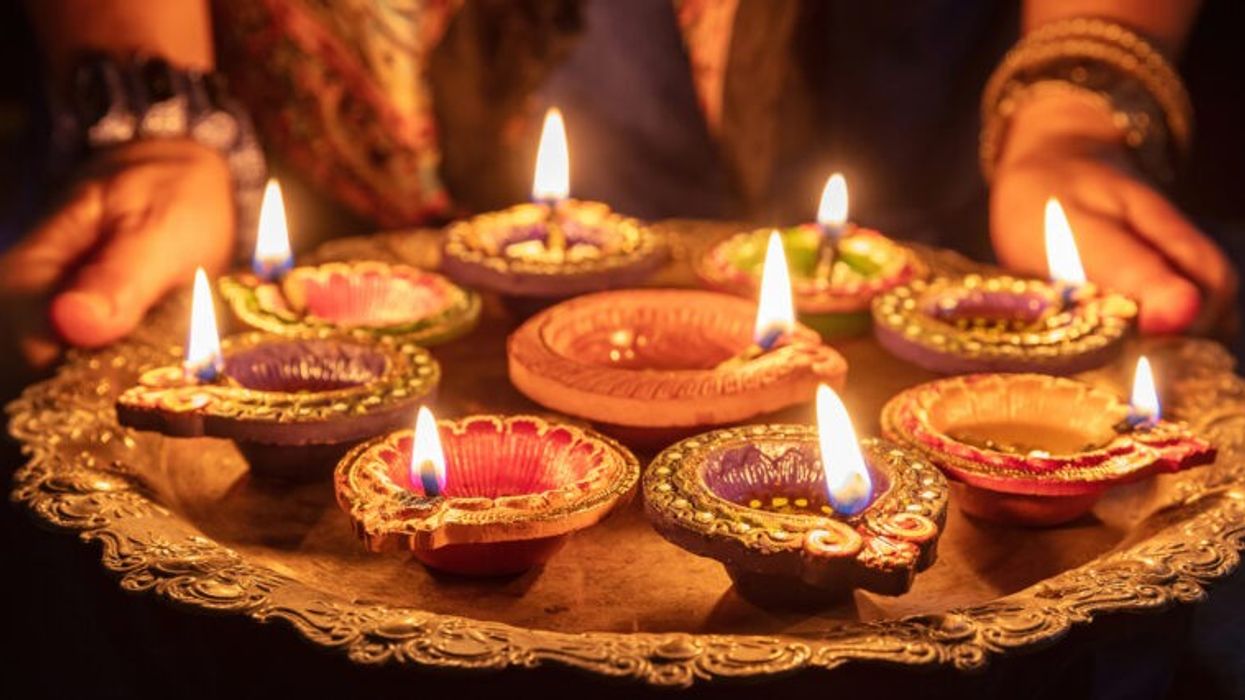

DIWALI, the festival of lights, was added to UNESCO's intangible cultural heritage list on Wednesday. The announcement led to celebrations in India.
UNESCO is meeting in New Delhi from Tuesday to Thursday to review dozens of nominations from 78 countries. The selected entries will be added to its cultural heritage list aimed at raising awareness about the diversity of traditions and ensuring their protection.
Prime Minister Narendra Modi welcomed the decision. He said the festival was "very closely linked to our culture and ethos". In a post on social media, he added: "It is the soul of our civilisation. It personifies illumination and righteousness," and said the move "will contribute to the festival's global popularity even further".
The Delhi government is holding events that include illumination of buildings, decorations across major roads and a large lamp-lighting ceremony.
Millions of people observe Diwali, also called Deepavali, making it one of Hinduism's most significant festivals. It is also marked by Sikh and Jain communities as a five-day festival symbolising the triumph of good over evil.
Diwali falls on the new moon day in late October or November and is marked by lighting of lamps and firecrackers. In much of north India, it is linked to the return of Lord Rama to Ayodhya after defeating the demon king Ravana. The festival is also associated with worship of Lakshmi, the goddess of wealth and prosperity.
India's foreign ministry called the addition of Diwali to the UNESCO list a "joyous moment" for the country.