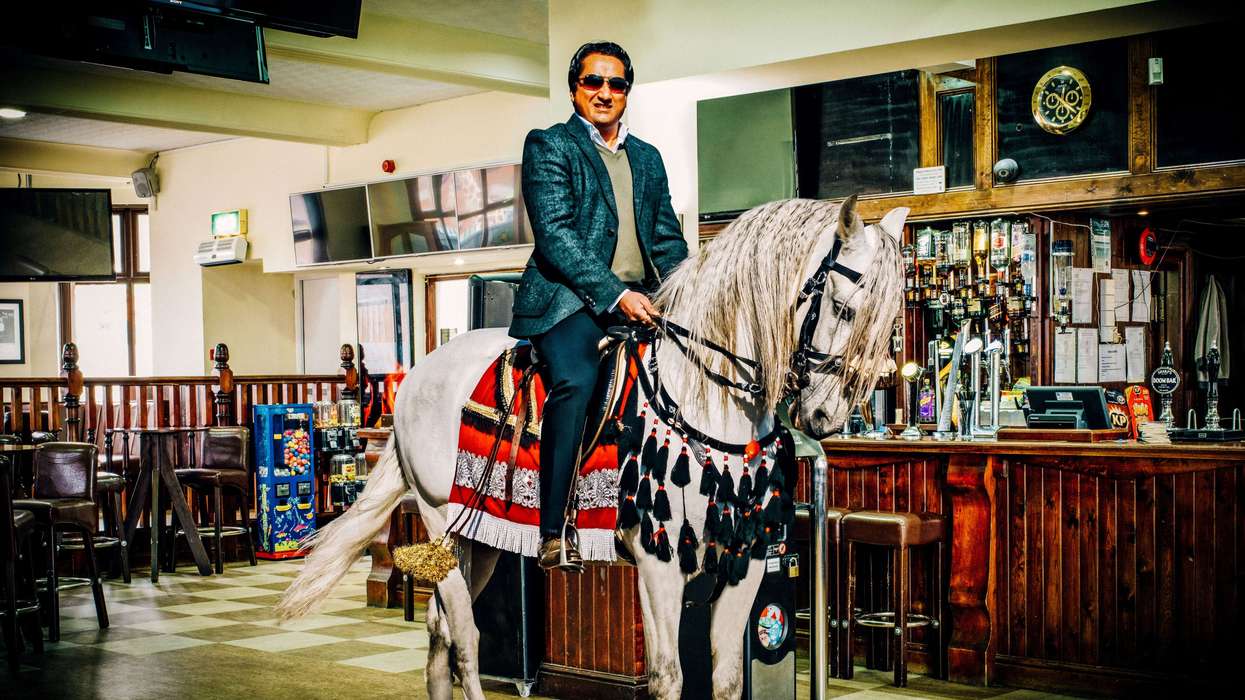

THE GREAT BRITISH PUB is an almost sacred institution for many people in this country. Not just a watering hole, but the backbone of British social life.
When asked to think of a pub, a lot of people might conjure images of cosy fires, dark wood tables and dart boards. Others, who are less keen, might think of peeling carpets and the smell of stale cigarette smoke.
In the Black Country there’s a different kind of pub. No less iconic, but with a different feel. With a long history, these pubs represent a chapter in British history that is recognised today as one of the most formative for the West Midlands.
Mixing east and west, ‘desi pubs’ were formed out of necessity. In the wake of the Second World War many workers migrated from south Asia to Britain to work in our factories, foundries and public services. Despite being invited here as citizens of the former British empire, many of these workers were barred from regular pubs across the Black Country due to racism. So Punjabi immigrants to Britain decided they would set up their own pubs.
At lunchtime, factory workers would pop into the local desi pub, where poured pints of Mild were being queued up on the bar. Workers were ready to down a pint (or two or three) before heading back. Some former factory workers talk of ‘work, pub, bed’ as a routine, often eating a hearty Punjabi dinner at the pub, before heading home after work.
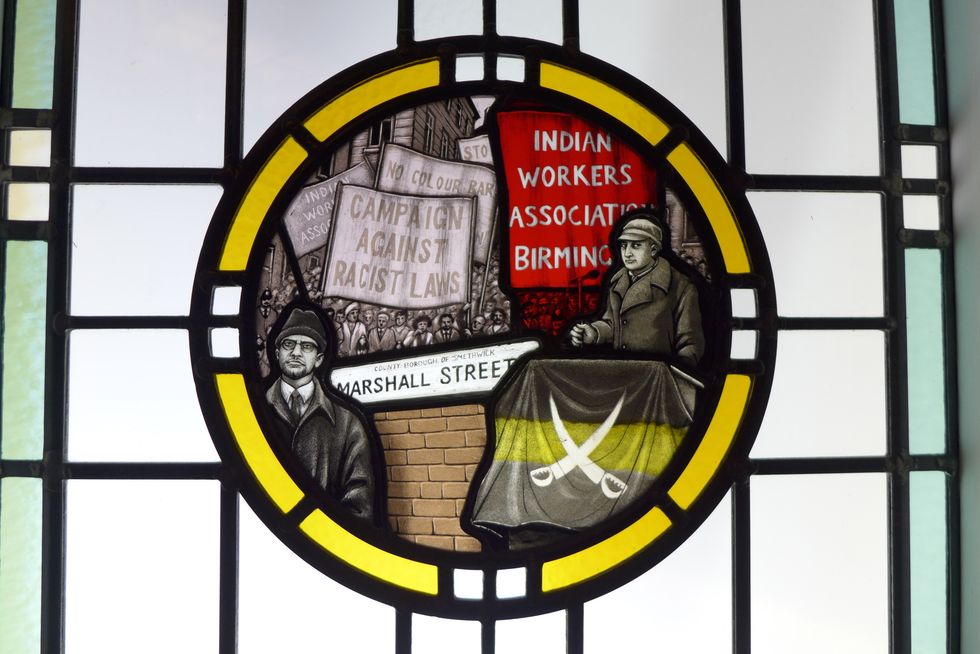 Stainedglass artwork reflecting the area’s migrant heritageKerry Ocoy/ Creative Black Co
Desi pubs tell the story of a community who came to Britain and who worked hard in the factories from dawn until dusk. The conditions in the factories were tough, the work was backbreaking, and this country did not recognise these workers’ contributions.
West Bromwich, the constituency I represent in parliament, is full of fabulous desi pubs. One of them, the Red Lion, partnered with Creative Black Country to install a set of beautiful stained-glass windows being that tell the story of Punjabi immigration to the area.
The first window shows young Indians on a train out of the countryside, searching for more opportunities elsewhere. The second shows the new arrivals working in the foundries and factories of the West Midlands. The third shows the community playing cards and drinking beer. And the fourth shows how minority communities fought back against racism – including forming the Indian Workers Association, who were so influential they hosted Malcolm X for a visit to Smethwick just days before his death.
In desi pubs now, the tensions and racism of the 1960s couldn’t feel more distant. And maybe this seems like a naïve statement given the increased levels of division, polarisation and racism that seems to dominate the newspapers these days. But I am genuinely proud that I can walk through the streets of West Bromwich and Oldbury and see such a diverse group of people, all living together in relative harmony.
I think this might be why the Black Country feels unique. During the riots of summer 2024, we were shielded from the far-right tension that sprung up and led to hate marches and thuggish violence by racist rioters across the country. And that’s why I love these desi pubs: because they truly offer a symbol of success when it comes to looking at Britain at its best and most diverse.
 Sarah CoombesEastern Eye
This mixing of traditions has been key to these pubs’ success. While the pub industry as a whole has faced challenging times and suffered closures at record levels, these desi pubs have gone from strength to strength. Restaurant reviewers such as Jay Rayner have been big advocates for the desi pub, but I still believe they are ridiculously under-rated. But perhaps that is symptomatic of Asian-owned businesses, especially outside London. Often their contribution to modern British culture is not valued or celebrated enough, as well as their creativity and ability to adapt or die in the face of economic circumstance. The blending of two huge success stories – the British pub and home-cooked Indian food – couldn’t fail to please.
This is how I feel whenever I walk into the Red Lion, the Vine, the Island Inn, the Sportsman, the Railway Inn or the myriad of other desi pubs in my area. The clientele is always mixed, it’s a social space, and the smell of paneer or chicken tikka is so mouthwatering that it’s impossible to resist. Desi pubs are traditional, but they are also a modern vision of British society and its future. They also offer an amazing solution to the age-old dilemma: shall we go for a curry or a pint? Well, why not both?
(The author is the MP for West Bromwich)

Anurag Bajpayee's Gradiant: The water company tackling a global crisis