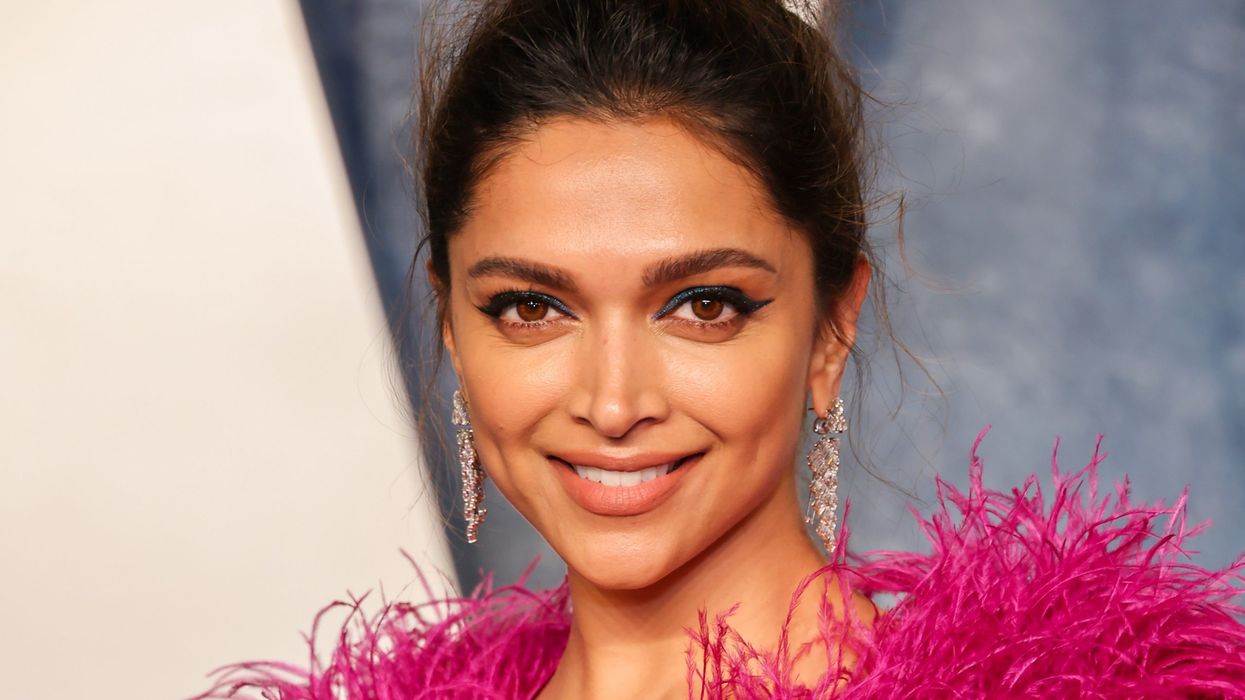

Hindi cinema star Deepika Padukone, the latest Indian personality to feature on the cover of the TIME magazine, says she doesn't feel anything about the "constant political backlash" she has faced in her over 15-year career.
In her cover interview with the US-based outlet, the actor briefly addressed being in the eye of the storm over Padmaavat for allegedly distorting historical facts, her solidarity with JNU students during the release of her maiden production Chhapaak, and more recently, dealing with allegations of hurting religious sentiments by wearing a "saffron" bikini as a Pakistani spy in Pathaan song "Besharam Rang".
According to the TIME magazine story, a "long pause" followed when Padukone was asked about the "constant political backlash". "I don't know if I'm supposed to feel something about it. But the truth is, I don't feel anything about it," the 37-year-old told the outlet.
She joins the long list of Indian names, including industry colleagues Shah Rukh Khan, Aishwarya Rai Bachchan, Aamir Khan, and Priyanka Chopra Jonas, who graced the cover of the TIME magazine.
In 2018, she was part of 'TIME magazine's 100 most influential people', alongside former Indian cricket captain Virat Kohli and Bhavish Aggarwal, the co-founder of cab aggregator Ola.
In the article titled 'Deepika Padukone Is Bringing the World to Bollywood' published on May 10, the actor said: "This is India's moment."
Earlier this year at the 95th Academy Awards, Padukone introduced "Naatu Naatu", the Best Original Song Oscar winner from SS Rajamouli's blockbuster RRR, as a "total banger".
The Denmark-born cinema personality served on the exclusive jury for the 75th Cannes Film Festival and she became the first Indian brand ambassador for international fashion labels such as Louis Vuitton and Cartier. She regularly makes waves during her appearances at fashion events like the Met Gala.
"Indian cinema has transcended borders and Indians are everywhere. So the fame goes wherever you go... I didn't have a game plan for how to get here, but I didn't see failure on my vision board," said Padukone, who started her career as a model in advertisements and music videos.
"This is India's moment. So how can I marry the best of the East and the West? There's the India with our roots, our heritage, our history, but there's also a new and young India that's emerging. It's these two Indias coming together that I find really fascinating at this moment," she added.
Even as India claimed twin wins at the 2023 Academy Awards -- the second for The Elephant Whisperers for Best Documentary Short Subject -- the actor said India itself is "beginning to realize that its movies are not just limited to Hindi films". "But I don't think we should be happy with one Oscar for a song and another for a documentary. I hope we can look at this as the beginning of an opportunity," she pointed out.
Last seen in Pathaan, Padukone is currently on a break from shooting Fighter, billed as India's first aerial-action film.