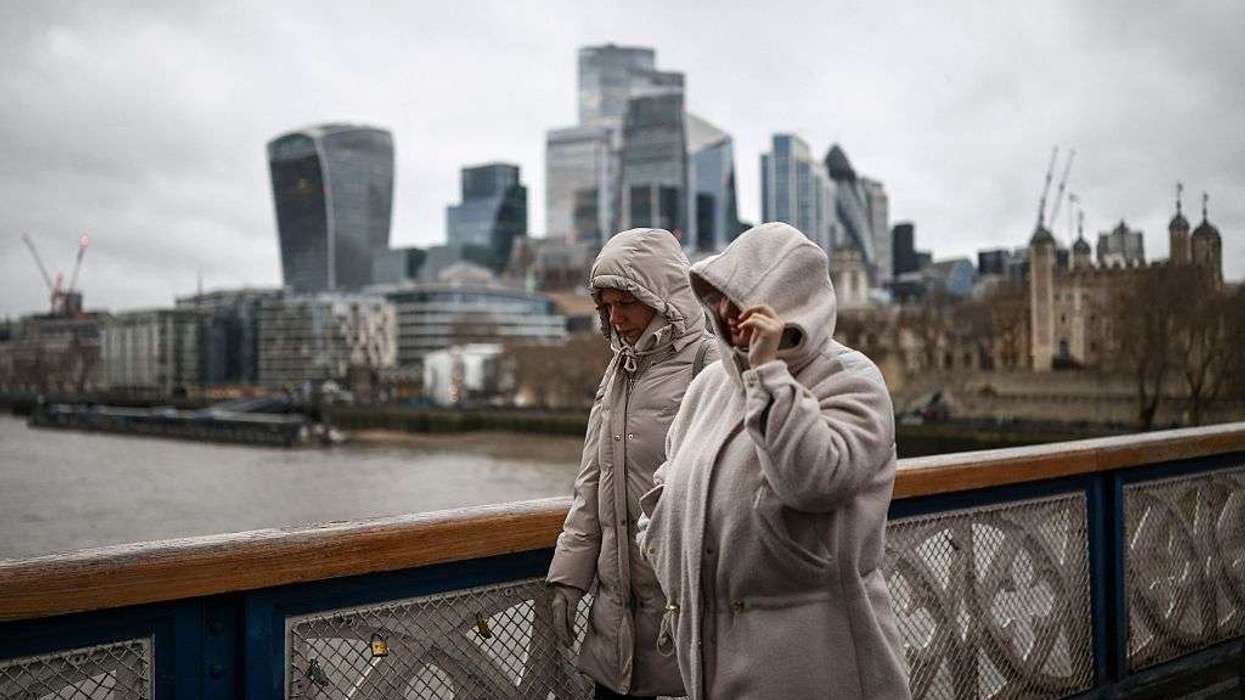

COLD WEATHER was linked to more than 2,500 deaths in England during the winter of 2024 to 2025, according to the first Cold Mortality Monitoring Report published on Wednesday (18) by the UK Health Security Agency (UKHSA).
The report identified 2,544 deaths linked to cold weather across three distinct cold episodes between November 2024 and January 2025. The most deadly was a six-day period in early January, which alone accounted for 1,630 deaths. Two shorter episodes in November and early January were associated with a further 421 and 493 deaths respectively.
Older people were found to be most at risk, with the danger rising steeply with age, particularly among those aged 85 and over. Men accounted for a greater share of deaths, with 1,439 cold-associated fatalities compared to 1,117 among women. Circulatory diseases were the leading cause, with 834 deaths linked to conditions such as heart disease.
Most deaths (975) occurred in hospital, though the report noted that the increase in risk during cold spells was proportionally greater for people in care homes and those who died at home.
The findings also revealed that the effects of cold weather on mortality are often delayed. Deaths tend to peak around five days after a cold episode and can remain elevated for up to nine days. Heart-related deaths typically rise several days after exposure to cold temperatures, while respiratory and infection-related deaths show even longer delays.
Dr Agostinho Sousa, head of extreme events and health protection at UKHSA, said the findings underlined the seriousness of the risk posed by cold weather.
"Cold weather remains a serious and preventable risk to public health," he said. "The findings suggest that even short periods of cold can lead to significant increases in mortality, often days or weeks after the temperature drops."
The report also raised concerns that people may be becoming more vulnerable to cold weather over time. When comparing recent winters with the previous five-year period, the data suggest that the risk of death increased more sharply as temperatures fall than was previously the case.
The health agency attributed this to a combination of factors including an ageing population and increasing burden of disease, though it cautions that further research over longer time periods will be needed to confirm whether the trend is sustained.
Those considered most at risk include people aged 65 and over, those with cardiovascular or respiratory conditions, people with dementia, and those living in poorly insulated homes or experiencing fuel poverty.
Dr Sousa said understanding who is most vulnerable was essential to targeting winter preparedness effectively. "Understanding who is most affected and how these risks are changing helps us better target winter preparedness, support vulnerable groups, and ensure that cold weather alerts reflect real health impacts, not just weather conditions."
UKHSA used daily death registration data alongside Met Office temperature records to estimate cold-related mortality, applying a statistical model to capture how risks build over several days following cold exposure.