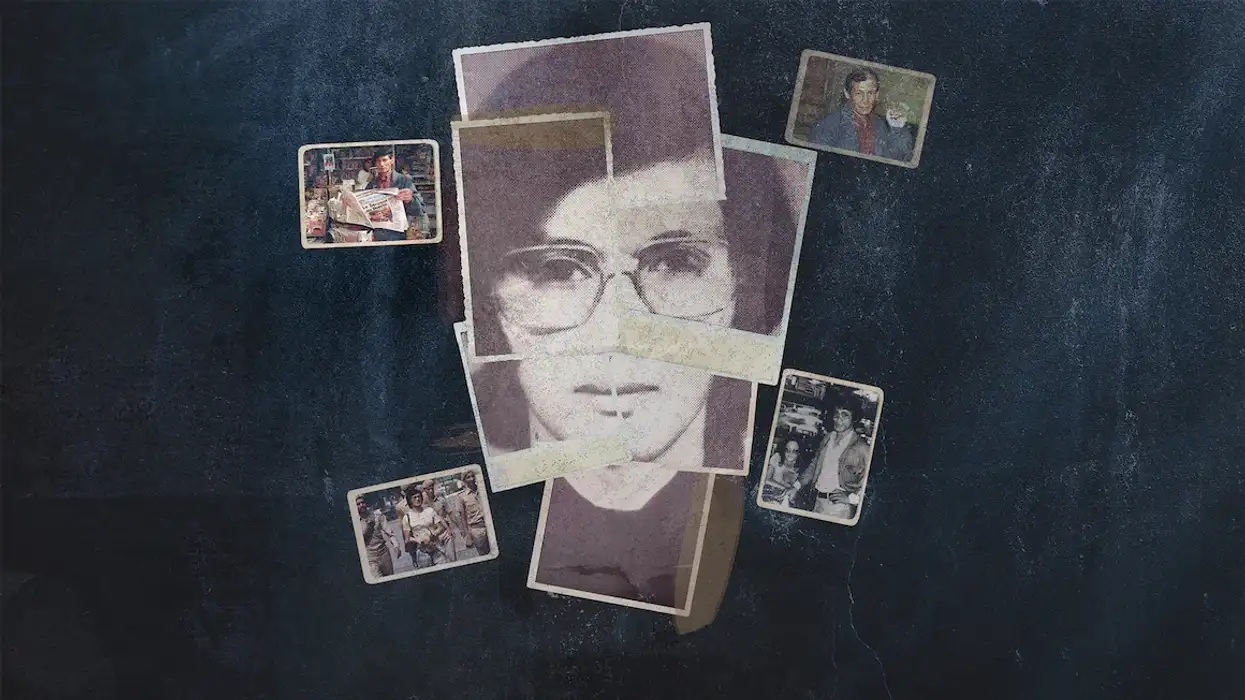

Charles Sobhraj, the cunning criminal dubbed The Real Serpent for his ability to evade capture, has captivated audiences with his chilling story.
The BBC drama series reintroduced his case, but tonight Channel 4 offers a new perspective - a documentary featuring Sobhraj himself.
Charles Sobhraj, also known as the Bikini Killer, the Splitting Killer, and the Serpent, was a cunning criminal who terrorised Southeast Asia in the 1970s. The experts believe he may have murdered at least 20 tourists.
Sobhraj, now 79, has spent nearly half his life behind bars. Recently released from a Nepalese prison after almost two decades, he agreed to be interviewed and challenged on the killings he's linked to. This three-part documentary dives into the mind of this complex criminal.
Sobhraj's life of crime began in his 20s. A French national born in Saigon (now Ho Chi Minh City, Vietnam), he drifted between France and Southeast Asia, committing petty crimes. He was imprisoned in Afghanistan for thefts targeting hippies, he escaped, leaving a trail of victims in his wake.
Early life
Sobhraj was born in Saigon (now Ho Chi Minh City) in Vietnam in 1944. His parents were never married, and he had a difficult childhood, moving back and forth between France and Southeast Asia. He started committing crimes as a teenager and was first jailed in France in 1963.
He married a French woman named Chantal Compagnon, and they travelled together through Asia, often robbing tourists they met along the way.
How and when did he end up to become a serial killer?
He was intelligent and manipulative. He used his charm and good looks to gain people's trust and then take advantage of them.
He and his accomplices drugged, robbed, and even murdered their victims, earning him the nickname "the Serpent" for his ability to evade capture. He enjoyed the notoriety and the media attention he received.
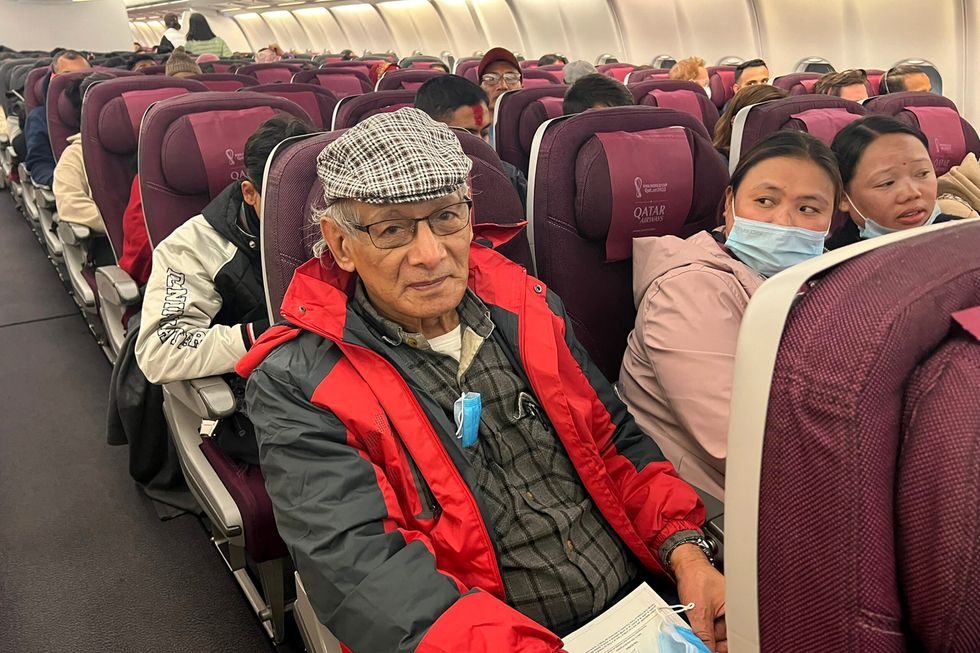 French serial killer Charles Sobhraj (Photo: Getty Images)
Later life
Sobhraj's criminal network grew in the 1970s, with accomplices like Marie-Andrée Leclerc and Ajay Chowdhury, he preyed on tourists along the hippie trail in South Asia. He used to drug, and then rob later murdering his victims, Sobhraj earned his sinister nickname.
Sobhraj was eventually arrested in India in 1976 and sentenced to prison. He escaped a decade later but was recaptured. In the 2000s, he was convicted in Nepal for murders he committed in the 1970s.
He was released in 1997, he returned to Nepal in 2003, where he was finally convicted for murders committed in the 1970s.
Sobhraj's life story has been the subject of books, documentaries, and even a television series. He remains a figure of fascination and revulsion, a reminder of the darkness that can lurk beneath a charming facade.
However, in a surprising turn of events, Sobhraj was released in December 2022 due to his age. He is now back in France, he remains a figure of fascination and revulsion. The upcoming documentary promises a deeper understanding of this notorious criminal and the crimes that continue to haunt him.