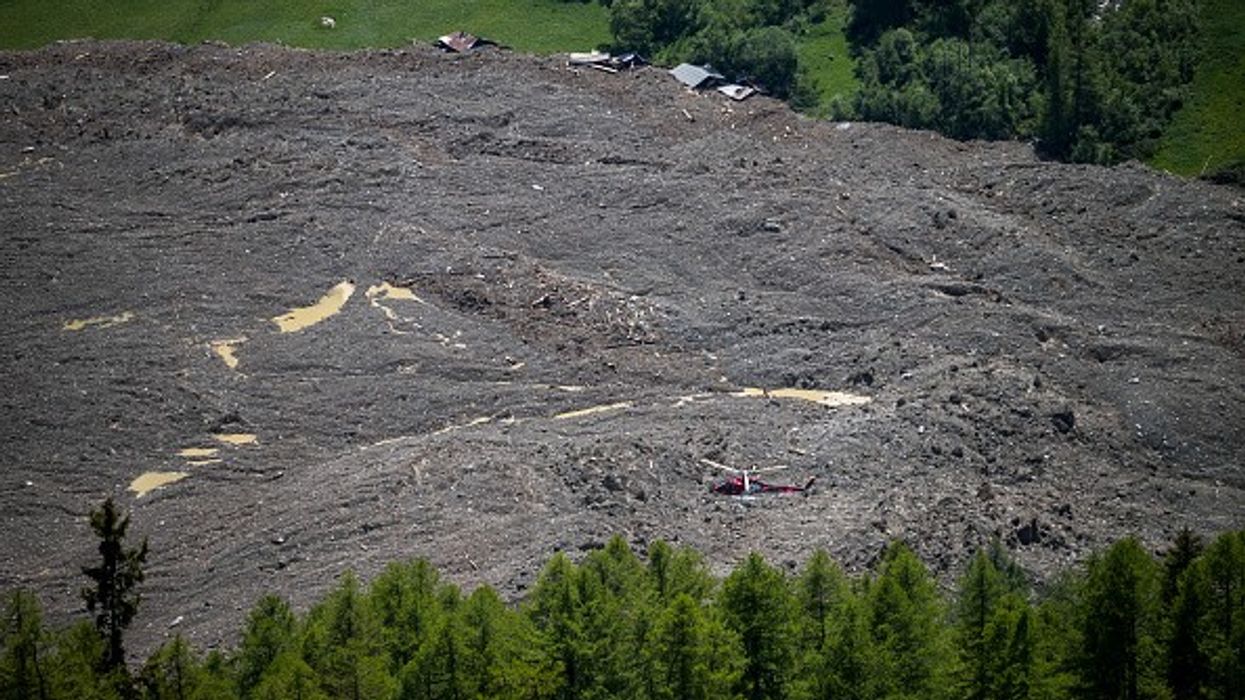

Switzerland’s village of Blatten was buried in ice, mud and rock on the evening of Wednesday during a fatal landslide.
Once a lush, green hamlet nestled in the Alps — known for its old wooden houses, historic buildings, and wandering cows and sheep — the village is now almost entirely buried. The landslide, which swept through 90 per cent of Blatten, has left the local community shattered.
How did Blatten end up in this tragedy?
Blatten sits below the Birch Glacier, which geologist Christophe Lambiel described as unique — it is the only glacier in the region that has been advancing over the past decade, while others have been retreating. A massive section of the glacier recently broke away and slid downhill, triggering the catastrophic landslide that nearly wiped out the village.
Around 300 residents and their livestock were evacuated in time, averting further tragedy. No deaths have been reported, though a 64-year-old man remains missing. Rescue teams and search dogs have been deployed, but the search has been suspended due to worsening weather conditions.
Experts believe this may only be the beginning. Geologists have warned of further hazards, including flooding, as the landslide debris — stretching across 2 km — is now obstructing the River Lonza. If the blockage causes the lake to overflow, downstream villages could be at risk.
"I don't want to talk just now. I lost everything yesterday. I hope you understand," said one middle-aged woman from Blatten, recalling the harrowing experience.
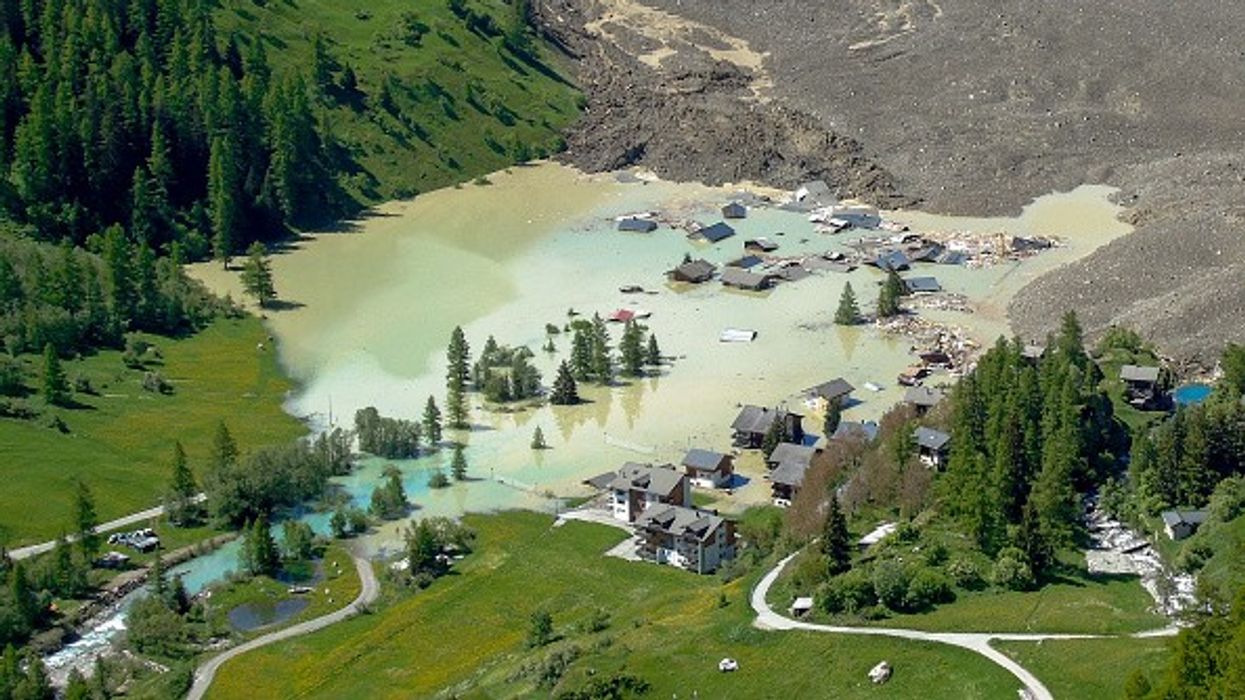 The beautiful village of Blatten in the Swiss AlpsGetty Images
The once-beautiful roads winding through the valley are now buried in mud. While residents remain calm, the looming threat of further flooding is a growing concern.
"The water from the River Lonza cannot flow down the valley because there is an enormous plug," said geologist Raphael Mayoraz, suggesting the risk of flooding in nearby areas. The river is now backed up with as much as one million cubic metres of water, worsened by accumulated landslide material.
"We’re not in a state to think about future shocks just yet," added Jonas Jeitziner, a local official.
“The unimaginable has happened,” said Matthias Bellwald, Mayor of Blatten. The tragedy is a stark reminder of the effects of rising temperatures on Alpine permafrost, which once held gravel and boulders in place. The Birch Glacier had shown visible cracks earlier this month, raising concerns long before the slide.
In 2022, Switzerland lost 6 per cent of its glacier volume, followed by a further 4 per cent in 2023.
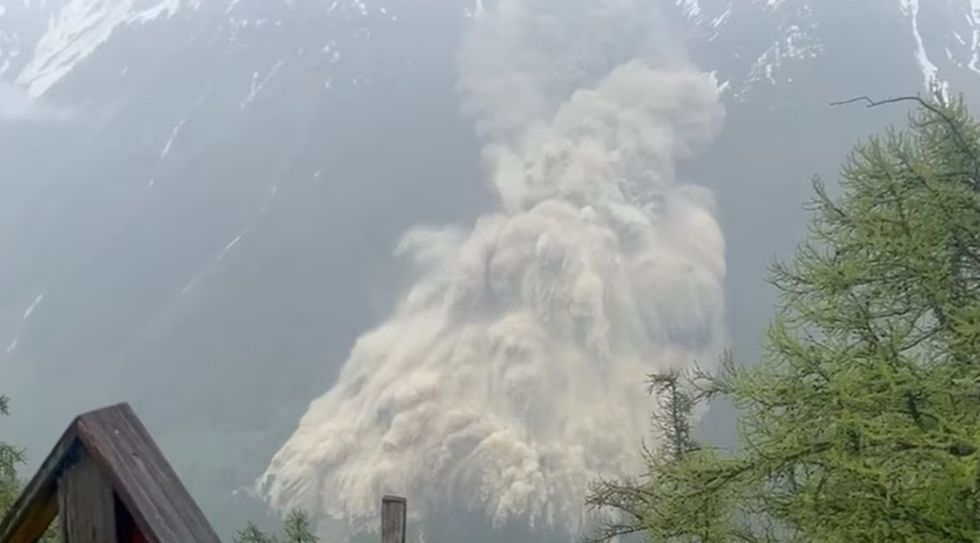 The landslide that buried almost half of Blatten villageReuters
Despite the destruction, the people of Blatten remain united. Locals, scientists and the army are working together to begin the long road to recovery.
Even in the face of such devastation, the spirit of Blatten remains strong. "We've lost the village, but not the heart,” said Mayor Bellwald. “The village is under the gravel, but we're going to get up. We are going to stand in solidarity and rebuild. Everything is possible."




 The September 11 Memorial and Museum stands on the site of the former World Trade Centre in New York, where the twin towers were destroyed in the 2001 attacks Spencer Platt/Getty Images