
Highlights
- UK unemployment rises to 5.1 per cent with 85,000 more young people jobless in three months.
- Entry-level roles in law, accountancy and administration most at risk from AI adoption.
- Bank chief says AI could drive next phase of UK economic growth despite job displacement concerns.
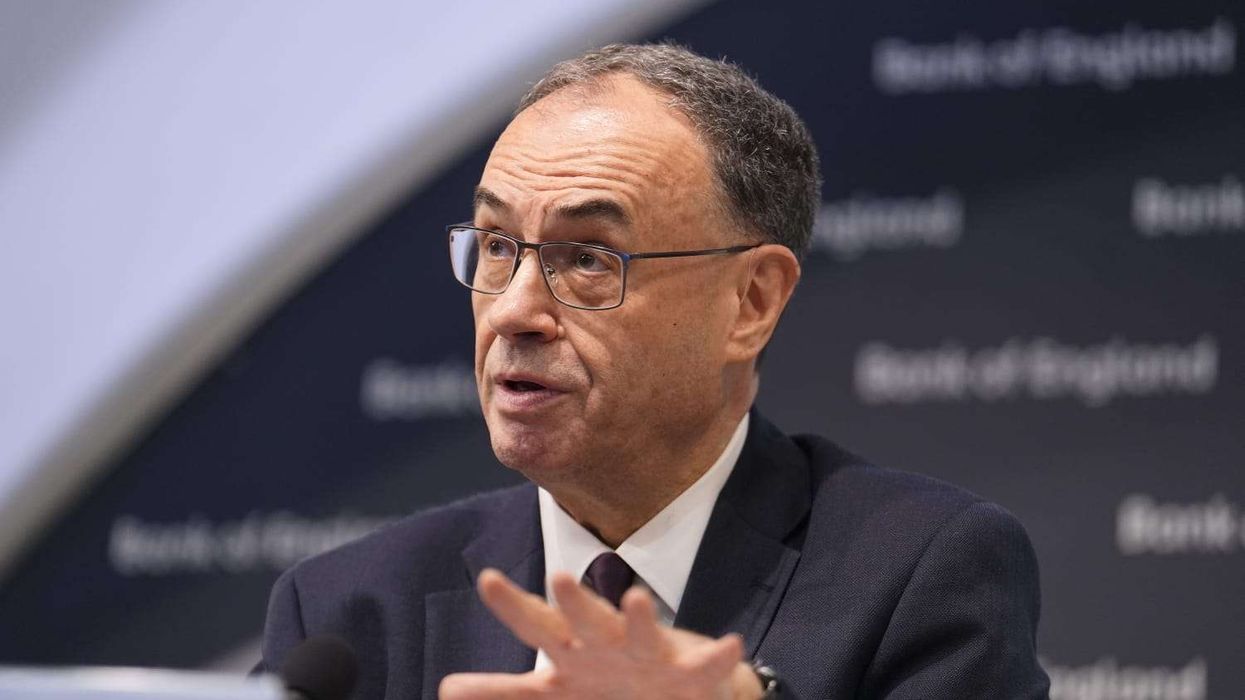
The widespread adoption of artificial intelligence will likely displace workers from their jobs in a manner similar to the Industrial Revolution, Bank of England governor Andrew Bailey has warned.
Speaking on BBC Radio 4's Today programme, Bailey stressed the urgent need for the UK to establish proper "training, education, and skills" to help workers transition into AI-enabled roles.
He said job seekers with AI skills would find securing employment "a lot easier" in the coming years.
However, the Bank chief expressed particular concern about younger, inexperienced professionals struggling to find entry-level positions due to AI's growing presence in workplaces.
"We do have to think about, what is it doing to the pipeline of people? Is it changing it or not?" Bailey questioned.
The warning comes as official figures show UK unemployment has risen to 5.1 per cent in the three months to October, with younger workers bearing the brunt.
The Office for National Statistics reported 85,000 more unemployed 18 to 24-year-olds during this period, the largest increase since November 2022.
Entry-level professional roles in sectors such as law, accountancy and administration are thought to be most vulnerable to AI disruption.
Mohamed Kande, global chairman of accountancy giant PwC, recently told the BBC his firm was scaling back hiring plans due to AI. "Now we have artificial intelligence. We want to hire, but I don't know if it's going to be the same level of people that we hire," Kande said.
Growth and risks
Bailey drew parallels with historical technological disruptions, noting that while the Industrial Revolution didn't cause mass unemployment, it did significantly displace workers.
"My guess would be that it's most likely that AI may well have a similar effect. So, we need to be prepared for that," he said.
Despite the challenges, Bailey identified AI as the "most likely source of the next leg up" for UK economic growth, citing its "substantial" potential to improve productivity.
However, he cautioned that mainstream adoption would take time, with institutions like the Bank of England still "experimenting" with the technology.
The governor also acknowledged growing concerns about an AI bubble, warning policymakers must closely monitor valuations to prevent a crash similar to the dotcom bubble.