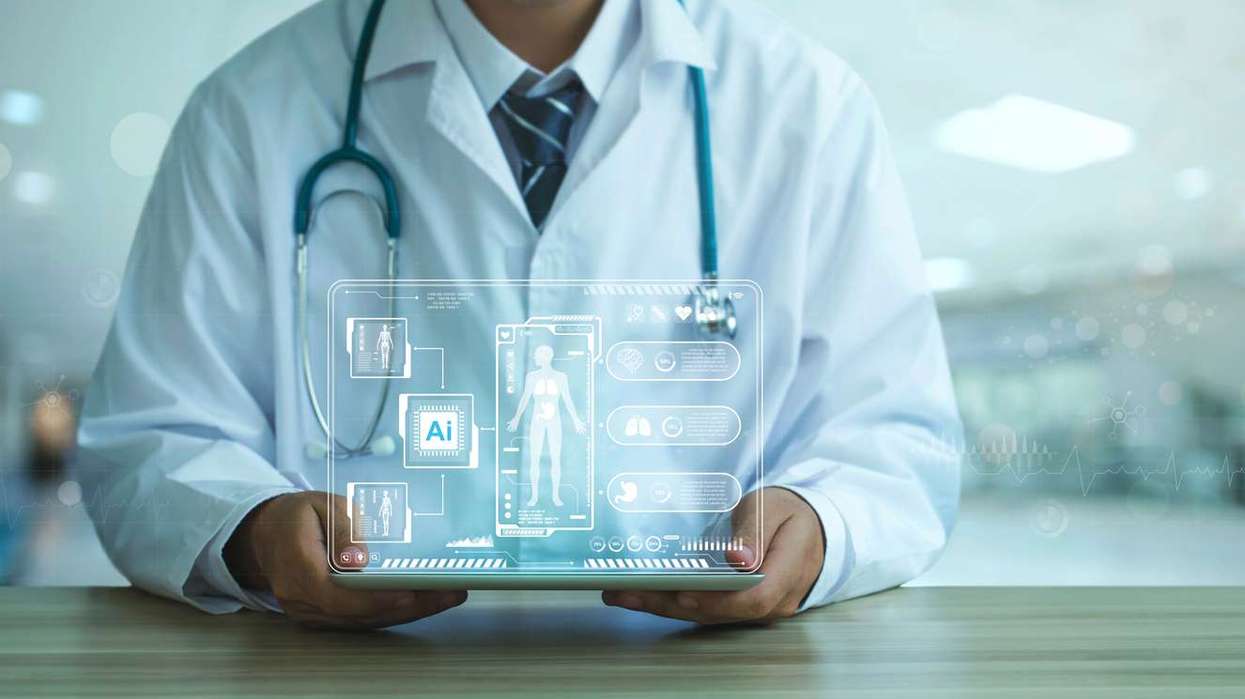

AI software development services are becoming the foundation of innovation in digital healthcare, driving a new era of intelligent, data-powered patient care. As artificial intelligence (AI) converges with modern healthcare technologies, specialized development teams are building secure, scalable, and compliant AI solutions that enhance diagnostics, streamline operations, and personalize treatment. By 2026, AI-driven healthcare ecosystems will redefine how providers deliver care and how patients experience it.
Why AI Software Development Services Are Powering Digital Healthcare
The rapid evolution of digital healthcare would not be possible without advanced AI software development services. Healthcare organizations are increasingly partnering with AI development experts to design custom solutions tailored to clinical, operational, and regulatory requirements.
With global investment in AI-powered healthcare technologies surpassing $20 billion in 2024, demand for robust, compliant, and interoperable AI systems continues to grow. By 2026, nearly 40% of healthcare processes are expected to rely on AI-driven applications from predictive diagnostics to automated administrative workflows. Behind each of these innovations lies sophisticated AI architecture, secure cloud integration, and scalable data engineering.
Core AI Development Solutions Transforming Healthcare
Predictive Analytics for Patient Outcomes
AI software development services enable the creation of predictive analytics platforms that process vast volumes of medical records and real-time patient data. These systems identify risk factors, detect early disease markers, and forecast potential complications. As a result, providers can shift from reactive treatment to preventive care, reducing hospital readmissions and improving long-term outcomes.
AI-Powered Diagnostics and Imaging
Custom-built AI imaging solutions enhance radiology, pathology, and cardiology workflows. Advanced machine learning models analyze scans with remarkable speed and precision, assisting clinicians in identifying cancer, cardiovascular diseases, and neurological disorders earlier than ever. AI development teams ensure these systems integrate seamlessly with hospital imaging infrastructure and comply with healthcare regulations.
Virtual Health Assistants and Intelligent Chatbots
AI-powered chatbots and virtual assistants developed through specialized AI software development services provide 24/7 patient engagement. These tools manage appointment scheduling, symptom checking, medication reminders, and follow-up communication. By automating routine interactions, healthcare organizations reduce administrative strain while improving patient accessibility.
Drug Discovery and Personalized Medicine
AI development solutions are accelerating pharmaceutical innovation. By leveraging deep learning models, healthcare software engineers build platforms that analyze molecular data, simulate clinical outcomes, and shorten drug discovery cycles. At the same time, AI-driven personalized medicine platforms tailor treatment plans based on genetic data, lifestyle patterns, and medical history.
Operational Efficiency and Workflow Automation
Beyond clinical applications, AI software development services are transforming hospital operations. Intelligent automation systems optimize electronic health record (EHR) management, billing processes, staffing models, and supply chain logistics. These improvements lower operational costs and allow healthcare professionals to focus more on direct patient care.
Building Connected AI-Driven Healthcare Ecosystems
The true power of AI emerges when systems are interconnected. Through expert AI software development services, healthcare organizations integrate AI models with telemedicine platforms, wearable devices, IoT sensors, and cloud-based health systems.
Wearables continuously collect patient vitals, telehealth platforms enable remote consultations, and AI engines analyze aggregated data to provide actionable insights. This integrated ecosystem ensures continuity of care, strengthens collaboration between providers and insurers, and empowers patients to take an active role in managing their health.
Challenges and Ethical Considerations in AI Development
Despite its transformative potential, implementing AI in healthcare requires careful oversight. AI software development services must prioritize:
- Data privacy and secure handling of sensitive patient records
- Algorithm transparency and bias mitigation
- Compliance with evolving global healthcare regulations (HIPAA, GDPR, etc.)
- Explainable AI models that support clinician trust
Responsible AI development ensures innovation does not compromise ethical standards or patient safety.
The Future of AI Software Development in Healthcare
The future of digital healthcare will be shaped by advanced AI software development services that deliver scalable, secure, and intelligent platforms. As healthcare systems confront rising costs, workforce shortages, and growing patient expectations, AI will move from experimental pilots to mission-critical infrastructure.
Key trends shaping the next phase include:
- Personalized and preventive care driven by predictive AI models
- Expanded AI integration in telemedicine and hybrid care delivery
- Seamless interoperability with wearables and IoT health devices
- Enhanced cybersecurity frameworks for patient data protection
- Global scalability of AI-powered healthcare platforms
AI will not replace clinicians, it will augment their expertise with real-time insights and decision support.
Conclusion
By 2026, AI software development services will form the backbone of digital healthcare transformation. From early disease detection and personalized treatments to operational automation and global telehealth expansion, AI-powered solutions will fundamentally improve the quality, accessibility, and efficiency of care.
Through strategic development, ethical implementation, and patient-centered design, AI software development services will redefine modern medicine delivering smarter healthcare solutions for millions worldwide.
This article is paid content. It has been reviewed and edited by the Eastern Eye editorial team to meet our content standards.