
- Zudio becomes the first Indian apparel brand to cross £790 million ($1 billion) in revenue.
- Growth is being driven largely by tier-2 and tier-3 towns.
- Consumers appear to be shifting spending from local shops to organised retail chains.
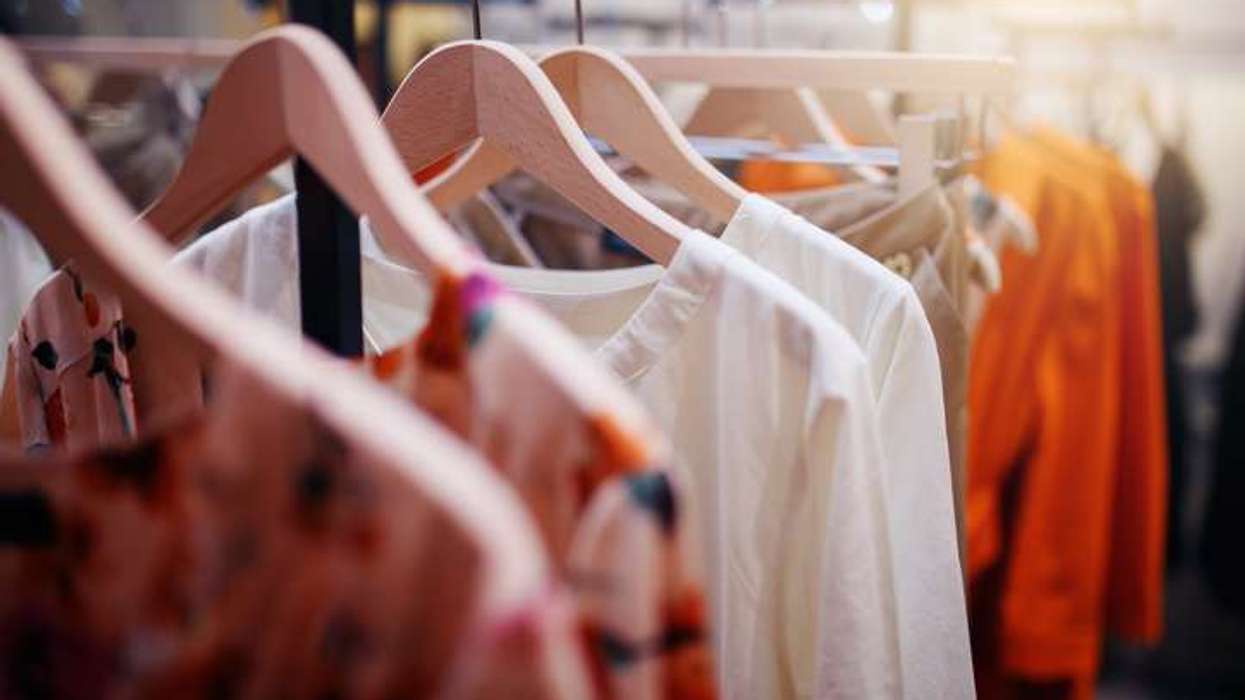
India’s fast-fashion market appears to be entering a new phase, with Zudio crossing the £790 million ($1 billion) revenue mark and becoming the first Indian clothing brand to hit that milestone. The development highlights how the country’s organised budget fashion sector is expanding rapidly, driven largely by demand beyond major cities.
The surge also reflects a broader shift in India’s apparel market, where shoppers are increasingly turning to branded chains offering low prices and a more structured retail experience. Analysts often describe this as a “wallet shift”, where spending moves away from local independent stores towards organised retailers, reshaping the competitive landscape.
Zudio’s growth has been particularly striking. In 2018, the brand had just seven stores nationwide and revenue of roughly £9.5 million ($12 million). By mid-2025, its network had expanded to about 765 outlets, with sales crossing £790 million ($1 billion). Over the same period, its sister brand Westside grew more steadily, doubling store numbers and tripling revenue, though at a far slower pace.
Small towns take centre stage
The rise of budget fashion brands appears closely linked to demand from India’s tier-2 and tier-3 towns, where a growing middle class is seeking affordable yet trendy clothing. In many stores, most items are priced between about £3 ($4) and £11 ($15), bringing branded fashion closer to traditional bazaar price levels while offering air-conditioned spaces, organised displays and trial rooms.
At a Reliance Trends outlet in Sangli in western India, shoppers browse racks filled with everything from ethnic wear to casual clothing and accessories. For some customers, the appeal lies not just in price but in the experience of shopping in a modern retail environment, something that may feel new compared with years of buying from street markets.
Retail analysts suggest the shift is less about people spending significantly more and more about where they choose to spend. As incomes gradually rise, branded clothing and organised retail appear to be becoming a more common part of everyday consumption, particularly among younger shoppers.
Speed, scale and shifting habits
Another factor behind the rapid expansion is speed. Zudio reportedly rotates inventory in about 15 days, compared with roughly 45 to 60 days for many competitors, helping keep shelves stocked with fresh designs and encouraging repeat visits. Analysts say quicker turnaround often translates into higher sales conversion and stronger customer engagement.
India’s overall apparel market is estimated to be worth between £55 billion ($70 billion) and £79 billion ($100 billion), yet per-capita spending on clothing remains lower than in countries such as China or the US. Even in stronger years, growth has stayed below 10 per cent, compared with expectations of 12 to 15 per cent, suggesting there is still room for expansion if consumption rises.
The rapid growth of organised fashion chains has also intensified competition for traditional small retailers, while online platforms offering low-cost products are adding further pressure. At the same time, the environmental impact of fast fashion is becoming a growing concern, with textile waste forming a significant share of municipal waste and only a small proportion recycled into new garments.
For now, though, the rise of brands like Zudio, Trends, Max and others appear to underline a clear shift in how Indians shop for clothing, with affordability, convenience and trend-driven designs reshaping the country’s retail landscape.