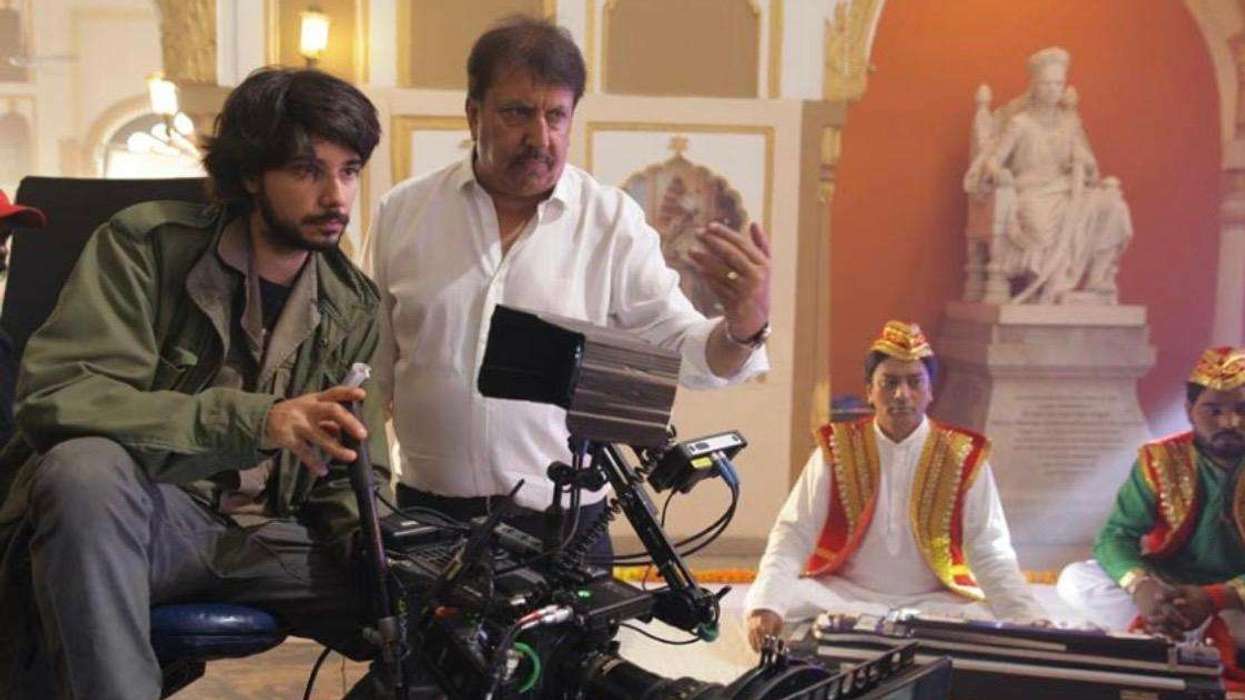

After decades as one of the UK’s most influential organisers of large-scale south Asian concerts, Vijay Bhola has taken a bold creative leap into cinema with Mr Paanwala. The film is available worldwide on YouTube from Saturday (3). Known for bringing major stars like Shreya Ghoshal, Arijit Singh, Vishal-Shekhar, Sonu Nigam, Sunidhi Chauhan, Shaan, Adnan Sami, Pankaj Udhas and Salim–Sulaiman to packed arenas, Bhola is now focused on something more intimate: storytelling that resonates across generations.
“I’ve spent years creating moments for tens of thousands of people at a time,” Bhola reflects. “But with film, I wanted to create something that sits with people—something they can take home, reflect on, and even see their own lives in.”
Bhola’s transition from live entertainment to directing might seem unexpected, but for him, it was a natural evolution.
“When you’re producing concerts, you’re constantly thinking about emotion — how to lift a crowd, how to create memories,” he explains. “Cinema is no different, except the emotion is quieter, more personal. I reached a point where I wanted to tell a story that wasn’t just spectacular, but meaningful.”
That desire led to Mr Paanwala, a film that deliberately moves away from the high-octane formulas dominating much of modern Bollywood.
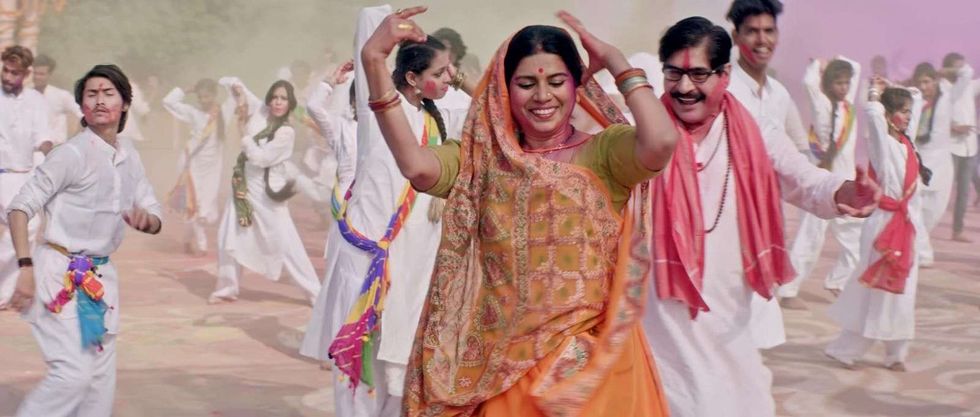 A scene from Mr Paanwala RockOn Music
“I wasn’t interested in making noise,” he says. “I wanted to make something honest. Something the older generation could watch and feel seen — but also something younger audiences could learn from.”
At the heart of the film is a demographic Bhola feels has been largely ignored. “There’s a whole audience — older viewers —who feel cinema has left them behind,” he says. “Their stories are rich with emotion, sacrifice, and love, but we don’t see them enough on screen anymore. I wanted to change that.”
At the same time, Bhola was keenly aware that the film needed to speak across generations.
“Younger viewers might come in thinking it’s not ‘for them,’ but if they give it a chance, they’ll walk away understanding their parents a little better. That’s powerful.”
For Bhola, getting the right cast was non-negotiable. He credits much of the film’s emotional depth to its lead performances from Mita Vashisht and Yashpal Sharma.
“They are extraordinary,” he says without hesitation. “There’s a truth in their performances that you simply can’t manufacture. They don’t ‘act’ — they live the characters. Every glance, every silence, it all feels real.”
He adds, “When you have actors of that calibre, your job as a director becomes about creating the space for them to shine. I trusted them completely.”
Given his background in music and live shows, it’s no surprise that the soundtrack plays a vital role in Mr Paanwala.
“For me, music isn’t an add-on—it’s storytelling,” Bhola explains. “I wanted a full range: love songs, a wedding song, a Holi celebration, and something deeply emotional. That’s the tradition I grew up with, and I think audiences still crave it.”
He smiles, adding, “There’s a nostalgia to those songs. They remind you of a different time, but they still connect.”
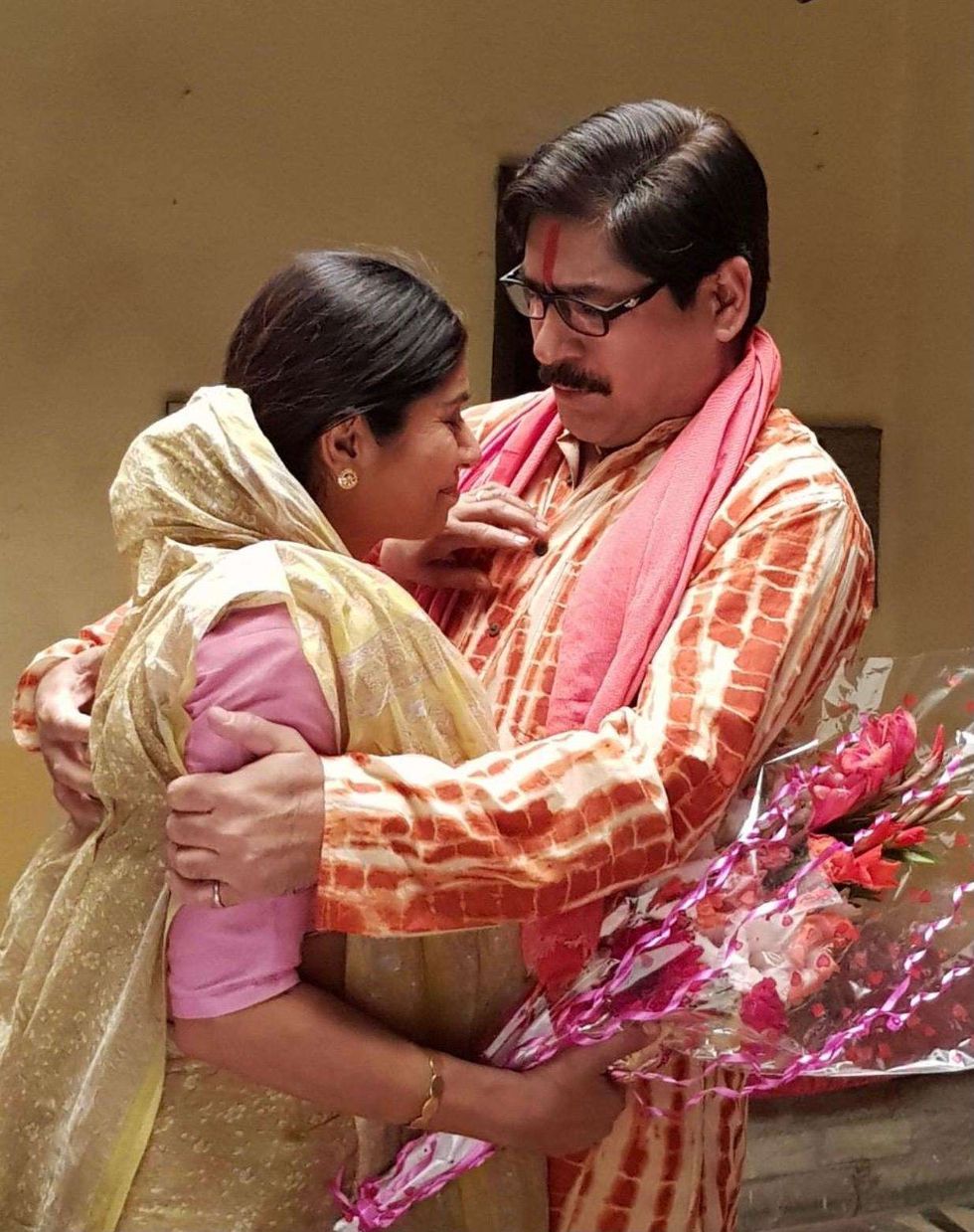 A scene from the movieRockOn Music
Set in Lucknow, the film leans heavily into the city’s cultural identity. “Lucknow has a grace, a tehzeeb, that’s very special,” Bhola says. “It was important for me to capture that — not just visually, but in the way people speak, behave, and connect with each other.”
He continues, “The paan stall isn’t just a setting—it’s symbolic. It represents tradition, continuity, and community. Losing that would mean losing a part of cultural identity.”
With global conversations around immigration more charged than ever, Bhola wanted to explore a perspective often overlooked: the families left behind. “We hear a lot about those who leave, chasing dreams,” he says. “But we don’t talk enough about the parents who stay behind—their loneliness, their hopes, their sacrifices.”
He pauses before adding, “This film is for them. It’s about understanding that migration isn’t just a physical journey—it’s an emotional one for everyone involved.”
At its core, Bhola sees Mr Paanwala as a story about family.
“Values are changing, and that’s natural,” he says. “But somewhere along the way, we’ve started taking our parents’ sacrifices for granted. This film gently reminds us to pause and reflect.”
He’s quick to clarify that the film isn’t about judgment.
“It’s not about saying one way of life is right and another is wrong. It’s about empathy. About seeing each other more clearly.”
A creatively fulfilling journey
For Bhola, stepping into directing has been deeply rewarding.
“I won’t lie — it was challenging,” he admits. “But it was also the most creatively fulfilling thing I’ve done. With concerts, the moment is fleeting. With film, it lives on.”
He adds, “This is just the beginning for me. I’ve discovered a new way to express myself.”
In an unusual move, Mr Paanwala will be released on YouTube globally on April 3 — a decision Bhola feels strongly about. “I made this film for the audience,” he says. “Not for gatekeepers, not for exclusivity. I want it to reach as many people as possible—across countries, across generations.”
He continues, “There are families all over the world who will see themselves in this story. Why limit that?”
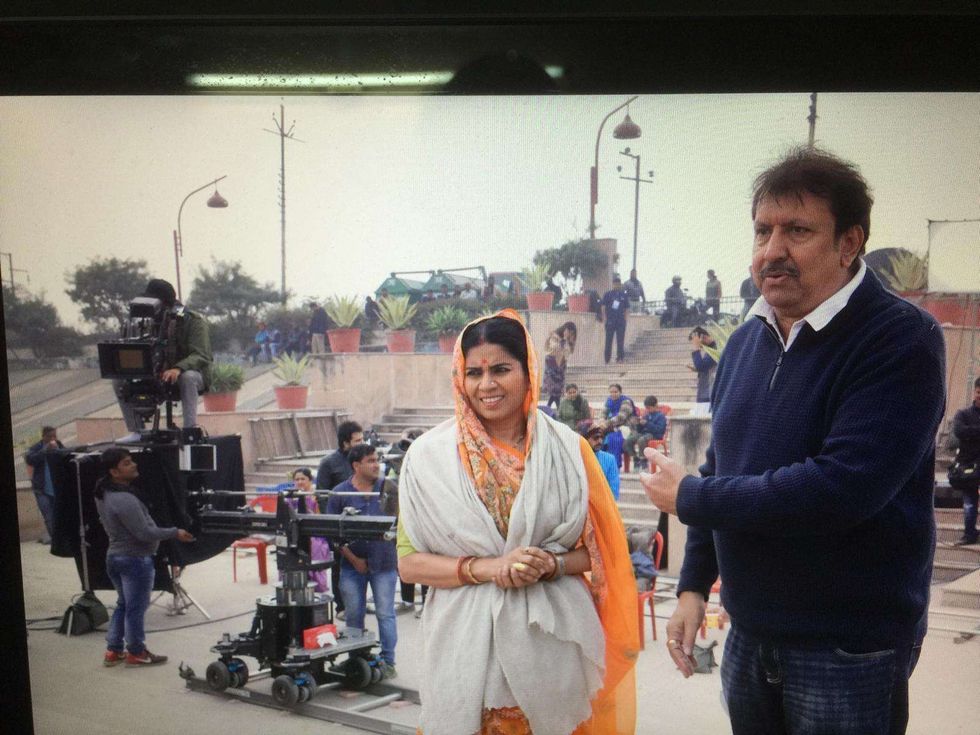 Bhola on the sets of the movie RockOn Music
Looking ahead
As he embarks on this new chapter, Bhola remains grounded in his purpose. “If even a handful of people watch this film and pick up the phone to call their parents, I’ve done my job,” he says.
And after years of filling arenas with sound and spectacle, he’s now chasing something quieter—but perhaps far more lasting. “Cinema has given me a different kind of stage,” Bhola reflects. “And this time, it’s not about the size of the crowd in an arena—it’s about the depth of the connection.”