
Highlights
- US State Department officials preparing to help Hamit Coskun if he loses High Court case on Tuesday.
- Coskun's conviction was overturned at Southwark Crown Court in October before CPS launched appeal.
- Case adds to growing tensions over online safety and free speech laws.
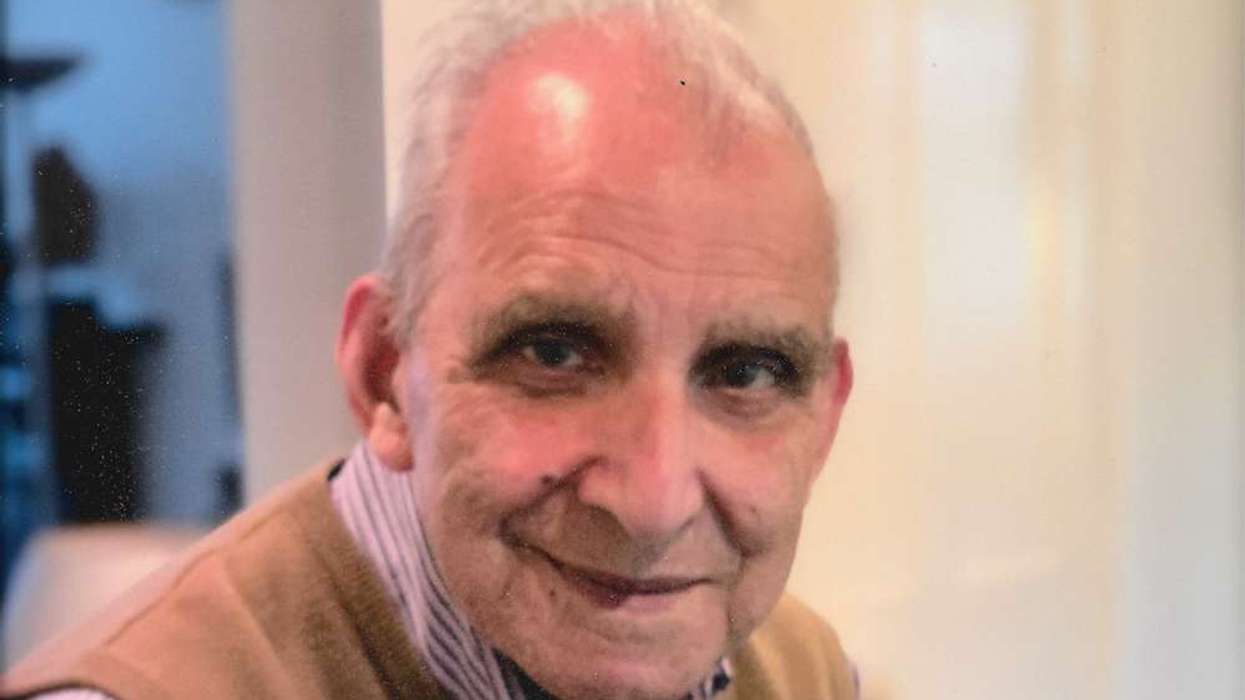
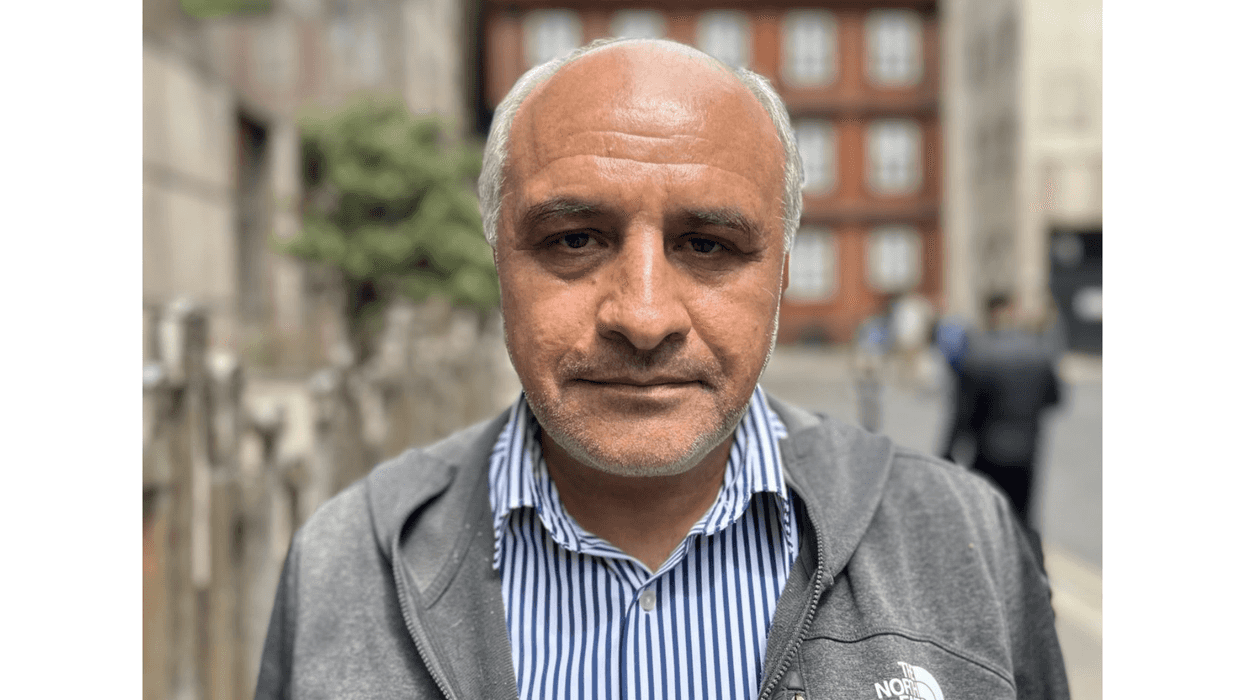
State Department officials are preparing to assist Hamit Coskun, 51, should he lose Tuesday's High Court hearing, according to reports. A senior US administration official confirmed his case was "one of several cases the administration has made note of."
Coskun, who sought asylum in the UK from Turkey, was originally convicted of a religiously aggravated public order offence and fined £240 after burning a copy of the Quran outside the Turkish consulate in Knightsbridge in February 2025.
During the incident, a passer-by attacked him. That conviction was overturned at Southwark Crown Court in October, with Justice Bennathan ruling that freedom of expression "must include the right to express views that offend, shock or disturb."
Legal battle continues
The CPS is now contesting the acquittal at the High Court. The National Secular Society and the Free Speech Union, both supporting Coskun, have argued that the original prosecution effectively amounted to a blasphemy charge - an offence abolished in the UK 18 years ago.
A National Secular Society spokesman told The Telegraph "The criminal law cannot be used to enforce religious orthodoxy. If this appeal succeeds, extremists will be handed a veto over free speech and the power to determine the limits of lawful expression."
Coskun, currently living in a safe house for his own protection, said he may seek protection in the United States if he loses the case. He said he came to Britain believing he would be free to protest but found "speech is no longer free."
US-UK diplomatic row
The case has attracted attention in US and sparked debate in London over free speech vice president JD Vance declared last February that free speech in Britain was "in retreat" at the Munich Security Conference.
Tensions have further escalated since Britain's Online Safety Act came into force, with the White House viewing the legislation as unfairly targeting American technology companies.
The law exposes social media giants to fines of up to £18 m or 10 per cent of annual revenue for failing to remove harmful content.
Trump has previously set precedent by granting refugee status to white South Africans claiming racial discrimination, while earlier this month an under-secretary of state confirmed Britons prosecuted over their speech may apply for refugee protection in America.