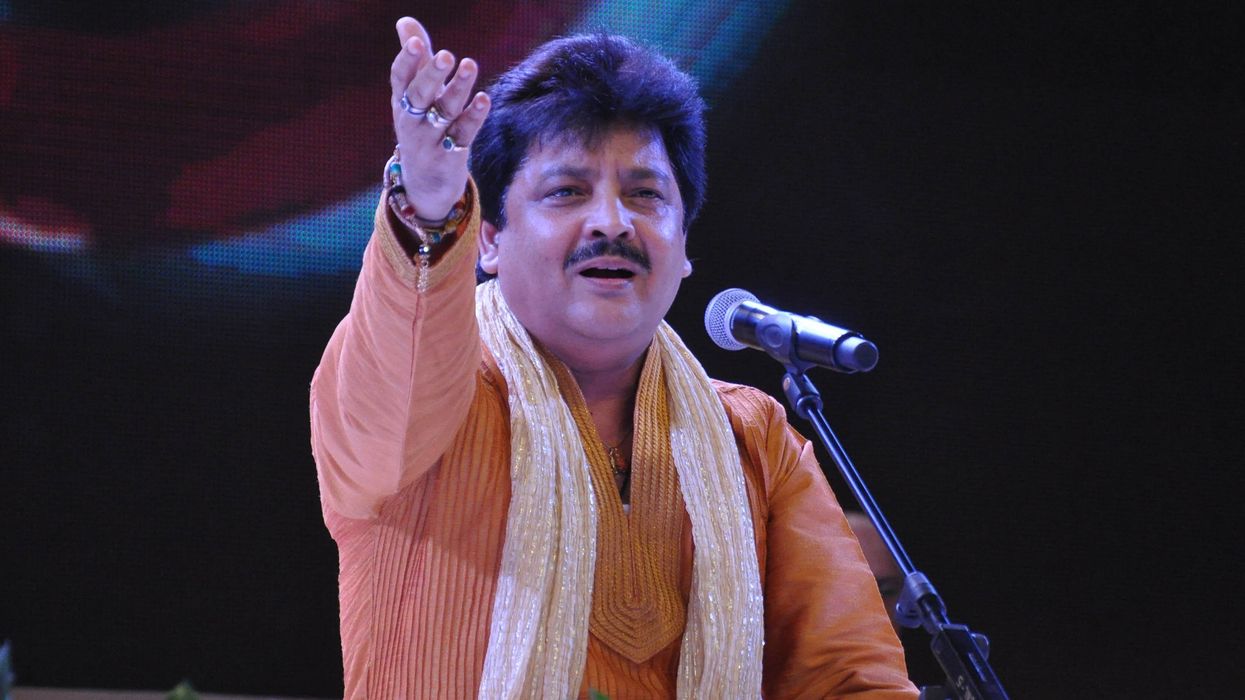

Veteran playback singer Udit Narayan is facing severe backlash after a video of him kissing a female fan on the lips during a live concert went viral. The clip, which shows Narayan performing his hit song Tip Tip Barsa Paani, has sparked outrage, with many calling his actions inappropriate and non-consensual. As the controversy gained traction, old videos of the singer kissing other female celebrities, including Alka Yagnik and Shreya Ghoshal, resurfaced, further fuelling the debate.
In the viral video, Udit Narayan is seen interacting with fans during his performance. While most exchanges appear harmless, one moment stands out when a female fan leans in to kiss him on the cheek, but Narayan turns his head and kisses her on the lips instead. The fan’s shocked reaction has drawn widespread criticism, with many accusing the singer of crossing boundaries.
Social media users quickly dug up past instances of similar behaviour. One clip shows Narayan kissing Alka Yagnik on the cheek during an Indian Idol episode, leaving her visibly uncomfortable as she steps away. Another video captures him kissing Shreya Ghoshal on the cheek at an awards ceremony, with Shreya appearing surprised before awkwardly smiling. These clips have reignited discussions about the importance of consent and professionalism in the entertainment industry.
Udit Narayan, however, has defended his actions, calling them as acts of “pure affection.” In an interview with Hindustan Times, he said, “Fans are crazy. We are decent people, but some show their love this way. Why make a big deal out of it?” He further added, “My heart is pure. If people see something dirty in my actions, I feel sorry for them.”
Despite his explanation, the internet remains divided. While some fans have come to his defence, others have expressed disgust, calling his behaviour “unacceptable” and “disrespectful.” Comments like “Alka looked displeased. Stop this harassment, Udit!” and “Shreya clearly felt uncomfortable but laughed it off” have flooded social media platforms.
- YouTubeyoutu.be
Adding to the discourse, singer Abhijeet Bhattacharya defended Narayan, stating, “Udit is a superstar. Women chase him. He didn’t pull anyone close; they came to him.” However, this justification has done little to quell the criticism. The controversy has also raised questions about the timing of the video’s release, as the concert reportedly took place months ago. Narayan speculated that there might be “mischief mongers” behind the sudden viral attention, vowing that their attempts to tarnish his reputation would only make him rise higher.
As the debate continues, the incident has sparked a larger conversation about boundaries, consent, and the responsibility of public figures. While Narayan remains unapologetic, the backlash serves as a reminder that even acts of “affection” must respect personal space and consent.