
Highlights
- Uber and Lyft seeking regulatory approval to trial Baidu's driverless taxis in London from 2026.
- Transport Secretary backs self-driving vehicles as nearly 60 per cent of Britons express discomfort with robotaxis.
- Baidu's Apollo Go service already operates in dozens of cities across China with millions of rides completed.
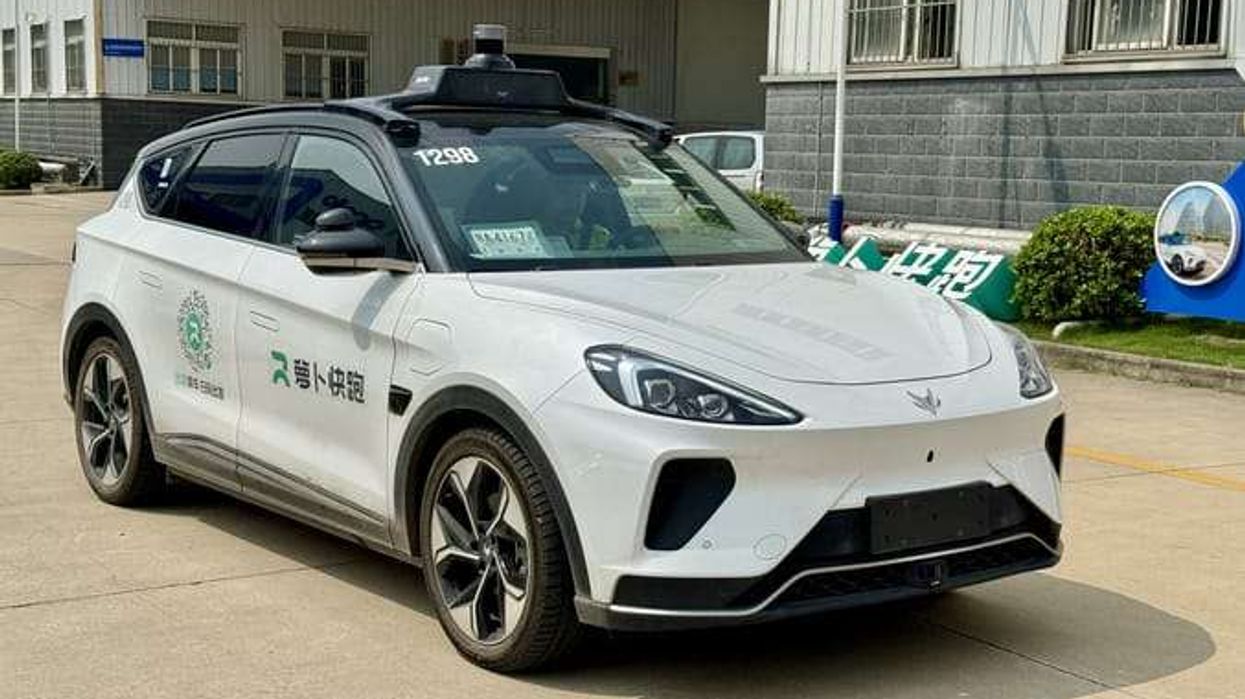
Chinese-made autonomous taxis could begin operating on London's streets as early as 2026, following announcements by ride-sharing giants Uber and Lyft of partnerships with Chinese technology firm Baidu to trial driverless vehicles in the UK capital.
Both companies are seeking regulatory approval to test Baidu's Apollo Go robotaxis, which already operate in dozens of cities, predominantly in China, and have accumulated millions of journeys without human drivers.
Transport secretary Heidi Alexander welcomed the development as "another vote of confidence in our plans for self-driving vehicles," stating in a post on X "We're planning for self-driving cars to carry passengers for the first time from spring, under our pilot scheme harnessing this technology safely and responsibly to transform travel."
Uber announced plans in June to bring forward its UK driverless car trials as the government accelerated its framework to permit pilots of small autonomous commercial services resembling buses and taxis in 2026.
"We're excited to accelerate Britain's leadership in the future of mobility, bringing another safe and reliable travel option to Londoners next year," the company said regarding its Baidu partnership on Monday.
Lyft revealed in August its intention to deploy driverless taxis in the UK and Germany through a European agreement with Baidu. The company already operates autonomous rides in Atlanta, while Uber runs a robotaxi service in partnership with Waymo in the same city.
Lyft chief executive David Risher stated in a post on X that London passengers would be "the first in the region to experience Baidu's Apollo Go vehicles." If approved, Lyft's initial fleet of dozens of Apollo Go vehicles would begin testing next year "with plans to scale to hundreds from there."
Safety concerns raised
A YouGov poll in October found nearly 60 per cent of UK respondents would not feel comfortable riding in a driverless taxi under any circumstances, while 85 per cent said they would choose a human-driven cab if offered the same price and convenience.
Professor Jack Stilgoe of University College London cautioned that driverless cars "can't just scale up like other digital technologies," noting a substantial difference between test vehicles and a fully developed transport system.
Concerns persist about safety incidents, including autonomous vehicles trapping passengers and causing congestion, with Waymo reportedly suspending its San Francisco service on Saturday during a power cut.