
Skip to content
Search

Latest Stories

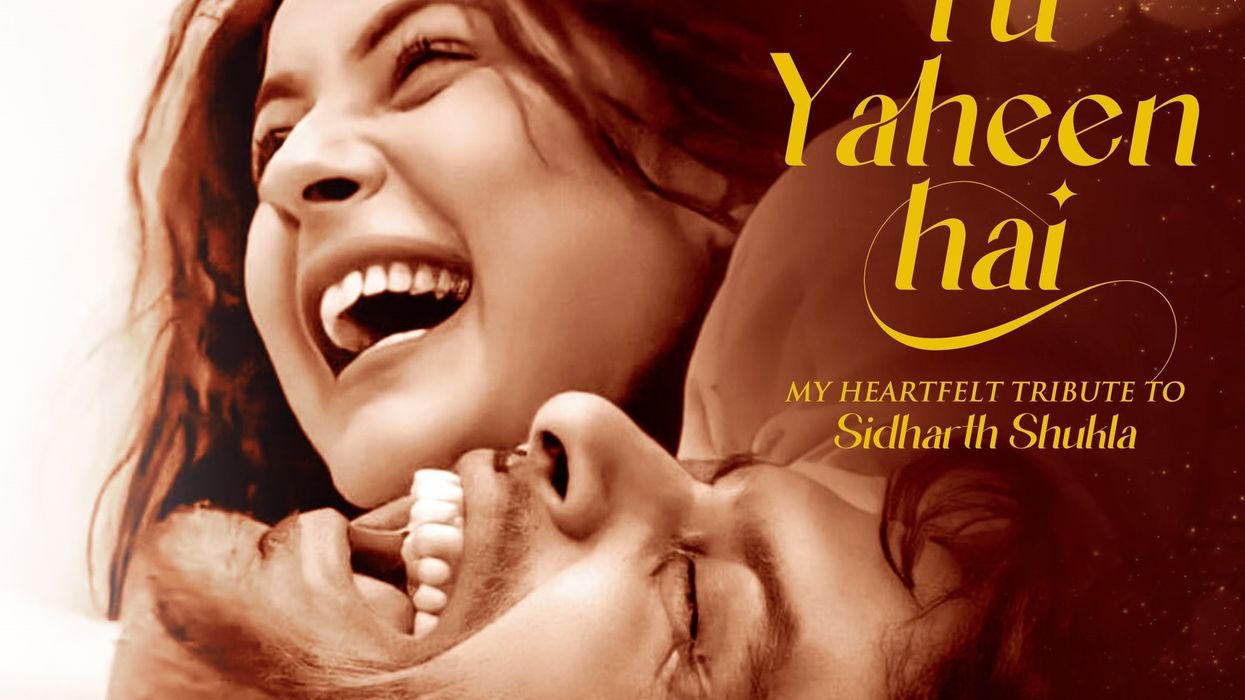
Tu Yaheen Hai: Shehnaaz Gill gives an emotional tribute to Sidharth Shukla

Tu Yaheen Hai: Shehnaaz Gill gives an emotional tribute to Sidharth Shukla

Shehnaaz Gill and late Sidharth Shukla were the contestants in Bigg Boss season 13. In the show, they were very close to each other, and even after the season ended, both featured together in many songs and made appearances on reality shows. Reportedly, the two were even dating each other.

When Shukla passed away (2nd September 2021), there were videos on social media where we could see Gill crying uncontrollably. Now, nearly after two months of the actor’s demise, Gill has released a song as a tribute to Shukla titled Tu Yaheen Hai.


On Thursday (28), she shared a poster of the song and on Friday (29), the song was released. The track is composed and written by Raj Ranjodh and sung by Gill.

It’s a heart-touching song, and the video will surely get some tears in your eyes. The track features Gill and a few clips from Bigg Boss are shown in it. Tu Yaheen Hai is a perfect emotional tribute to Shukla.

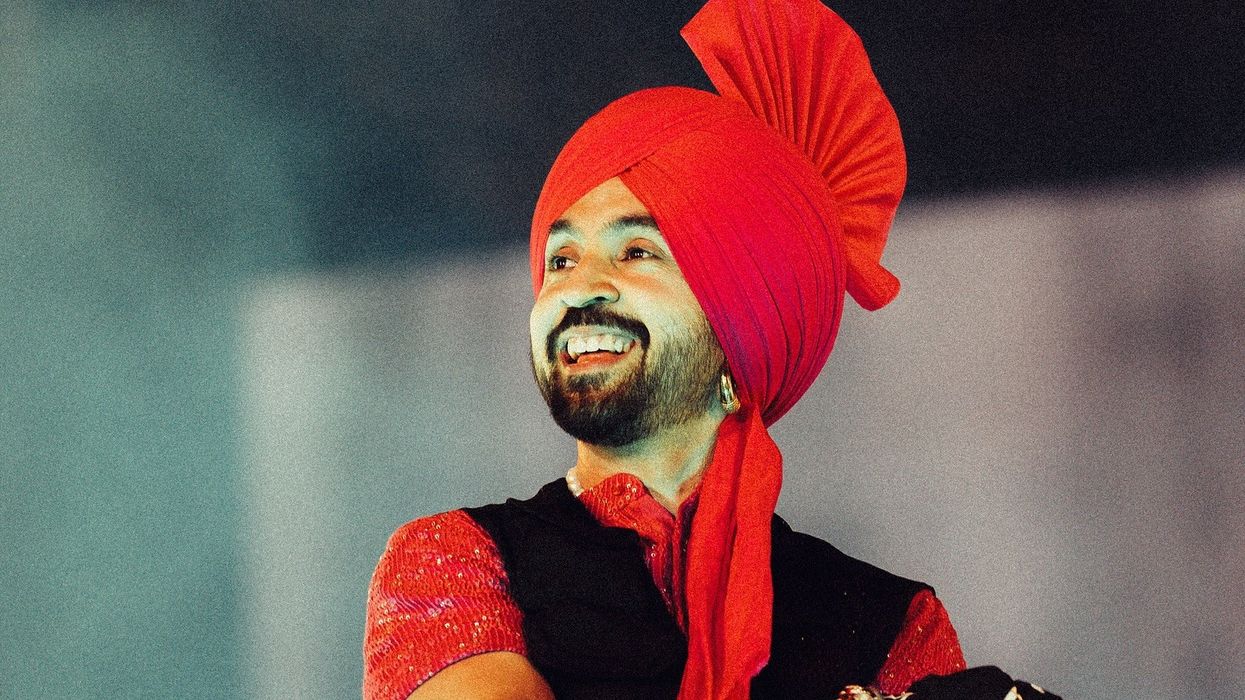
Apart from being a singer, Gill is also an actress and was recently seen in the Punjabi film Honsla Rakh which has received a great response at the box office. After Shukla’s demise, Gill had not made any public appearance, but earlier this month, she stepped out to promote the film with Diljit Dosanjh and Sonam Bajwa.

More For You

Samir Zaidi

Two Sinners marks Samir Zaidi’s striking directorial debut

Samir Zaidi, director of 'Two Sinners', emerges as a powerful new voice in Indian film

Indian cinema has a long tradition of discovering new storytellers in unexpected places, and one recent voice that has attracted quiet, steady attention is Samir Zaidi. His debut short film Two Sinners has been travelling across international festivals, earning strong praise for its emotional depth and moral complexity. But what makes Zaidi’s trajectory especially compelling is how organically it has unfolded — grounded not in film school training, but in lived observation, patient apprenticeships and a deep belief in the poetry of everyday life.

Zaidi’s relationship with creativity began well before he ever stepped onto a set. “As a child, I was fascinated by small, fleeting things — the way people spoke, the silences between arguments, the patterns of light on the walls,” he reflects. He didn’t yet have the vocabulary for what he was absorbing, but the instinct was already in place. At 13, he turned to poetry, sensing that the act of shaping emotions into words offered a kind of clarity he couldn’t find elsewhere. “I realised creativity wasn’t something external I had to chase; it was a way of processing the world,” he says. “Whether it was writing or filmmaking, it came from the same impulse: to make sense of what I didn’t fully understand.”

Keep ReadingShow less