
Skip to content
Search

Latest Stories

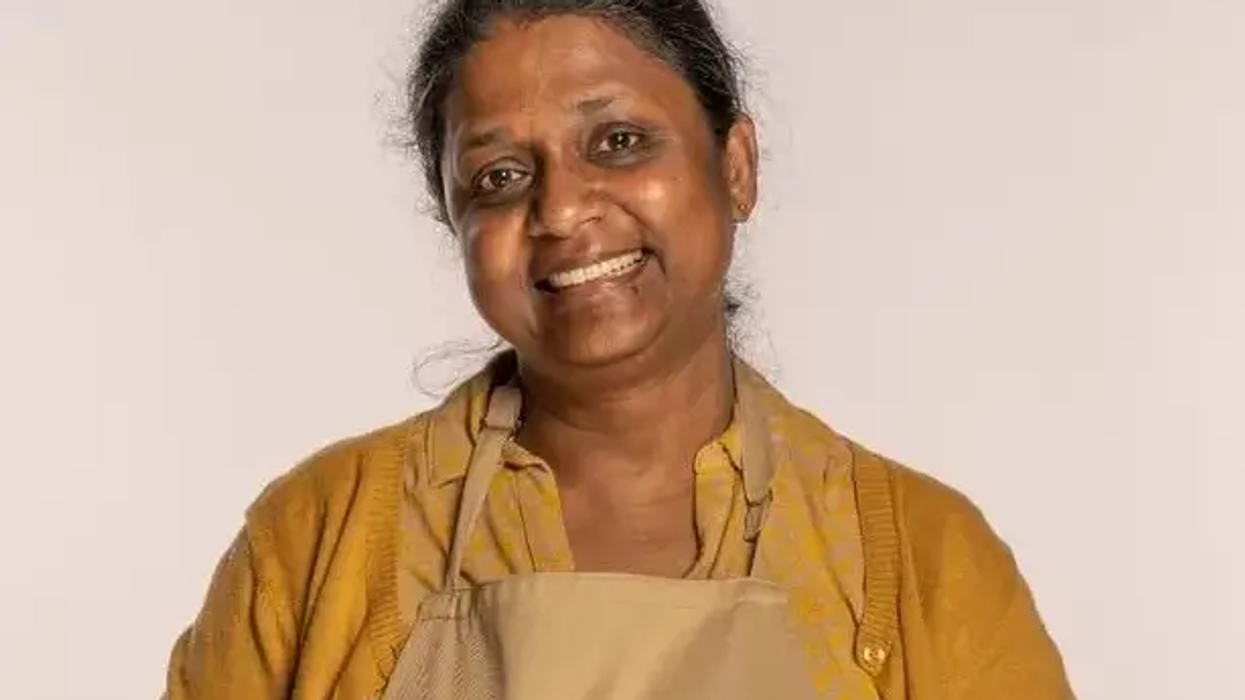
‘The Great British Bake Off’: Saku Chandrasekara survives elimination

The hit Channel 4 show, which is usually shown at 8 pm on a Tuesday night, was instead aired on Wednesday to accommodate the England versus Italy football match.

‘The Great British Bake Off’: Saku Chandrasekara survives elimination

The Great British Bake Off participant Saku Chandrasekara is safe. The 50-year-old intelligence analyst, who works for Herefordshire Council, was in danger of leaving the show after struggling during chocolate week.

She survived as judges Paul Hollywood and Prue Leith decided that no one would face elimination this week because fellow contestant Tasha fell ill midway through the episode and needed medical attention.


The hit Channel 4 show, which is usually shown at 8 pm on a Tuesday night, was instead aired on Wednesday to accommodate the England versus Italy football match.

That is because Channel 4 holds the broadcasting rights for the Three Lions' European qualifiers.

Last week, Mrs Chandrasekara won the technical challenge in bread week as she impressed Judge Paul Hollywood with her Devonshire split bun with jam and cream inside.

"The bun itself was excellent, you've got a nice tension in there and the flavour in the mouth was good," he said.

"I think you did really well."

Mrs Chandrasekara was born in Sri Lanka and places the traditional flavours of her heritage at the heart of her baking. This includes the curry spices, which she claims make for the best pie fillings, while liberal sprinklings of cinnamon, cardamom, and nutmeg find their way into her sweeter bakes.

At her family home in the South Asian country, Mrs Chandrasekara didn’t have an oven until she was 18, so she turned to baking only when she moved with her husband to the UK in 2003.


More For You

Samir Zaidi

Two Sinners marks Samir Zaidi’s striking directorial debut

Samir Zaidi, director of 'Two Sinners', emerges as a powerful new voice in Indian film

Indian cinema has a long tradition of discovering new storytellers in unexpected places, and one recent voice that has attracted quiet, steady attention is Samir Zaidi. His debut short film Two Sinners has been travelling across international festivals, earning strong praise for its emotional depth and moral complexity. But what makes Zaidi’s trajectory especially compelling is how organically it has unfolded — grounded not in film school training, but in lived observation, patient apprenticeships and a deep belief in the poetry of everyday life.

Zaidi’s relationship with creativity began well before he ever stepped onto a set. “As a child, I was fascinated by small, fleeting things — the way people spoke, the silences between arguments, the patterns of light on the walls,” he reflects. He didn’t yet have the vocabulary for what he was absorbing, but the instinct was already in place. At 13, he turned to poetry, sensing that the act of shaping emotions into words offered a kind of clarity he couldn’t find elsewhere. “I realised creativity wasn’t something external I had to chase; it was a way of processing the world,” he says. “Whether it was writing or filmmaking, it came from the same impulse: to make sense of what I didn’t fully understand.”

Keep ReadingShow less