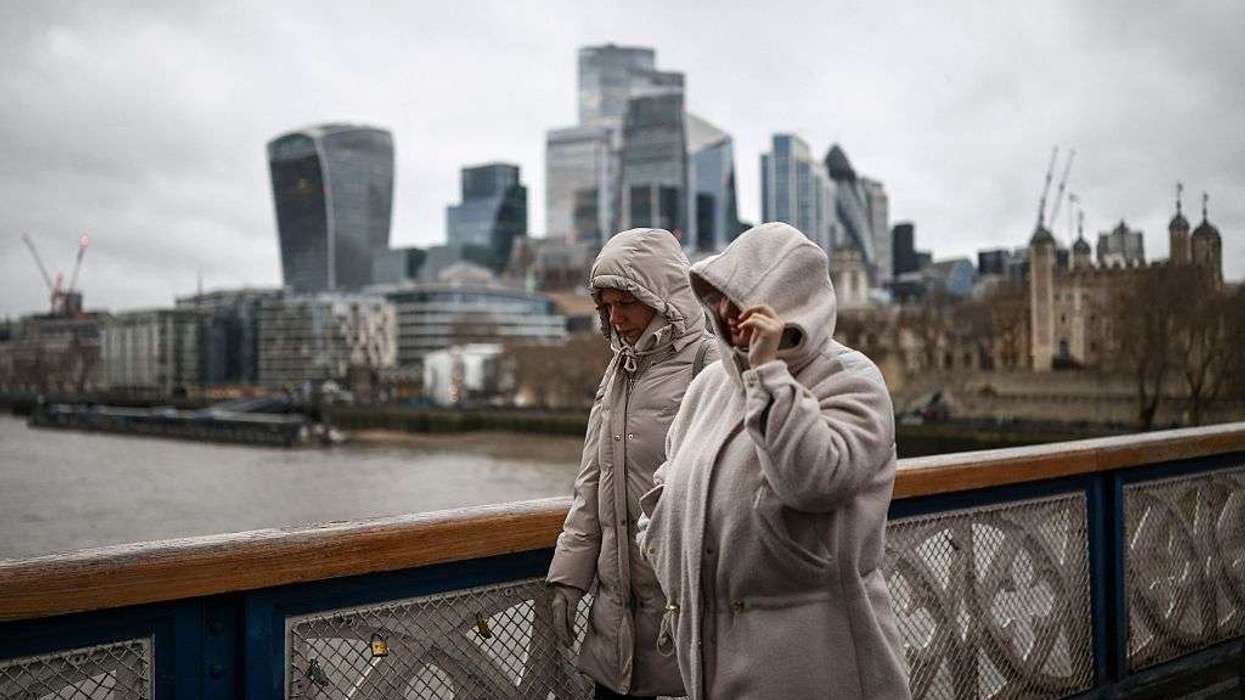

TEENAGE girls as young as 14 are being drawn into forced sexual exploitation by gangs operating across London, according to a BBC investigation.
The report said vulnerable girls and young women were exploited by groups of men and later coerced into sex, sometimes as “payment” for drug debts imposed by the gangs that controlled them. Others were groomed solely for sexual exploitation.
The findings are based on weeks of reporting in the capital, including interviews with five survivors of gang-based abuse, police officers and social workers. The BBC said some girls were also pulled into criminal activity, including dealing drugs, trading weapons and stealing mobile phones.
One London police officer said that girls and women were the “lowest rung” in gangs and were groomed and exploited “for everything”.
Public debate around child sexual abusers has often focused on towns in northern England. However, the BBC investigation said gangs in London involved men from a range of ethnic backgrounds, including white offenders, and operated widely across the city.
Last year, London mayor Sadiq Khan said there was no indication of sexual abusers of the type seen in places such as Rotherham operating in the capital. A spokesperson for the mayor later said he wanted to support police to tackle “all child sexual exploitation in the capital, including grooming gangs”.
Kelly, not her real name, told the broadcaster she was groomed by three white men in London when she was a teenager. She said she was first forced to deal drugs and later pressured into sex.
“I had no money, felt neglected and saw an opportunity to feel part of something,” she was quoted as saying. “Before long I was selling drugs on the streets. But that turned into having sex to keep people on side if we owed them.”
Kelly said she did not initially believe she was a victim. “I didn’t think I was groomed or exploited. It’s taken me a while to realise I was used and manipulated,” she said.
Detective sergeant John Knox, who leads a child exploitation team within the Metropolitan Police, said girls inside gangs “cannot say no to sex”.
“Within that gang world, the girls are at the lowest rung and they have to do as they’re told. And that includes sexually,” he said. “If a girl can’t say no, she’s being raped, and that’s how we look at it as the police.”
Knox said girls as young as 13 were being exploited in parts of south London and estimated at least 60 children in his area alone were affected.
Another survivor, Milly, said she was 15 when she was sexually exploited by men in London. “I was getting passed around different men every night,” she said. She said alcohol and drugs were used to control her and that she struggled to remember details because she was intoxicated.
“They’d say, ‘Oh, you’re a nice, young white girl’,” she said, adding that the men were south Asian.
A third survivor, Ruth, said she was targeted when she was vulnerable. “They didn’t want anything but sex,” she said. “They gave me expensive things so I felt wanted.”
According to the BBC, social workers reported that many victims came from troubled backgrounds, including family breakdown, abuse, poverty and substance misuse.
A solicitor specialising in abuse cases warned against racial assumptions. Alan Collins of Bolt Burdon Kemp said that there was a failure to record ethnicity nationally, making firm conclusions difficult.
Met deputy assistant commissioner, Kevin Southworth, said sexual abusers were “very high” on the force’s threat and risk radar. “We are very acutely aware of the risk of grooming gangs here in London,” he said.
Around 2,000 child exploitation cases are reported to the Met each year.
A Home Office spokesperson said that the independent inquiry would have “full powers to compel evidence and hold local investigations to account”.
They said previously closed cases of child sexual exploitation were now being reviewed, adding that perpetrators who believed they had escaped justice would have “nowhere to hide”.
The Metropolitan Police said it had improved the way it records and investigates group-based child sexual exploitation, including specialist training for more than 23,000 frontline officers and the expansion of child exploitation teams across London.
Campaigners and survivors said that sexual exploitation by gangs in London takes many forms and should not be defined by one pattern or background, urging authorities to focus on identifying vulnerable children and intervening earlier.