
BRITISH Muslim households earn far more than the UK average on paper, but when income is shared across larger families, each person is worse off than the national average, one of the largest studies on the community’s living conditions has revealed.
Published earlier this month, the Crisis of Belonging survey by Muslim Census, conducted in partnership with Islamic Relief UK and the National Zakat Foundation, revealed that higher incomes mask deeper financial strain, uneven charity support and sharp gender gaps in the community.
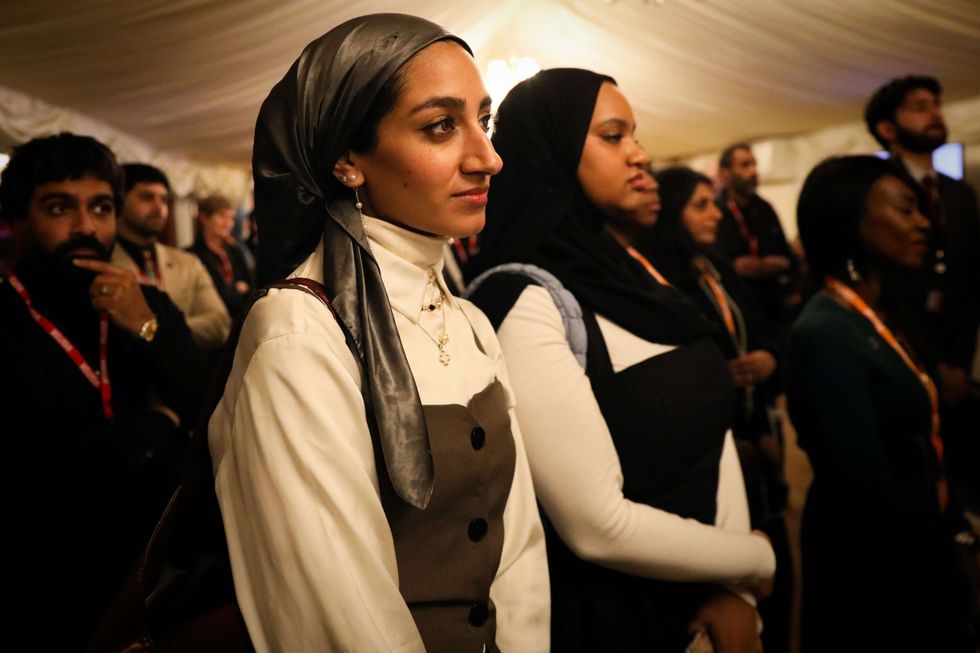 Muslim women were more than twice as likely to use food banksAlishia Abodunde/Getty Images
On average, a British Muslim household earns £65,358 a year, around 48 per cent more than the UK average of £42,684, according to the report. But those households are much larger, with just more than four people on average, compared with 2.36 nationally.
“When income is shared across more family members, average income per person falls to £16,294, around eight per cent lower than the UK average of £18,086. A household earning £75,000 may look secure on paper, but split across five people, each person lives on about £15,000 a year,” the report said.
It found out that Bangladeshi households are the largest at 4.55 people, followed by Pakistani (4.19); black African (3.91); Indian (3.79); Arab (3.54), and white British (2.92).
Despite financial strain, generosity within the community remained high. More than 80 per cent of respondents said they paid Zakat in the past year. Yet nearly half of those who gave Zakat sent their donations entirely outside the UK, leaving local need largely unmet. The survey pointed out that while generosity is widespread, systems to direct support towards struggling families at home remain weak.
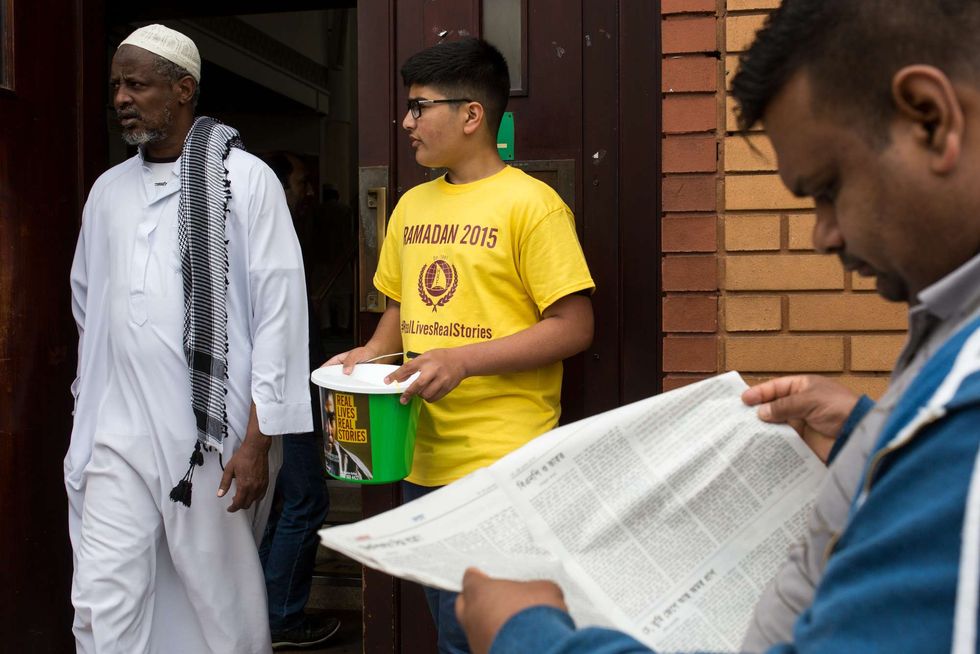 And , more than80 per cent paid Zakat, with nearly half sending it outside the UKRob Stothard/Getty Images
Muslim women were hit harder on almost every measure in the survey. “Muslim women were more likely than men to struggle with household bills, far more likely to ask for charitable help, and more than twice as likely to use food banks. Their outlook on finances was four times more negative than that of men, and nearly one in five said they did not feel safe where they live,” the report added.
Despite this, women reported stronger spiritual resilience, while also finding it harder than men to ask for help.
For many, faith remains a source of support. More than a third of respondents said financial hardship had brought them closer to their faith, compared with fewer than one in 10 who said it had weakened it. But among those who had missed meals, the impact was more divided, with nearly three in 10 saying hardship had weakened their faith.
The report noted that while belief helps many cope, sustained financial stress can also erode the support people rely on the most.
The survey was conducted online using the Muslim Census panel. Respondents came from across England, Scotland and Wales, with London accounting for 38 per cent of the sample. More than half were in full-time work, and 80 per cent were employed in some form, underlining that financial hardship is widespread even among working households.
Nearly three in 10 respondents said they had difficulty paying at least one household bill in the past year. Energy bills were the most common pressure, followed by food and council tax.
One respondent said: “The cost of living is so high that despite earning on paper much more than my father, I suffer greater financial burden than they did on much lower salaries.”
Even among households earning between £50,000 and £75,000, more than a quarter said they struggled to pay bills, largely because income had to stretch across larger families.
The report also highlighted food insecurity that is largely hidden from public view. One in 12 respondents said they had missed meals in the past year because they could not afford food.
Nearly one in five black African Muslims said they had gone hungry, while almost one in four unemployed respondents missed meals. But hunger was not limited to those out of work. The survey found that 148 people in full-time employment had gone hungry in the past year.“I am a single mother struggling to pay bills. I work two jobs,” one respondent said. “Both is just around £19, 000 after tax annually.”
Despite this, most people who went hungry did not turn to food banks. Almost two-thirds of those who missed meals did not use emergency food support, often citing stigma, lack of awareness, or discomfort about asking for help. Among those who did use food banks, the vast majority were repeat users, suggesting that once people overcome the barrier of seeking help, need is often ongoing.
More than four in 10 respondents said they relied on some form of borrowing to cover everyday costs, far above the UK average. This included credit cards, overdrafts, and loans from family and friends. Interest-free loans from relatives were particularly common, especially among young people. Nearly one in three respondents aged 18 to 24 relied on family loans to manage daily expenses.
Women were more likely than men to borrow, and more likely to depend on family support rather than formal credit.
According to the findings, very few people in difficulty asked for support. Only two per cent of respondents said they had requested Zakat or emergency charitable help in the past year, even though nearly three in 10 struggled with bills and one in 12 went hungry.
Almost half of respondents said financial pressure had harmed their mental wellbeing. Among those struggling with bills, the figure rose above 80 per cent, and among food bank users it was even higher.
Young people reported the highest mental health impact. Six in 10 respondents aged 18 to 24 said money worries had damaged their mental health, and more than half cited job security as their biggest concern for the future.
“The youth is at risk of becoming a lost generation,” one respondent said. “We really are now living in a time when our children will have things worse than we did.”
Alongside financial pressure, the survey found a sharp decline in feelings of belonging. Nearly two-thirds of respondents said they felt negative about their future in the UK, while only eight per cent felt positive. Just over half said they felt a strong sense of belonging to Britain, a steep fall from the 93 per cent recorded in a 2016 Ipsos MORI survey.
Rising Islamophobia, political hostility and feeling unwelcome were the most common concerns raised in open responses.
“This is my country, but I am told I’m not welcome,” one respondent said. “I fear for my family and friends who are Muslim.”
Middle-aged respondents, particularly those aged 45 to 54, were the most pessimistic. Many described a sense of disillusionment after building careers and families in Britain.
“Five generations of my family have lived in this country yet I feel it is more divided than ever,” one respondent said.
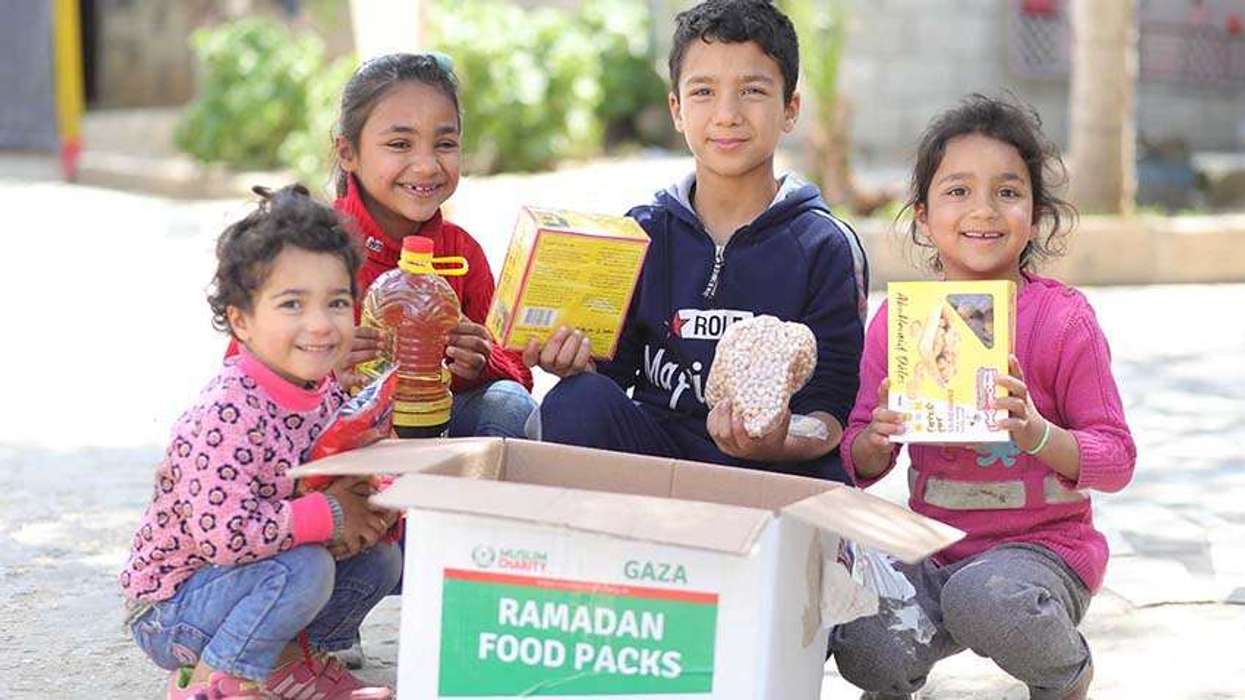
In the wake of these findings, Islamic Relief UK has begun its largest-ever Ramadan food distribution across the country.
The charity said it will distribute food packs through 37 food banks, mosques, football clubs and local organisations in cities including Glasgow, Cambridge, Leeds, Leicester, Luton, Birmingham, Nottingham and London. The deliveries coincide with the start of Ramadan and come amid rising pressure on household budgets.
Food banks working with the charity said demand has risen sharply as the cost-of-living crisis continues. Many reported seeing more families turning to emergency support for the first time, following years of austerity and the economic impact of the Covid-19 pandemic. The charity warned that reluctance to use available support could push households further into hardship at a time when poverty and destitution are increasing across the country.
Nadeem Baqir, programmes manager at Islamic Relief UK, said the scale of the response reflected growing need. “This is our largest ever Ramadan food distribution, as the poverty crisis in the UK requires more attention,” he said.
“It’s also important that we challenge the stigma surrounding poverty, with the alarming news that many in the Muslim community are reluctant to ask for help when needed. There’s no shame in being affected by an economic crisis outside the ordinary person’s control, and we should all reach out to our neighbours and community to check in on people.”
The food packs include basic items such as rice, pasta, tuna, vegetables, canned soup, cereal and biscuits, and will be distributed throughout Ramadan to families most in need, the charity said.