
PRIME MINISTER Keir Starmer and US president Donald Trump discussed reopening the Strait of Hormuz during a call on Sunday, as the Middle East conflict continues.
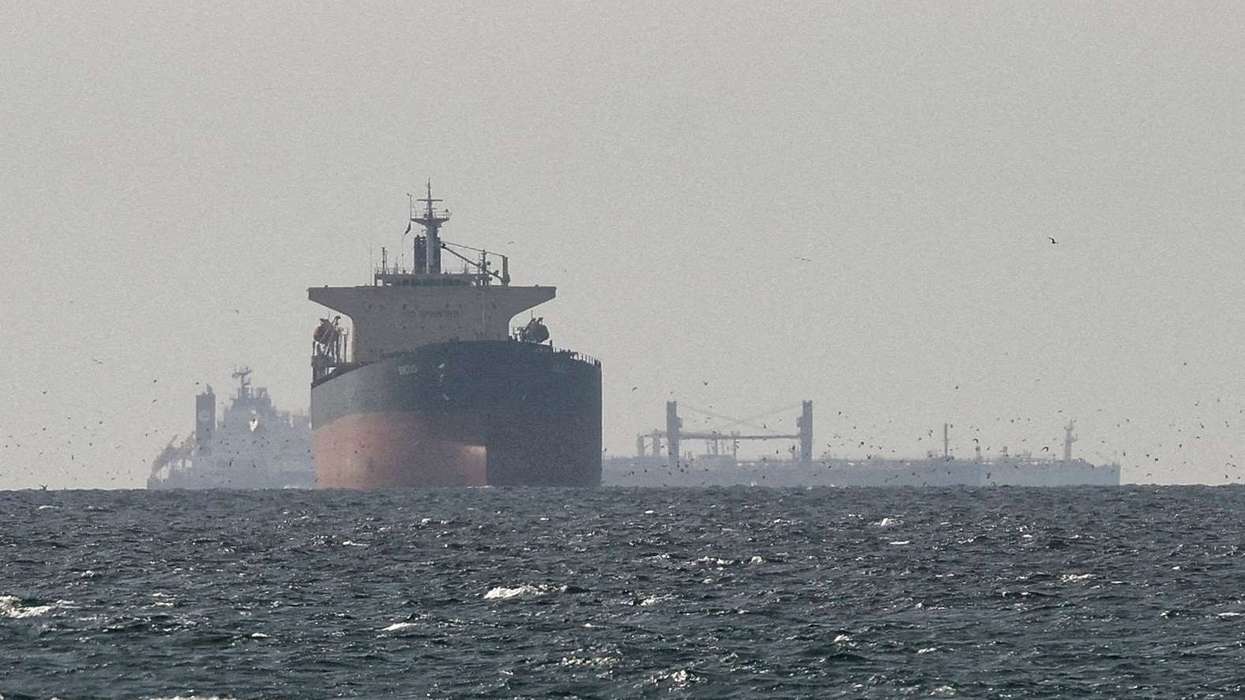
A Downing Street spokesperson said the two leaders “agreed that reopening the Strait of Hormuz was essential to ensure stability in the global energy market”. Traffic through the strait has slowed by about 95 per cent since the Iran war began on February 28.
The prime minister is set to chair a Cobra meeting on Monday to discuss the impact of the conflict, including on the cost of living. Bank of England governor Andrew Bailey is expected to attend, along with senior ministers. Starmer is also due to appear before the Liaison Committee in the House of Commons.
Iran has effectively blocked the strait since the US and Israel attacked the country. Around 20 per cent of the world’s oil and liquefied natural gas passes through the route, and crude prices have risen 45 per cent to $106 a barrel since the conflict began.
ALSO READ: US, Israel target Natanz; UK allows base use for Hormuz operations
In a social media post, Trump said: "If Iran doesn't FULLY OPEN, WITHOUT THREAT, the Strait of Hormuz within 48 HOURS from this exact point in time, the United States of America will hit and obliterate their various POWER PLANTS, STARTING WITH THE BIGGEST ONE FIRST!"
Iran said it would respond by targeting “all energy, information technology and desalination infrastructure belonging to the US and the regime in the region”.
Starmer said any move to reopen the strait would require a plan and careful consideration, adding his priority was to protect British interests and de-escalate the situation.
He also said there had been no assessment that mainland Britain was being targeted. “We carry out assessments all the time in order to keep us safe, and there's no assessment that we're being targeted in that way,” he told reporters.
ASLO READ: Israel, Iran exchange fresh strikes as conflict widens across region
Housing minister Steve Reed said Iran had targeted the joint US-UK base at Diego Garcia in the Indian Ocean. “Our assessment is that the Iranians certainly targeted Diego Garcia,” he told the BBC.
“As we understand it, one missile fell short and failed; the other was intercepted and prevented,” he said.
Reed added: “But I don't think it's a surprise this has happened, Iran has been recklessly firing missiles around the region.”
He also said there was “no specific assessment that the Iranians are targeting the UK or even could, if they wanted to”.
Reed declined to give further details, saying he could not share “operational details”.
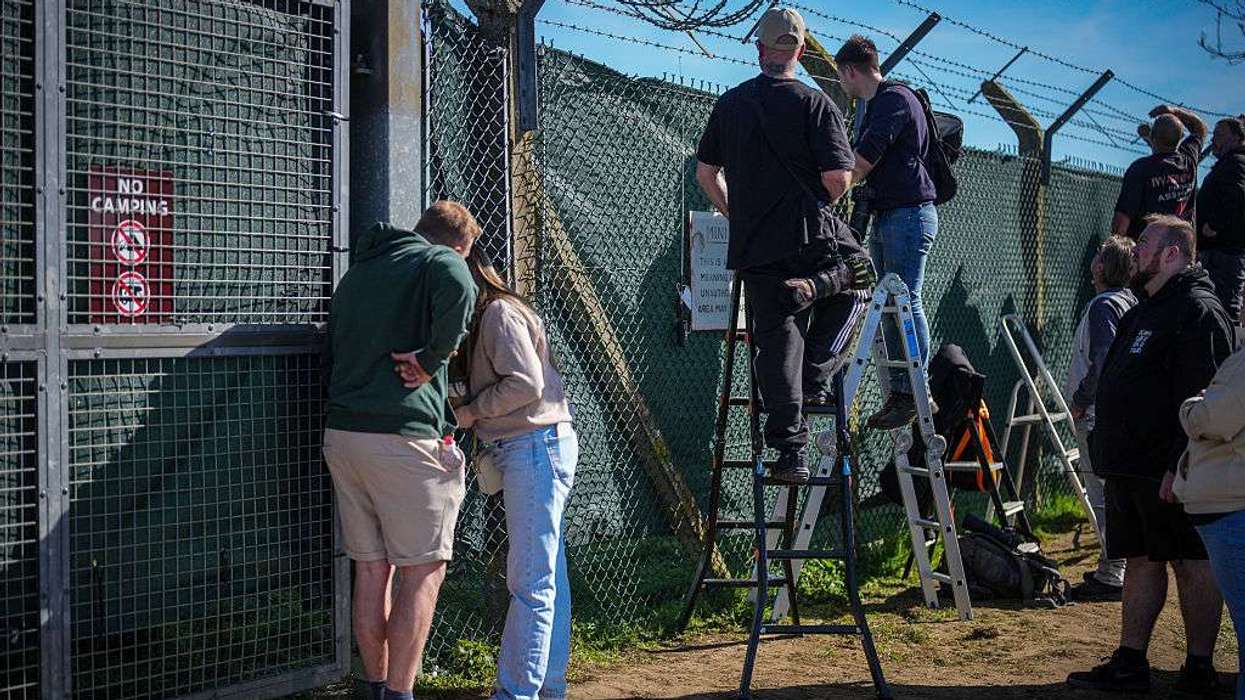
The UK government has allowed the US to use bases in Diego Garcia and Fairford to target Iranian “missile sites and capabilities being used to attack ships in the Strait of Hormuz”. It had previously allowed their use only for defensive operations.
ALSO READ: Energy markets react as Iran hits Qatar LNG site, Trump threatens response
Reed said: “The UK will not be dragged into this conflict”.
Starmer said he wanted “every lever that's available to the government to deal with the cost of living” to be discussed at Cobra, adding he wanted to ensure the government was doing “everything we possibly can at a very difficult period like this”.
Housing secretary Steve Reed said action had already been taken, including a £53 million package for households facing higher heating oil costs.
Housing minister Matthew Pennycook said a “range of options” were being considered, including looking at “profiteering that we're potentially seeing from fuel retailers”.
Ministers are expected to discuss energy security, supply chains, businesses and the wider economic impact at the Cobra meeting.
ALSO READ: Iran vows response after Larijani killing as Israel hits Beirut
In other developments, Israel said Iran had fired more than 400 ballistic missiles since the start of the war, with around 92 per cent intercepted.
Iran’s energy minister Abbas Aliabadi said strikes had caused damage to water and energy infrastructure. “The attacks targeted dozens of water transmission and treatment facilities and destroyed parts of critical water supply networks,” he said.
At least six attacks targeted a US diplomatic and logistics centre at Baghdad International Airport, Iraqi officials said. A senior security official said: “Eight separate attacks, carried out until dawn with rockets and drones, targeted the US centre.”
Iran’s IRNA news agency said a drone attack also targeted a military base near Baghdad International Airport.
Saudi Arabia said three ballistic missiles were detected around Riyadh, while the UAE said it was responding to missile and drone attacks.
ALSO READ: Fighting continues across West Asia as Israel claims key Iranian officials killed
Israel said rocket fire from Lebanon killed one person in northern Israel. Hezbollah said it had targeted soldiers in the area.
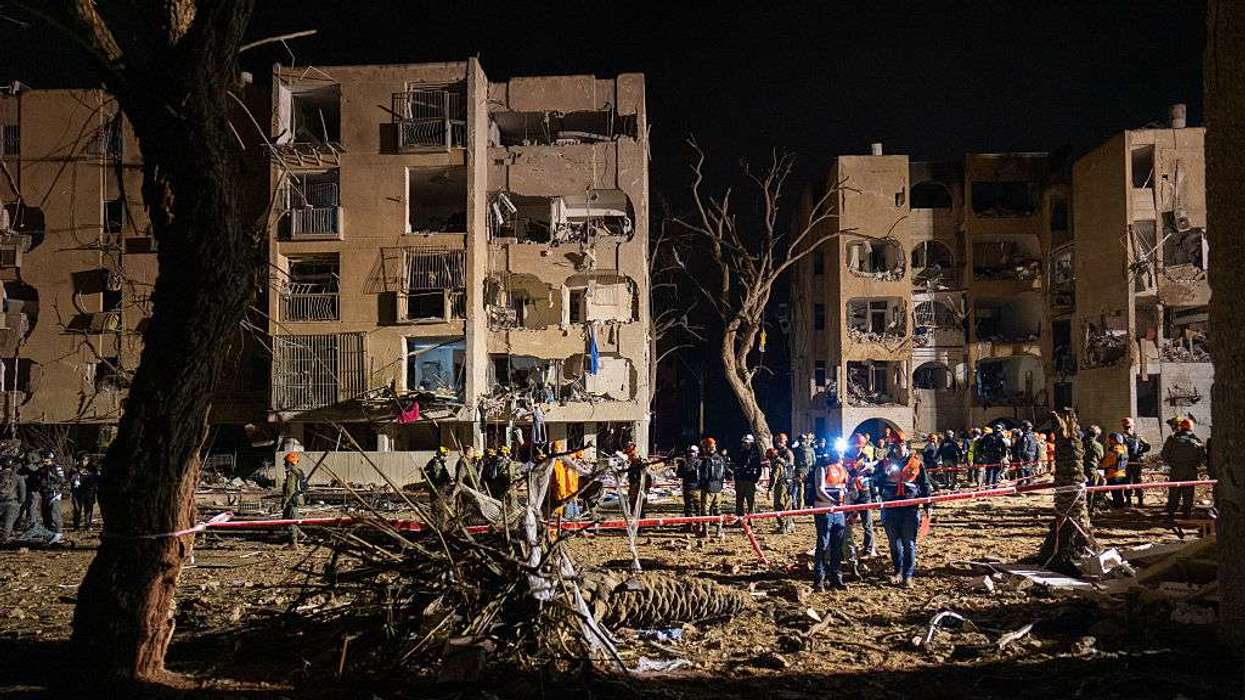
Blasts were also heard in Jerusalem after warnings of incoming missile fire from Iran, with no immediate reports of casualties.
The Israeli military said it carried out strikes on Tehran, stating its forces were “currently conducting strikes on Iranian terror regime targets in the heart of Tehran”.
Separately, a helicopter crash in Qatar’s territorial waters killed three Turkish nationals, including a serviceman, and three Qatari servicemen. No link to the conflict has been established.
(With inputs from agencies)