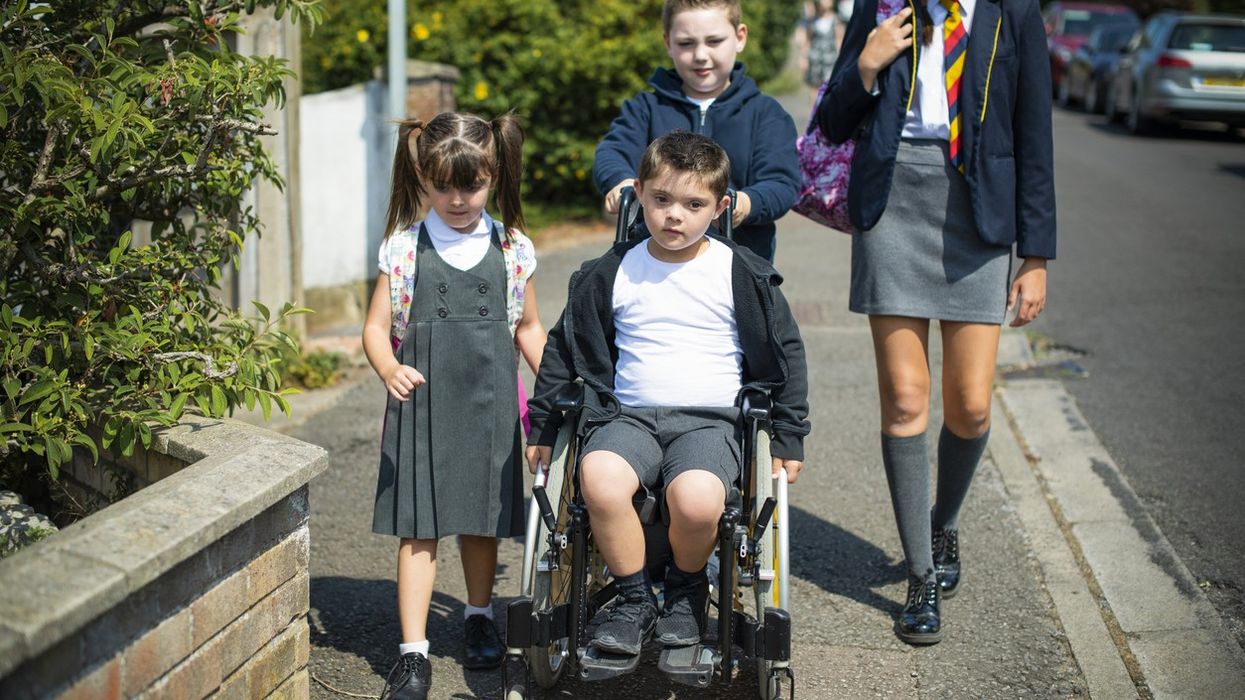

There is an investment push for the welfare of students with special educational needs and disabilities.
Councils have been provided with an annual allocation of £850 million to create new places for such students in mainstream and special schools, and to improve the accessibility of existing buildings.
This will provide specialist support for children with autism, learning difficulties, mobility difficulties and more to meet their extra needs.
The funding is part of the £2.6 billion investment between 2022 and 2025 to support families in their fight for the right support for their children.
In addition, schools and sixth-form colleges will benefit from £1.8 billion in funding to help maintain their buildings.
This funding will support schools in refurbishing classrooms and improving playgrounds, as well as larger projects such as upgrading heating systems, replacing roofs or rewiring electrical systems.
The government has now allocated over £17 billion since 2015 to improve school buildings.
The school rebuilding programme is transforming over 500 schools across England.
Education secretary Gillian Keegan said the Government has a plan to deliver 60,000 more places that meet the needs of pupils with special needs and their families.






 Rescuers use an excavator to transport a flood survivor, following flash floods and a landslide disaster in Devghat, in the Nepal's Nuwakot district on August 26, 2026Getty Images