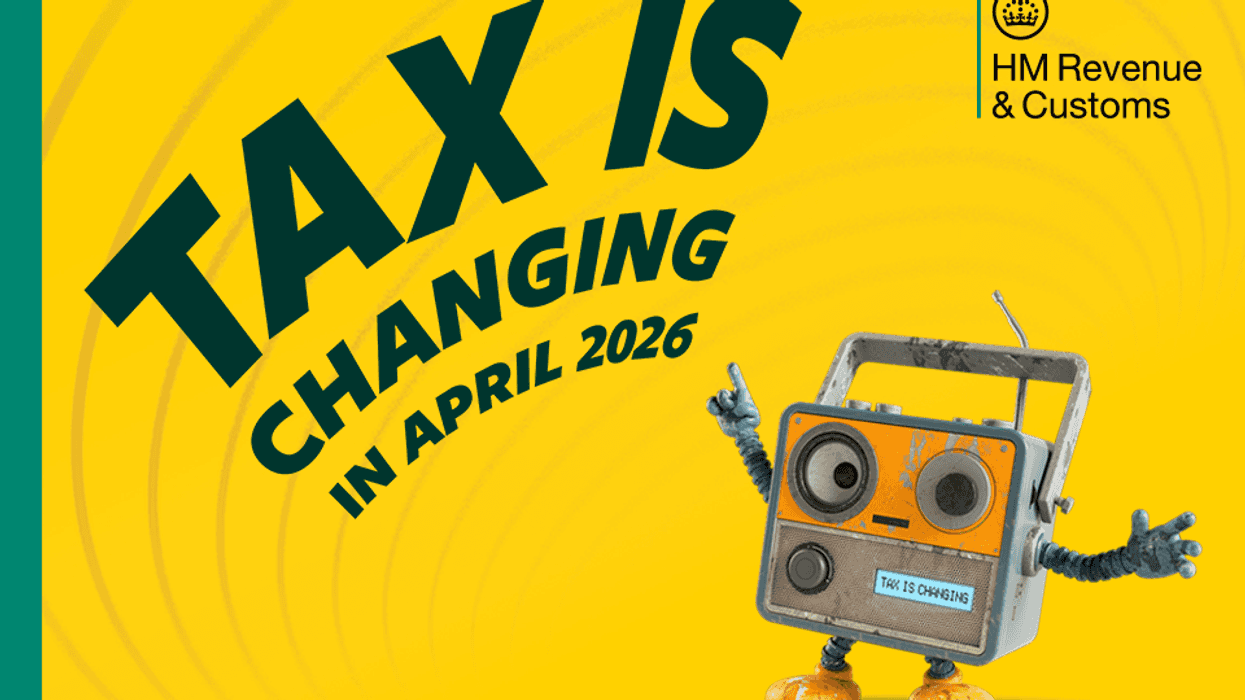

- More than 860,000 self-employed people and landlords must move to digital tax reporting from April 6.
- Quarterly updates will replace the once-a-year rush, though tax returns will still be required.
- Penalty points apply for late submissions, but fines start only after four missed deadlines.
Around 864,000 sole traders and landlords earning more than £50,000 a year from self-employment or property will need to change how they report tax from April 6, 2026.
Under the Government’s Making Tax Digital scheme for Income Tax, those affected must keep digital records and submit quarterly summaries of income and expenses to HM Revenue and Customs using recognised software. HMRC has stressed that these updates are not additional tax returns, but regular snapshots of earnings throughout the year.
The change forms part of a wider plan to modernise the UK tax system, which ministers argue will make it more efficient and reduce errors. Whether it feels simpler for those involved may depend on how smoothly the transition goes.
No more January scramble?
Once signed up, users will send four quarterly updates each tax year. The first group, those who earned £50,000 or more during the 2024–25 tax year, will join from April 6, 2026. Their first quarterly update will be due by August 7, 2026.
They will still need to file a self assessment tax return by January 31 each year. However, because income and expenses will already be logged through the software, HMRC suggests there should be less last-minute paperwork.
Craig Ogilvie, HMRC’s Director of Making Tax Digital, reportedly said in a news report that “now is the time to act”, adding that a range of software options is available and that thousands have already tested the system successfully. He said spreading tax administration across the year could help avoid the “last minute scramble” many face every January.
More than 12,000 quarterly updates have already been submitted through a voluntary testing programme, according to HMRC.
Who joins and when
The rollout will happen in stages. From April 6, 2026, those earning £50,000 or more must join. From April 6, 2027, the threshold falls to £30,000. From April 6, 2028, it drops again to £20,000.
Anyone joining in April 2026 will still submit their 2025–26 tax return in the usual way by January 31, 2027, as that period falls before the new system begins. The first full tax return under the digital system, covering 2026–27, will be due by January 31, 2028.
To ease the shift, the Government has said that those joining in April 2026 will not receive penalty points for late quarterly updates during the first 12 months. After that, the new points-based penalty system applies. A point is issued for each late submission, but a £200 fine is only triggered once four points are reached.
HMRC is urging those affected to review the guidance on GOV.UK, choose suitable software and sign up in advance. Those who use an accountant or tax agent are being advised to speak with them sooner rather than later.
For many self-employed workers and landlords, the change could mean rethinking how they manage records and cash flow. With just two months to go before the first wave begins, the shift to digital reporting is moving from theory to deadline.