
Highlights
- Sienna Rose has nearly three million monthly listeners on Spotify
- Three tracks sit in Spotify’s Viral Top 50, led by Into The Blue
- Streaming platforms and listeners suspect the music is computer-made
- Her rise is fuelling a wider row about artificial music on the charts
Sienna Rose is having a remarkable run. Three of her smoky, jazz-tinged soul tracks have climbed into Spotify’s Viral Top 50. The most popular, a soft-focus ballad called Into The Blue, has passed five million plays. On the numbers alone, she looks like one of the year’s breakout artists. But there is a problem. Everything about her points to someone who may not exist at all.
A star with no footprint
Streaming service Deezer, which has built systems to spot computer-made songs, says many of Rose’s tracks on its platform are flagged as machine-created.
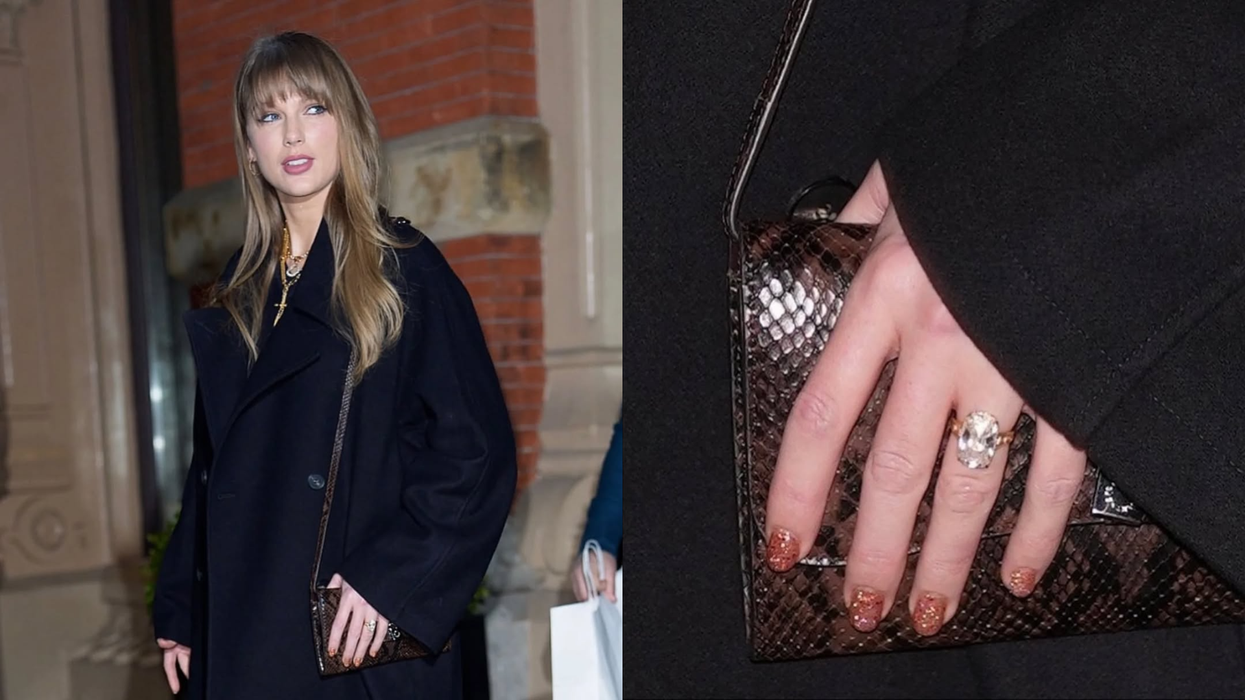
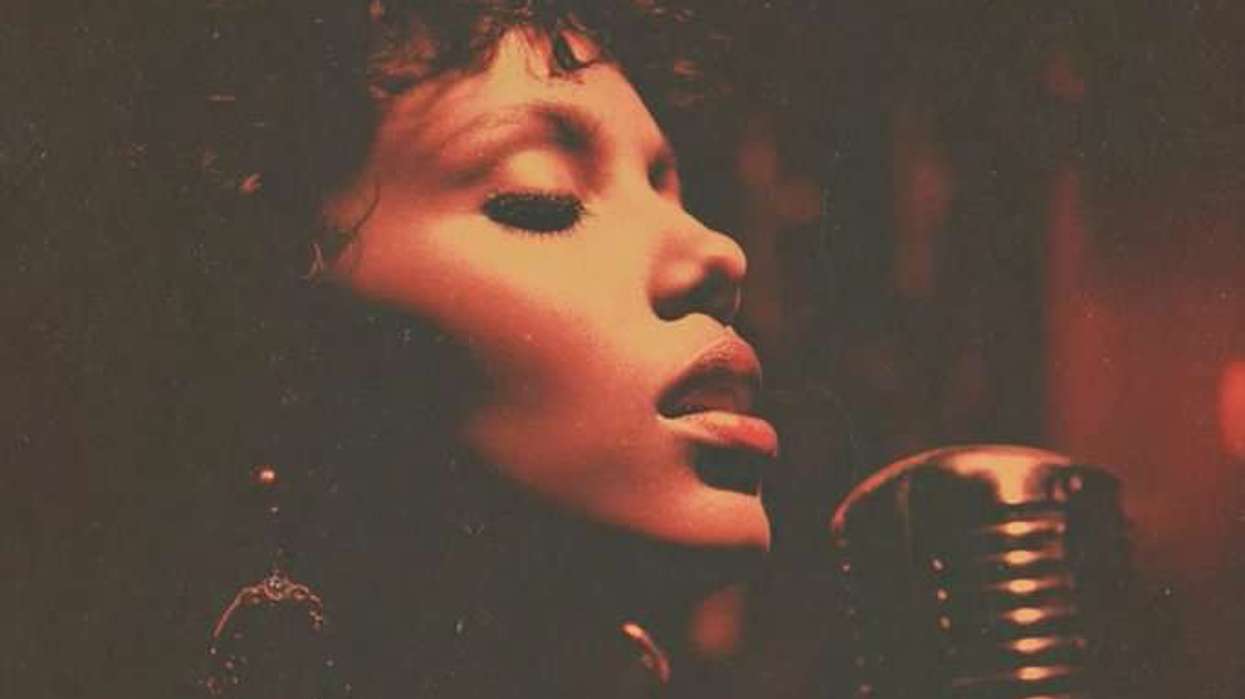
A glance at her profile raises eyebrows. There are no gigs, no interviews, no videos and no active social media. Her Instagram page, now deactivated, once showed a run of near-identical headshots, all washed in the glossy, unreal light often seen in computer-generated images.
Her output is just as unusual. Between 28 September and 5 December she released at least 45 tracks. Even Prince, famous for relentless creativity, would have struggled to match that pace.
On Tidal, she is also credited with folk and ambient albums, released last year, each with different singers pictured on the artwork.
The sound that gives it away
Musically, tracks like Into The Blue and Breathe Again sit comfortably beside Norah Jones or Alicia Keys: smooth vocals, jazzy guitar, gentle rhythms.
But many listeners say something feels off.
Play Under The Rain or Breathe Again and a faint hiss runs through the song. That noise is common in tracks made with apps like Suno or Udio, which begin with static and gradually shape it into music.
Deezer says this “noise” makes such songs easy to spot. Gabriel Meseguer-Brocal, one of its senior researchers, explains that when layers are added, small errors appear.
“They’re not something you hear as mistakes,” he says. “But with a few mathematical checks, they stand out clearly.”
Those errors act like a fingerprint, even pointing to which software made the track.
For casual listeners, the clues are simpler: flat lyrics, stiff rhythms and a singer who never pushes the melody.
TikTok critic Elosi57 said: “I liked it, but it felt ‘uncanny’. I looked at the profile and thought, ‘This isn’t real.’”
Another user on X wrote that after listening to Olivia Dean, Spotify suggested Sienna Rose: “It sounded similar, but more bland. After a few songs I realised it wasn’t human.”
Broadcaster Gemma Cairney summed it up on Radio 4: “The photos look a bit unreal. And in the music, is some of the soul in soul missing?”
Famous fans – and sudden doubts
Despite the doubts, many listeners embraced her.
Pop star Selena Gomez even used Rose’s track Where Your Warmth Begins in an Instagram post about the Golden Globes. The song was later removed once questions about Rose spread online, but Gomez’s post pushed the mystery into the spotlight.
Some fans were crestfallen.
“Please tell me she’s real,” wrote one on Threads.
Another said on Bluesky: “The music isn’t bad, but once you know, it does sound empty.”
The industry’s new headache
Of course, it is still possible that Sienna Rose is real and simply avoids attention. She could be hiding behind a pseudonym or caught in a contract row.
But the fact that so many people believe she is fake shows the scale of the problem now facing music.
In Sweden this week, a chart-topping song was removed after journalists discovered the artist behind it did not exist.
There is big money in it. The cost of launching an act like Rose is tiny, yet her music is thought to be earning around £2,000 a week.
Compare that with K-pop, where labels spend about $1m (£750,000) per member each year, and the appeal is obvious.
Several of Rose’s songs appear to be linked to US indie label Broke, known for turning viral acts into stars. She does not appear on its website, but another act listed there, Haven, caused controversy last year after releasing a song using a copy of Jorja Smith’s voice. That track was pulled, re-recorded with a human singer, and later reached the UK Top 10.
The BBC has contacted Broke and another label, Nostalgic Records, which lists Rose as “London-based” and calls her “a storyteller of the heart”. Neither has yet explained who she really is.
Deezer says 34% of new uploads to its service – about 50,000 songs a day – are now machine-made. Eighteen months ago it was about 5%.
Bandcamp has banned such music. Spotify says the line between machine-made and human-made is not always clear and that it does not promote or punish songs based on how they are created.
Artists including Paul McCartney, Kate Bush and Annie Lennox have protested against systems trained on copyrighted work. At the Ivor Novello Awards in 2024, Raye said fans would always choose honest music: “I write to tell my story.”
As for Sienna Rose, her songs continue to rack up plays. Whether she is shy, fictional or something in between, her success shows how hard it has become to tell where human creativity ends – and something else begins.