
Skip to content
Search

Latest Stories

'Sholay' actor Satinder Kumar Khosla passes away

He was also featured in films like Naseeb, Yaarana, Hum Hain Rahi Pyar Ke, and Anjaam among others.

'Sholay' actor Satinder Kumar Khosla passes away

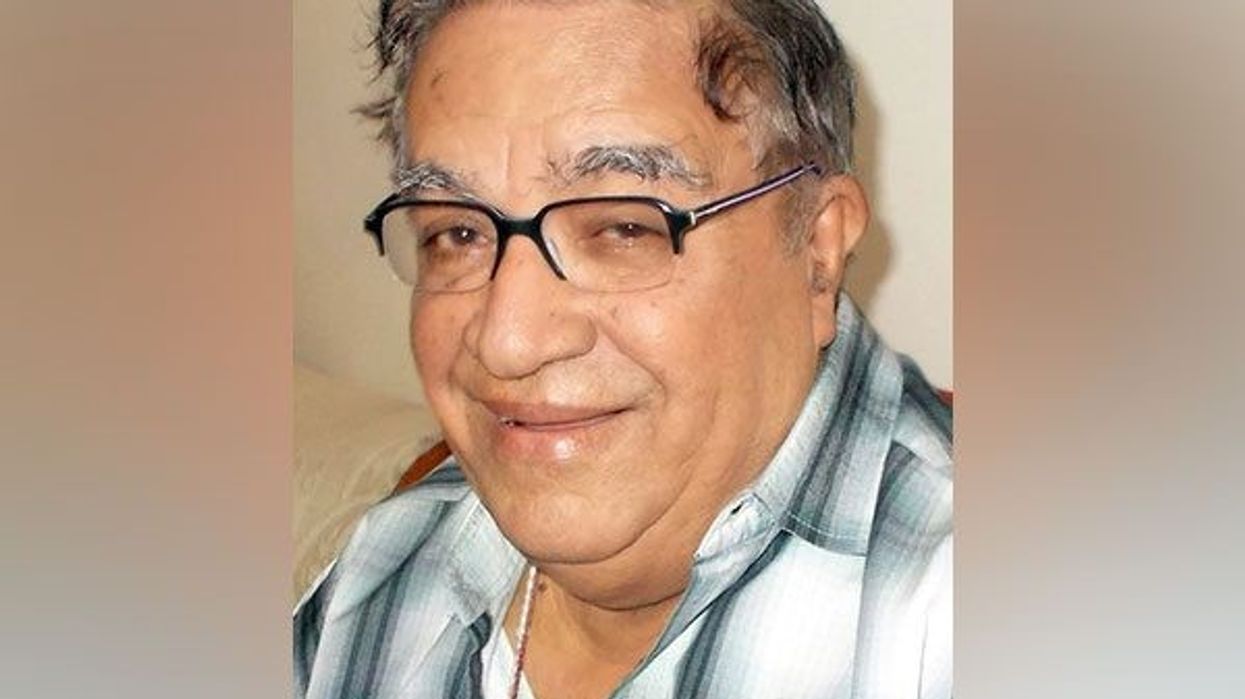
Veteran actor Satinder Kumar Khosla, popularly known as Birbal, has died. He was in his 80s. Khosla breathed his last on Tuesday evening at Mumbai’s Kokilaben Hospital. His friend Jugnu confirmed the news of the demise of the Sholay actor to ANI.

Khosla passed away due to cardiac arrest. His final rites will be performed on Wednesday.


After learning about the unfortunate news, the official X handle of the Cine & TV Artistes’ Association (CINTAA) paid heartfelt condolences.

A post read, “CINTAA expresses its condolences on the demise of Birbal (Member since 1981).”

Khosla is best known for his comic characters. His distinctive look, featuring a bald pate and a thick moustache, made him easily recognisable.

He worked in several films of Manoj Kumar including Upkar, Roti Kapda Aur Makaan, and Kranti.

However, it was his role as a prisoner in Sholay that made him garner a lot of attention.

He was also featured in films like Naseeb, Yaarana, Hum Hain Rahi Pyar Ke, and Anjaam among others.
More For You

Samir Zaidi

Two Sinners marks Samir Zaidi’s striking directorial debut

Samir Zaidi, director of 'Two Sinners', emerges as a powerful new voice in Indian film

Indian cinema has a long tradition of discovering new storytellers in unexpected places, and one recent voice that has attracted quiet, steady attention is Samir Zaidi. His debut short film Two Sinners has been travelling across international festivals, earning strong praise for its emotional depth and moral complexity. But what makes Zaidi’s trajectory especially compelling is how organically it has unfolded — grounded not in film school training, but in lived observation, patient apprenticeships and a deep belief in the poetry of everyday life.

Zaidi’s relationship with creativity began well before he ever stepped onto a set. “As a child, I was fascinated by small, fleeting things — the way people spoke, the silences between arguments, the patterns of light on the walls,” he reflects. He didn’t yet have the vocabulary for what he was absorbing, but the instinct was already in place. At 13, he turned to poetry, sensing that the act of shaping emotions into words offered a kind of clarity he couldn’t find elsewhere. “I realised creativity wasn’t something external I had to chase; it was a way of processing the world,” he says. “Whether it was writing or filmmaking, it came from the same impulse: to make sense of what I didn’t fully understand.”

Keep ReadingShow less