- He addressed an escalating row over who gets to call themselves English.
- He spoke of racism ‘seared’ into his childhood memories.
- He warned that the media’s attention economy rewards provocation.
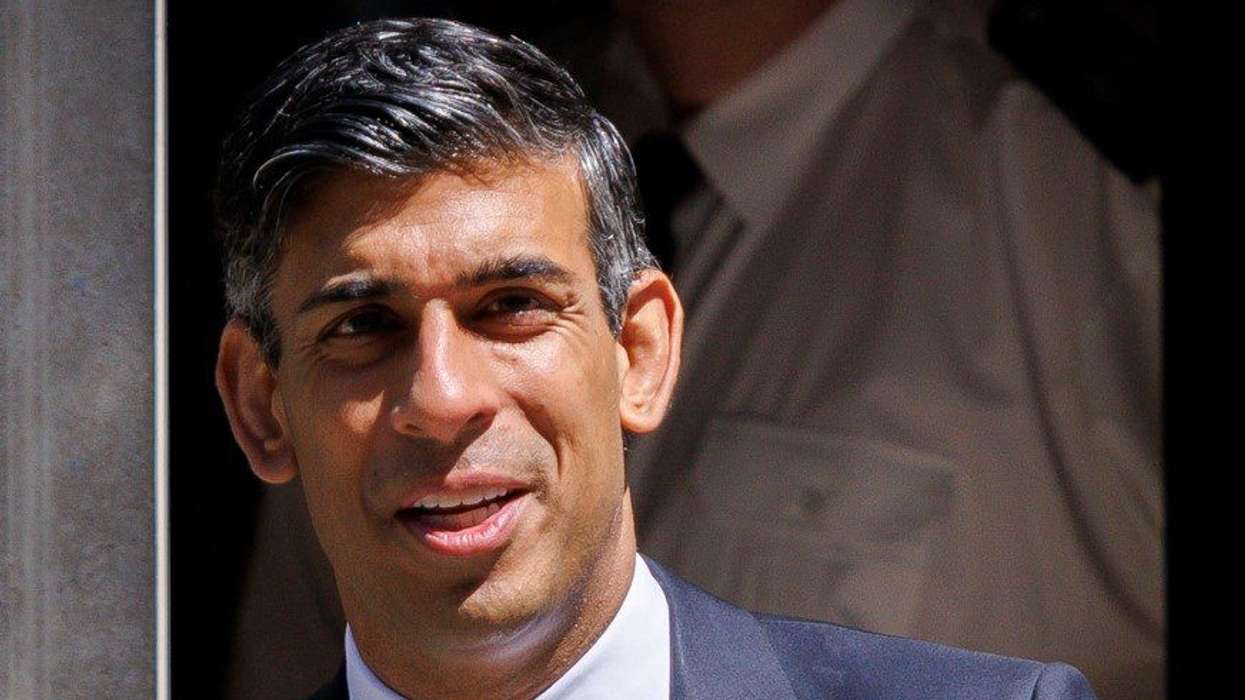
Rishi Sunak has broken his silence on a simmering row about national identity, insisting he is “British, English and British Asian” after a string of remarks from figures on the political right questioned whether people from minority backgrounds can claim to be English.
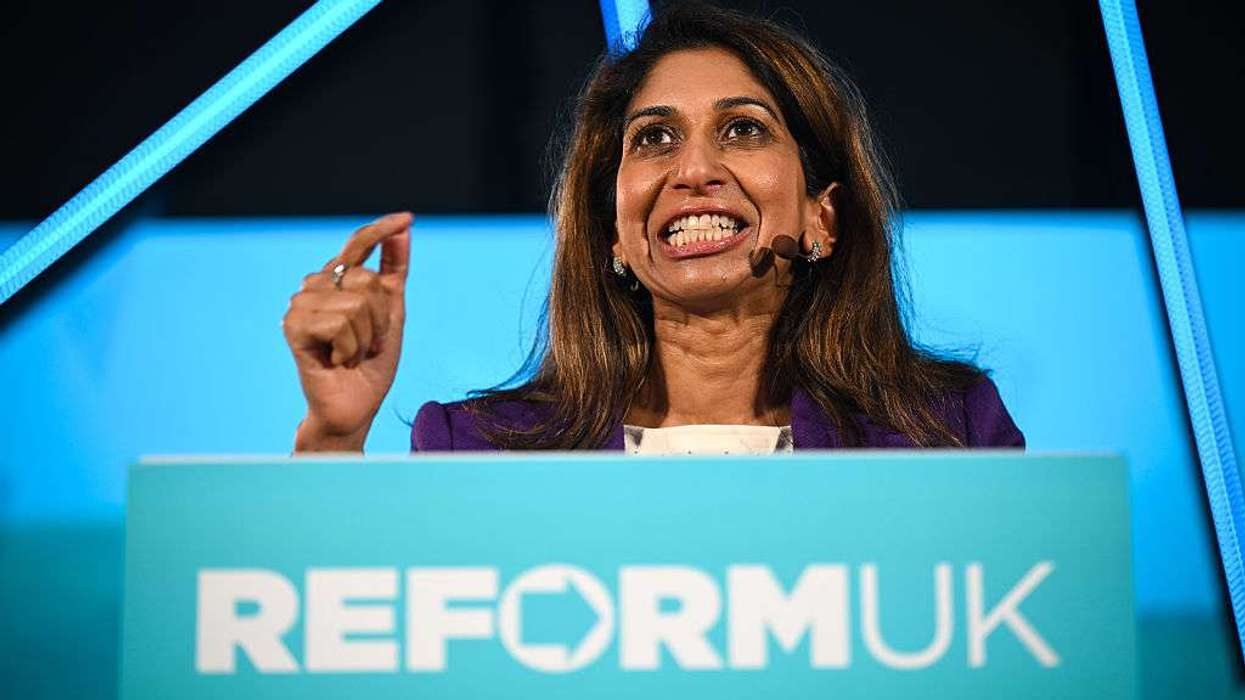
Giving evidence to the Independent Commission on Community and Cohesion, co-chaired by Sajid Javid and Jon Cruddas, the former Conservative leader appeared keen to draw a line under the debate. The controversy began when podcaster Konstantin Kisin argued that Sunak was not English because he is a “brown-skinned Hindu”. That claim was later echoed by Reform MP and former home secretary Suella Braverman, who reportedly questioned whether being born in England automatically makes someone English. Reform UK candidate Matthew Goodwin has also declined to distance himself from similar comments.
Sunak, born in Southampton to Indian parents, said he found the tone of the debate troubling. He reflected on racist abuse he and his siblings experienced while growing up, describing it as “seared” into his memory, as quoted in a news report. While he suggested that such experiences are less common than in previous decades, he warned against complacency.
“I definitely wouldn’t want us to slip back into a world where racist language was heard regularly on the street, or considered permissible on TV,” he reportedly said.
Identity in layers, not in conflict
Sunak set out what he described as a layered view of identity. “We’re all British, and underneath that, or alongside that, you can have lots of different identities that don’t come into conflict with that. Of course you can,” he reportedly said. He went on to list his own: “I’m British, I’m British Asian, I’m British Hindu, English. Sotonian – what we call people from Southampton, and an apprentice Yorkshireman.”
The remarks appear to be a direct rebuttal to suggestions that ethnicity or religion might sit awkwardly with national identity. Sunak also pointed to Sajid Javid’s account of racism in 1970s Rochdale, documented in his memoir, as a reminder that these debates are not new for British Asians.
The commission he addressed is facilitated by the Together Coalition, founded by Brendan Cox, widower of Labour MP Jo Cox, who was murdered by a far-right extremist. That backdrop gives added weight to concerns about increasingly divisive rhetoric.
Warning over ‘shock jockery’
Sunak also took aim at what he described as a culture of “shock jockery” in modern media. He suggested the current attention economy rewards those who make inflammatory remarks for clicks and headlines. “That’s one of my worries about the attention economy… it rewards people for that kind of provocative, bigoted language,” he reportedly said.
On immigration, he acknowledged that tensions had been building and expressed regret that he had not moved sooner to reduce numbers while in office. Referring to street violence seen in 2024, he said it was evidence that “something has gone wrong”, adding that Islamist extremists and the far right were “feeding off each other”, as quoted in reports.
Even so, Sunak rejected the idea that Britain is a racist country. He pointed to his own rise to Downing Street and to Javid’s career in senior government roles as examples of opportunity. He also noted that his successor as Conservative leader is “a Black woman who grew up in Nigeria”.
His intervention follows comments by Prime Minister Keir Starmer, who warned against allowing migration policy to be shaped “by people who think whiteness is the same thing as Britishness”. That rare overlap between political opponents hints at a wider concern that the debate over identity may be drifting into more dangerous territory.