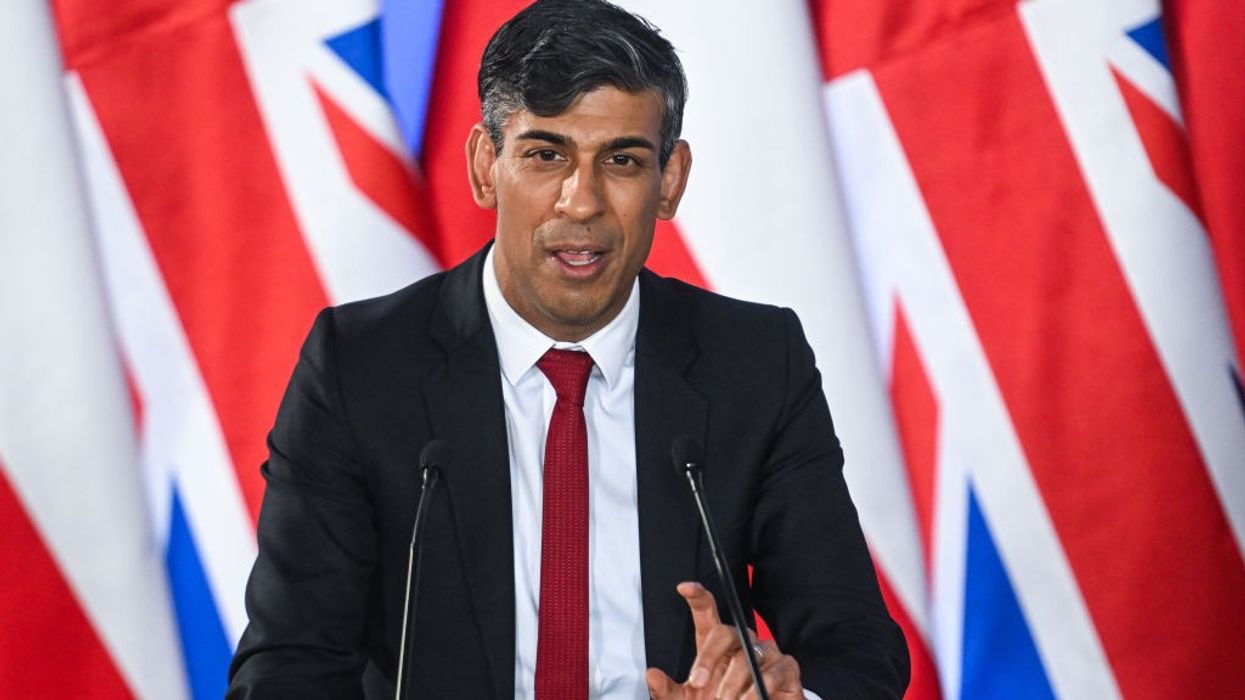

PRIME MINISTER Rishi Sunak said on Tuesday (23) he would lift defence spending to 2.5 per cent of GDP a year by 2030, saying the British arms industry must be on a "war footing" when the world is at its most dangerous since the Cold War.
Standing alongside NATO leader Jens Stoltenberg, Sunak said Britain would spend an additional £75 billion over six years to increase the production of munitions and drones, making Britain the second-largest defence spender in NATO.
He said one of the central lessons of war in Ukraine was that countries needed deeper stockpiles of munitions, and the ability to replenish them more quickly.
"In a world that is the most dangerous it has been since the end of the Cold War, we cannot be complacent," he said. "As our adversaries align, we must do more to defend our country, our interests, and our values."
Sunak has been under pressure from his governing Tories to boost defence spending more quickly after previously saying he could do so only "as soon as economic conditions allow."
The rise, from around 2.32 per cent of gross domestic product, could also weaken potential leadership challengers who have championed defence, before an election this year which Sunak's party is expected to lose.
The commitment would take defence spending for 2028/29 from approximately £73.8bn to £78.2bn, partly funded by a previously announced plan to cut the size of the civil service.
The opposition Labour party said earlier this month it would aim to hit the 2.5 per cent target "as soon as resources allow".
Sunak's commitment could help Britain if Donald Trump wins re-election to the US presidency this year. Trump has frequently taken aim at the failure of many of NATO's 32 members to spend at least two per cent of gross domestic product on defence.
He made the announcement on one of his first international trips for months, where he met Stoltenberg and Polish prime minister Donald Tusk. He will meet German chancellor Olaf Scholz on Wednesday (24).
Britain has been one of the most vocal and active backers of Ukraine and the news followed Sunak's pledge to increase military support for Ukraine by £500 million to take its total for this financial year to £3bn.
He also said Britain's financial support would continue at least at its current level for the rest of the decade, or as long as needed.
That was welcomed by Ukrainian president Volodymyr Zelenskiy, including in a call with Sunak earlier on Tuesday.
The Ukrainian leader has repeatedly called for more air defence systems to protect Ukraine from Russian bombardments, and Germany has spearheaded calls for members of the NATO military alliance and beyond to step up on deliveries.
Asked whether Britain was backing Germany's proposal to find more air defence systems, Sunak reiterated what Britain had already delivered, and said the new package - including 60 boats, more than 1,600 strike and air defence missiles and nearly 4 million rounds of ammunition - would also help Ukraine.
Britain has deployed the anti-air and anti-missile Sky Sabre system to Poland to help its defences.
Sunak said Britain and others must remain committed to supporting Ukraine because Russian president Vladimir Putin would not stop there if he was victorious.
"We will be dragged back to a world where brute force rather than the democratic will of free peoples would shape borders and decide futures," he said.
But having warned of the increasing threat to global security he added: "We must not overstate the danger. We're not on the brink of war, and nor do we seek it."
(Reuters)





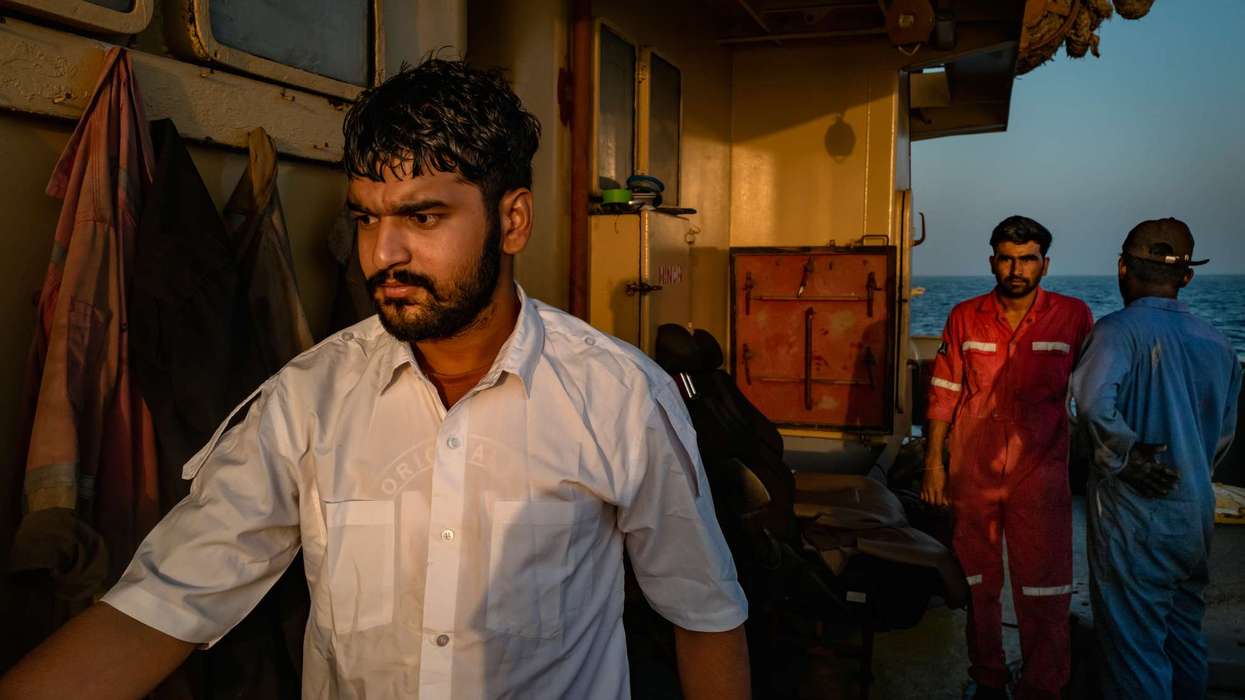
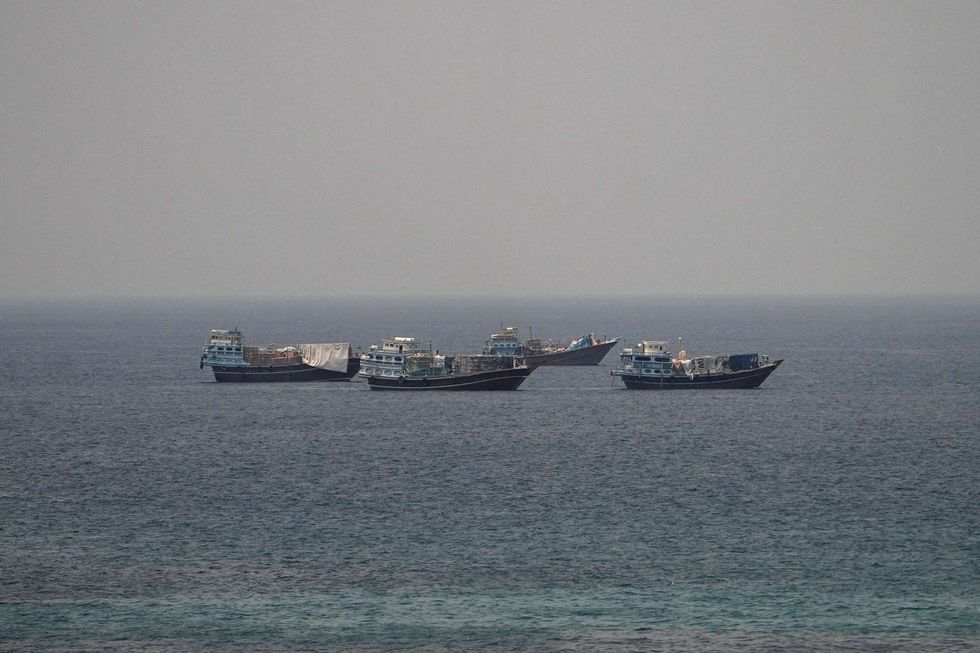 Vessels in the Strait of Hormuz on July 1, 2026Reuters
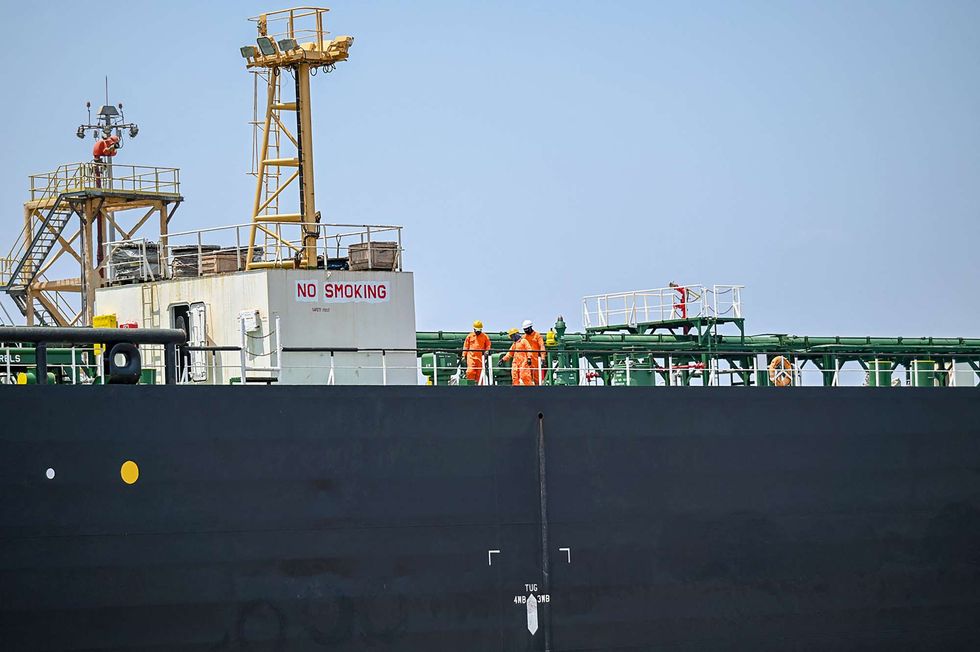 Crew aboard the Indian-flagged tanker Desh Garima after transiting the strait in April Punit Paranjpee/AFP via Getty Images