
Highlights
- Ralph Lauren drew criticism after models wore jhumka-style earrings during its Fall 2026 show at Paris Fashion Week.
- The brand described the bell-shaped jewellery as “vintage accessories”, without referencing South Asian origins.
- The incident has revived debate around cultural credit and appropriation in global fashion.
Runway accessories spark online criticism
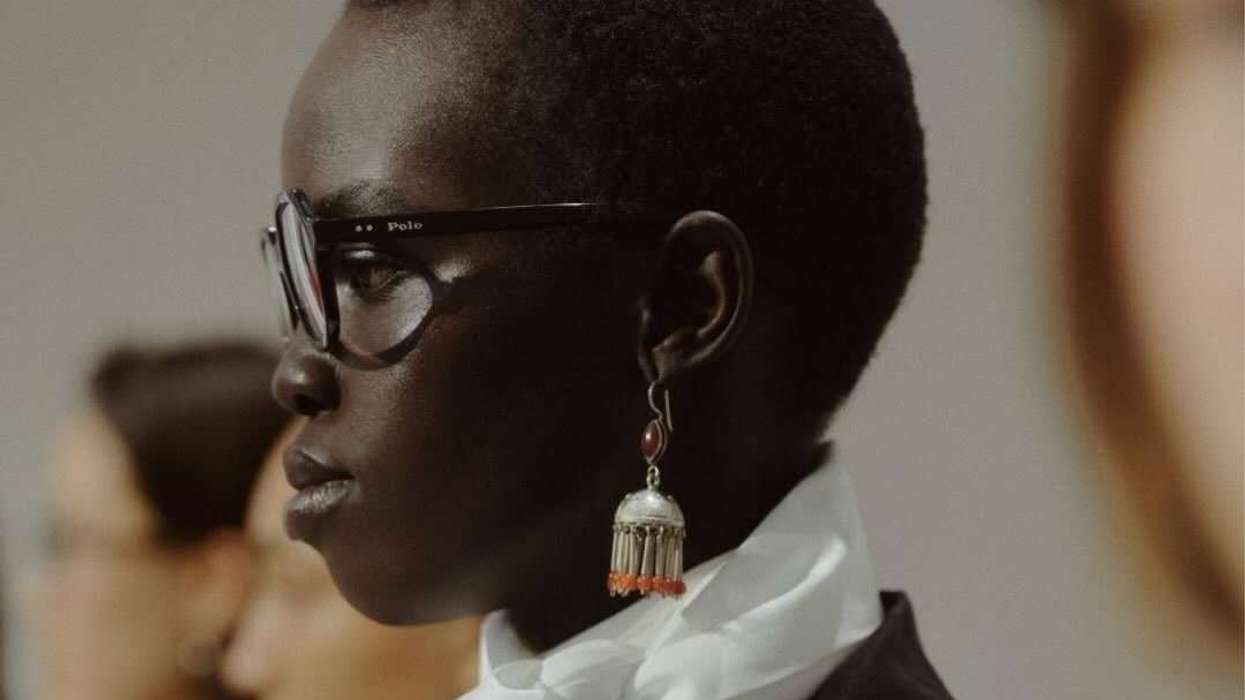
Luxury label Ralph Lauren has come under fire online after its Fall 2026 women’s show at Paris Fashion Week featured earrings resembling traditional South Asian jhumkas.
The silver, bell-shaped accessories, a long-standing feature of Indian jewellery, were worn by models on the runway. However, the brand’s posts described them simply as “vintage accessories”, without acknowledging their cultural roots.
The wording quickly drew criticism on social media, where many users accused the brand of overlooking the design’s heritage and history.
Social media reactions intensify debate
Online reactions followed soon after images from the show circulated on platforms including Instagram. Comment sections filled with criticism, with some users accusing the brand of “cultural theft” and others questioning why the design’s origins had not been mentioned.
A number of posts also pointed out that the distinctive bell-shaped earrings are widely recognised as part of traditional Indian jewellery and remain popular across South Asia today.
The controversy echoes previous debates within the fashion industry about global brands drawing inspiration from traditional designs without acknowledging the communities behind them.
Cultural borrowing or cultural appropriation?
Fashion experts say such debates often centre on how inspiration from traditional cultures is presented.
Harshita Srivastava, senior faculty member in fashion styling at Pearl Academy, said the discussion reflects a broader pattern in which elements of South Asian culture gain recognition only after appearing in Western fashion or lifestyle trends.
She noted that items and practices such as yoga, henna tattoos and traditional foods have similarly gained global popularity after being reinterpreted or marketed in Western contexts.
According to Srivastava, the issue becomes contentious when traditional designs are used without acknowledging their origins or the communities that created them. In such cases, critics argue that the original cultural context risks being overshadowed by mainstream commercial presentation.
A recurring conversation in global fashion
The debate surrounding Ralph Lauren’s runway look has once again highlighted the complex relationship between fashion inspiration and cultural credit.
Designers and brands regularly draw from global influences, but calls for greater transparency and acknowledgement of heritage crafts have grown stronger in recent years.
For many observers, the discussion is less about restricting creative influence and more about ensuring that traditional cultures and artisans receive recognition when their designs appear on international stages.