
Highlights:
- Rage bait captures online content designed to provoke anger
- Oxford University Press saw a threefold rise in its use over 2025
- Beat contenders aura farming and biohack for the top spot
- Highlights how social media manipulates attention and emotion
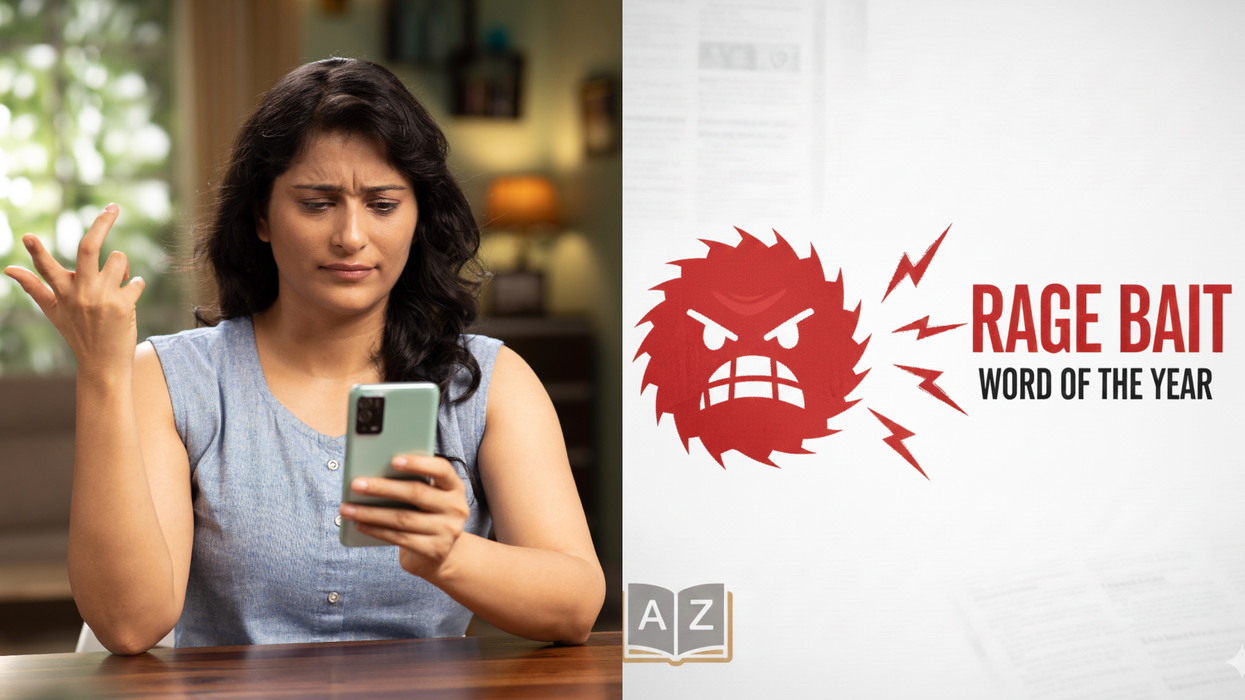
Rage bait is officially 2025’s word of the year, Oxford University Press confirmed on Monday, shining a light on the internet culture that has dominated the past 12 months. The term, which describes online content deliberately meant to stir anger or outrage, has surged in use alongside endless scrolling and viral social media posts, the stuff that makes you click, comment, maybe even argue.
 Rage bait isn’t just clickbait — it’s Oxford University Press’ word of the year for 2025 iStock/Gemini AI
What is rage bait and why it matters
Oxford defines rage bait as content “designed to elicit anger or outrage by being frustrating, provocative or offensive.” It’s the cousin of clickbait, but with a sharper edge: it doesn’t just tempt curiosity, it targets emotion. The goal is simple: more traffic, more shares, more engagement.
Casper Grathwohl, president of Oxford Languages, said the term’s rise shows awareness of “manipulation tactics” online. He added that where last year’s word, brain rot, captured the mental drain of scrolling, rage bait highlights the content engineered to spark outrage.

Why rage bait changed things for Oxford University Press
Rage bait topped two other contenders, aura farming, the art of cultivating a confident public persona, and biohack, attempts to optimise health or performance. The selection points to 2025’s mood: a digital environment where anger fuels engagement. The Oxford team analysed usage trends, online patterns, and cultural impact before crowning it the winner.
 Online Trends iStock
How fans and the public reacted
Even without knowing the term, most social media users have encountered rage bait. Lexicographer Susie Dent told the BBC that creators often “bask in millions of comments and shares,” and that social media algorithms amplify outrage naturally. In other words: people engage more when provoked, not when shown fluffy kittens.
 Rage bait isn\u2019t just clickbait \u2014 it\u2019s Oxford University Press\u2019 word of the year for 2025 iStock/Gemini AI
What’s next for the word of the year
Rage bait isn’t exactly new though. Oxford notes it first appeared online in 2002 in a Usenet post, then evolved into internet slang used to critique networks of content. Its spike in 2025 clearly shows both growing usage and the public’s recognition of emotional manipulation online. Past winners include emoji, goblin mode and selfie. Casper Grathwohl says it joins last year’s brain rot in a cycle: outrage gets clicks, algorithms push it, and users end up mentally drained, often finding it hard to scroll past.