
BRITAIN's counter-radicalisation scheme Prevent needs to rapidly adapt to avoid mistakes which saw two men who had been referred to the programme go on to commit deadly knife attacks, a review concluded on Wednesday (16).
Prevent has been a key strand of Britain’s security apparatus since the September 11 attacks on the US in 2001, with the aim of stopping radicalisation and preventing people from going on to commit acts of violence.
But since its inception it has faced criticism from some Muslims who argue it has been used to spy on their communities, while some referrals have gone on to commit acts of terrorism.
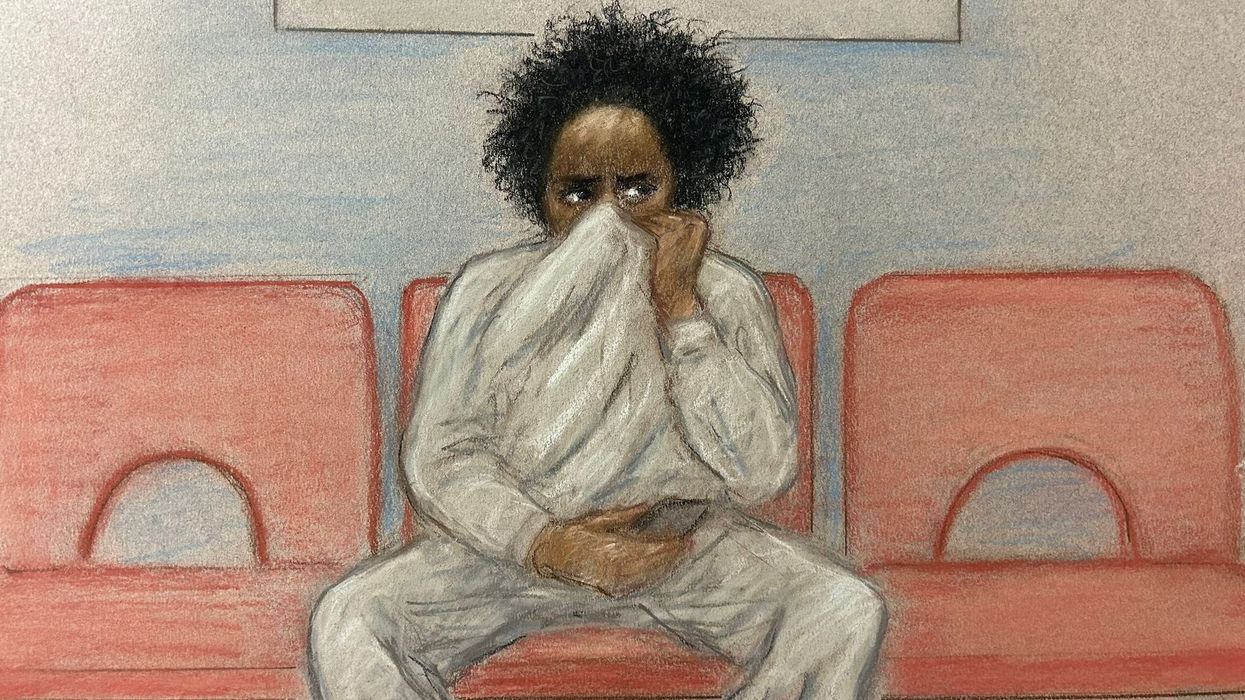
The government commissioned a report into the scheme after it emerged that teenager Axel Rudakubana, who murdered three girls at a Taylor Swift-themed dance event in Southport last year, had previously been referred by his school, but concerns about his violent tendencies were not acted upon.
David Anderson, the Interim Independent Prevent Commissioner, looked at the case of Ali Harbi Ali, who was inspired by the Daesh (Islamic State group) to stab to death veteran lawmaker David Amess in 2021.
Ali too had previously been referred to Prevent by his school, and Anderson said both cases involved a long string of mistakes and poor judgments.
He concluded that the scheme, while it worked sometimes, had to improve and adapt, applying to those who were simply obsessed with violence, such as Rudakubana. In the longer term, it should become part of a broader safeguarding and violence protection system, he said.
"More needs to be done," Anderson said. "Prevent needs to up its game in the online world, where most radicalisation now takes place."
Home secretary Yvette Cooper said the government would immediately act on his findings.
The most recent figures showed in the year to the end of March 2024, 6,922 people had been referred to Prevent, an increase of 1.5 per cent on the previous 12 months.
Of those, 36 per cent were related to vulnerable individuals with no clear ideology or counter terrorism risk, 19 per cent over extreme right-wing concerns, and 13 per cent regarding Islamist radicalisation.
Only two years ago, another independent review concluded that Prevent should refocus its efforts more on the threat posed by militant Islamism after becoming too concerned with extreme right-wing ideologies.
(Reuters)