Skip to content
Search

Latest Stories

Pooja Bhatt on 30 years of Dil Hai Ke Manta Nahin: Experts said the film was too risky

Pooja Bhatt on 30 years of Dil Hai Ke Manta Nahin: Experts said the film was too risky

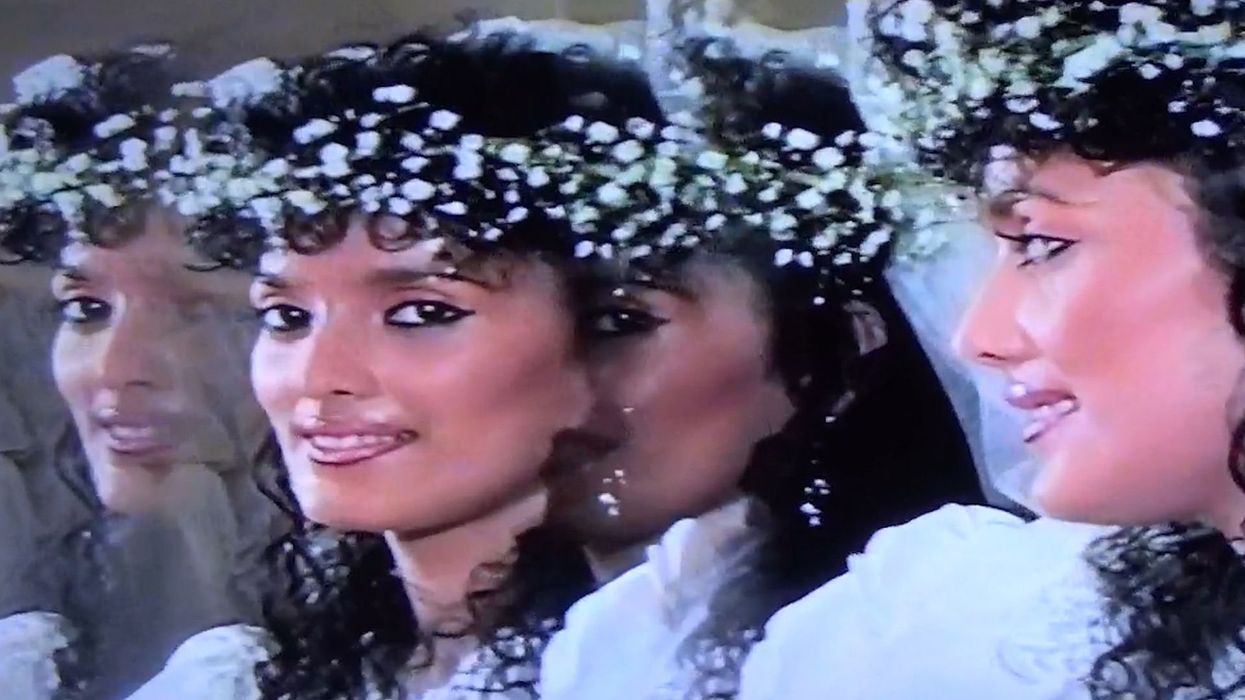
Mahesh Bhatt’s Dil Hai Ke Manta Nahin starring Aamir Khan and Pooja Bhatt was a hit at the box office. The movie completed 30 years of its release on Monday, and Pooja took to Twitter to revisit the film.

The actress tweeted, “30 yrs of #dilhaikemantanahin Gratitude to #GulshanKumar for bankrolling a film that experts said was too risky,where a woman runs away from home to marry someone,then changes her mind & runs away from the mandap to marry someone else. That too,with her father’s blessings..”


She also posted about art director MS Shinde who passed away during an outdoor shoot of Dil Hai Ke Manta Nahin.

She tweeted, “My thoughts are with M.S Shinde today.Shinde Saab as we all called him,was our art director for #dilhaikemantanahin He was a genius. My father never did a film without him & I knew him as a child.Tragically,he passed in Ooty on the DHKMN outdoor in Nov 90. Irreplaceable loss.”

Apart from the performances of Aamir and Pooja, Dil Hai Ke Manta Nahin is still remembered for its amazing music.

Last year, it was reported that a sequel to Dil Hai Ke Manta Nahin is on the cards. But, till now, there’s no update about it.

More For You

Samir Zaidi

Two Sinners marks Samir Zaidi’s striking directorial debut

Samir Zaidi, director of 'Two Sinners', emerges as a powerful new voice in Indian film

Indian cinema has a long tradition of discovering new storytellers in unexpected places, and one recent voice that has attracted quiet, steady attention is Samir Zaidi. His debut short film Two Sinners has been travelling across international festivals, earning strong praise for its emotional depth and moral complexity. But what makes Zaidi’s trajectory especially compelling is how organically it has unfolded — grounded not in film school training, but in lived observation, patient apprenticeships and a deep belief in the poetry of everyday life.

Zaidi’s relationship with creativity began well before he ever stepped onto a set. “As a child, I was fascinated by small, fleeting things — the way people spoke, the silences between arguments, the patterns of light on the walls,” he reflects. He didn’t yet have the vocabulary for what he was absorbing, but the instinct was already in place. At 13, he turned to poetry, sensing that the act of shaping emotions into words offered a kind of clarity he couldn’t find elsewhere. “I realised creativity wasn’t something external I had to chase; it was a way of processing the world,” he says. “Whether it was writing or filmmaking, it came from the same impulse: to make sense of what I didn’t fully understand.”

Keep ReadingShow less