
PEOPLE from black, Asian and minority ethnic (BAME) backgrounds continue to face a range of “unacceptable inequalities” when using health services, a report released on Tuesday (15) said, and called on NHS partners to help close the gap on future health inequalities.
As the biggest employer of BAME people in Europe, the NHS needs to work more closely with local communities and other parts of the healthcare system to address long-standing ethnic health disparities, the report by NHS Race and Health Observatory and the King’s Fund said.
It also called on all NHS partners- including the government, neighbourhood teams, primary care networks, providers, and integrated care systems- to renew focus on tackling health inequalities.
Chair of the NHS Race and Health Observatory, Marie Gabriel, said: “People from black and minority ethnic backgrounds continue to face a range of unacceptable inequalities when utilising health services.”
“We need to end this for future generations and rebuild health care systems inside out, based on a foundation of equity.”
Although laws including the Health and Social Care Act and Equality Act exist, more action needs to be taken by leaders across the NHS, the report said, noting the disproportionate impact of the Covid-19 pandemic on black, and minority ethnic communities.
It recommended practical actions to establish more diverse leadership, calling for improvements in recording ethnicity data, saying its quality was “currently poor”.
There were also calls for improving workplace experiences for BAME staff and "genuine engagement" with all the diverse communities that the NHS serves.
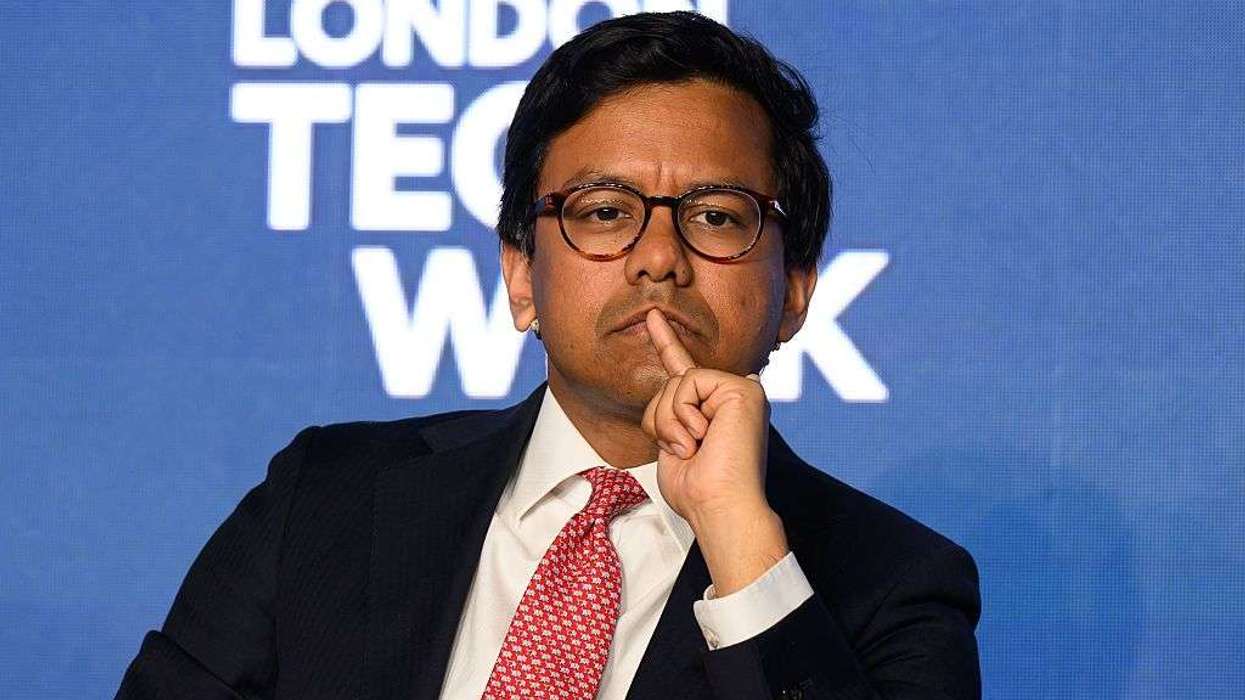
Chief executive of The King’s Fund, Richard Murray, said: “Despite warm words and good intentions, the NHS has not made progress in addressing ethnic health inequalities.”
“The NHS has an important role to play in tackling these inequalities – this work should be elevated to a ‘must do’ from a ‘nice to have’ as it has been in the past.”