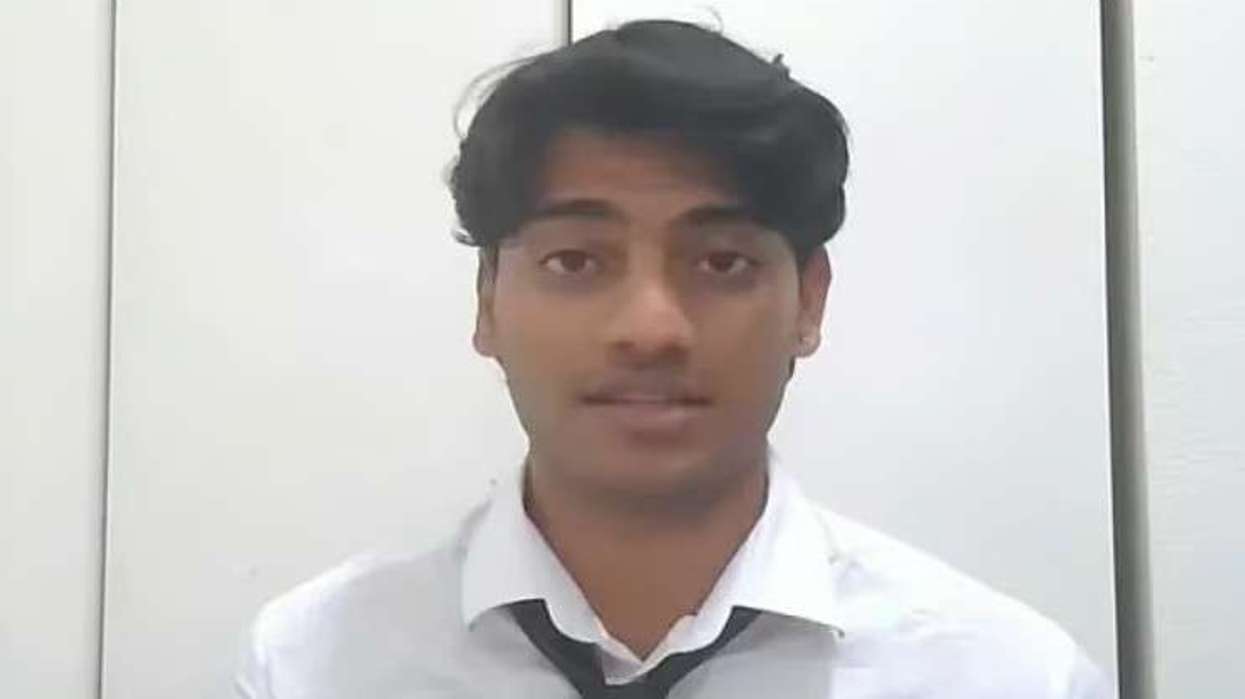

Pakistan Senator Bahramand Khan Tangi on Monday withdrew his resolution from parliament seeking a ban on all social media platforms after strong opposition, according to media reports.
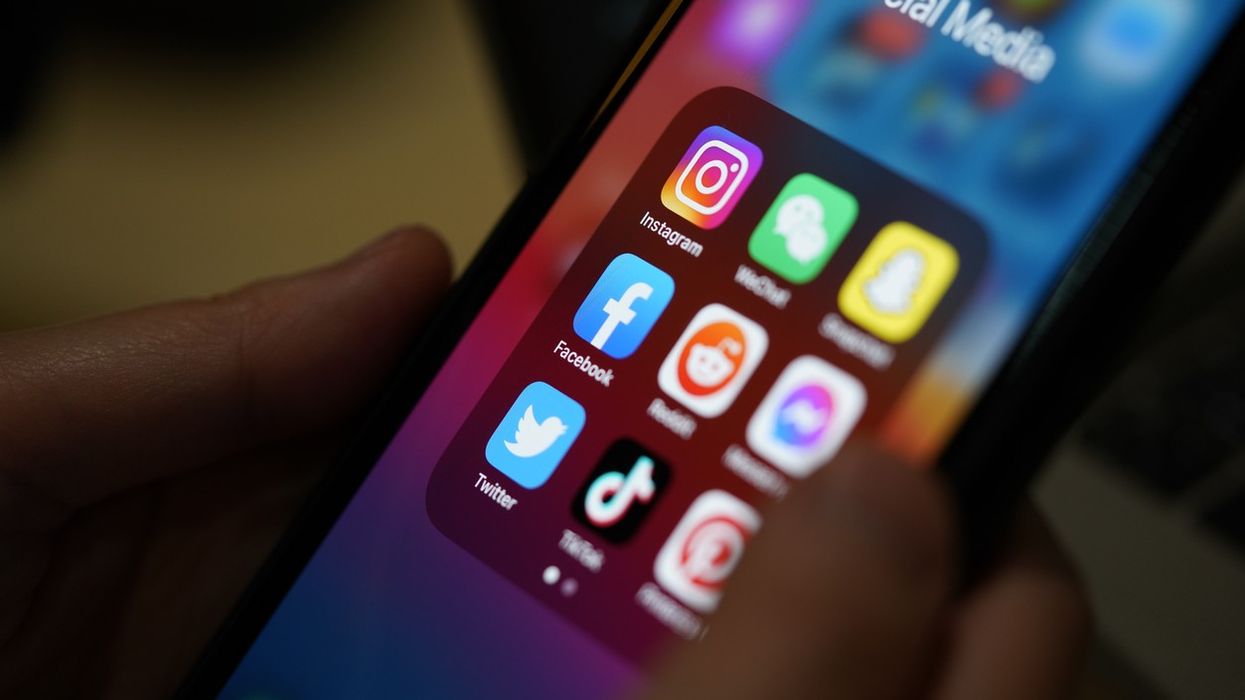
The senator’s resolution to have Facebook, TikTok, Instagram, X, and YouTube banned in Pakistan to protect the young generation from their “negative and devastating effects” was on the agenda of the upper house on Monday (4), the Dawn reports.
Tangi was of the view that tabling a resolution on any matter was the right of the members of the upper house of the Parliament. However, he later withdrew the resolution amid protests.
Earlier, the Senator, in his resolution, expressed concern over the use of such platforms against the “interests of the country through negative and malicious propaganda against the armed forces of Pakistan”.
He observed that such platforms were being used by vested interests to spread fake news.
This resolution came at a time when the country is already facing disruption to the service of X in the face of severe backlash against the judiciary and establishment following the general elections on February 8.
On Sunday, the Human Rights Commission of Pakistan (HRCP) strongly opposed this resolution and termed it as an “ill-judged” measure that violates people’s constitutional right to freedom of expression.
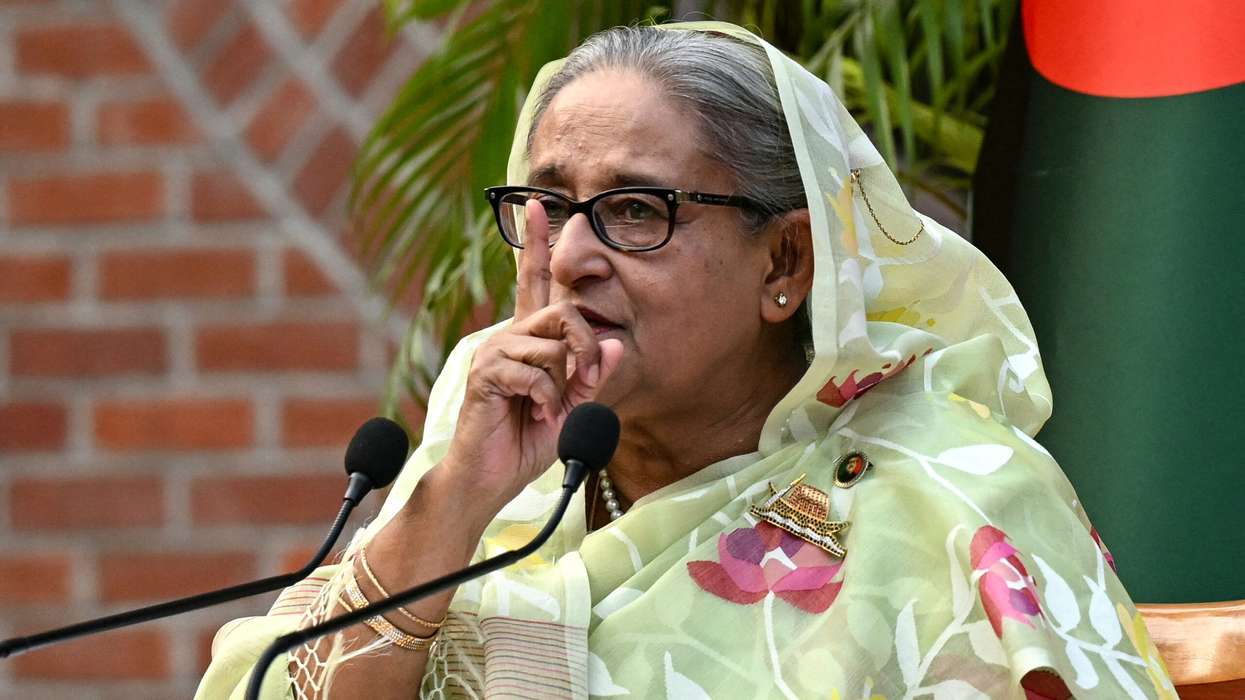
“In the first instance, such a resolution is as nonsensical as it is impractical. With social media platform X having been shut down since Feb 17, it is ironic to see that political parties, state institutions, government representatives, and legislators (including Senator Bahramand Tangi, who moved this resolution) continue to use X using virtual private networks (VPNs),” HRCP Chairman Asad Iqbal Butt said in a statement.
Access to social media has empowered ordinary citizens to exchange information, earn livelihoods, lobby for their rights and freedoms, hold duty-bearers accountable, and mobilise around social and political causes. “Any attempt to curb digital freedoms wholesale betrays a shocking ignorance of how modern democracies and economies function,” Butt added.
He also pointed out that successive governments have shut down social media for ‘security concerns’ and there is no evidence to suggest that such a step has made society any safer.