FOR millions of Muslims across Britain, Ramadan is a time of spiritual reflection, fasting and giving back to the community. But for those running businesses or managing demanding careers, the holy month also brings unique challenges in balancing faith with professional responsibilities.
Three professionals, a pharmacist and tech entrepreneur, a supermarket CEO, and a convenience store owner, have shared with Eastern Eye how they navigate Ramadan while maintaining their businesses and careers, revealing both the spiritual rewards and practical adaptations the month requires.
Yasmin Karsan, a pharmacist with over 10 years of experience and who has a master’s qualification in artificial intelligence (AI), works from home running her skin care genomics startup Peachy Healthcare, which uses genetic testing to personalise skincare. She also runs the consultancy Digital Clinical Safety as a trained clinical safety officer.
For Karsan, working from home during Ramadan has its advantages.
“During work hours, when you’re focusing on work, it’s okay to manage,” she told Eastern Eye. “It also gives you that chance to really focus on your discipline. You’re fasting, you’re not snacking, you’re not grabbing little things from the kitchen or anything like that.”
She views the time normally spent on meals as an opportunity for spiritual growth, “for contemplation, prayer, focus, to kind of realign yourself spiritually”. Karsan said Ramadan offers more than just physical discipline.
“It’s a special month in the sense you are cleansing yourself from all the junk food and things like that, but also you’re cleansing your mind, body and soul,” she said.
“It allows you to appreciate what’s important in life, how lucky we are, especially being in a country where everything is so abundant. It really gets you to a place to start thinking about charity, kindness, about putting what’s important in life at the forefront.”
Hamza Hussian, CEO of Abu Bakr Supermarket, faces different challenges. Running a supermarket that serves Yorkshire’s Muslim community means ensuring his business meets increased demand during the holy month.
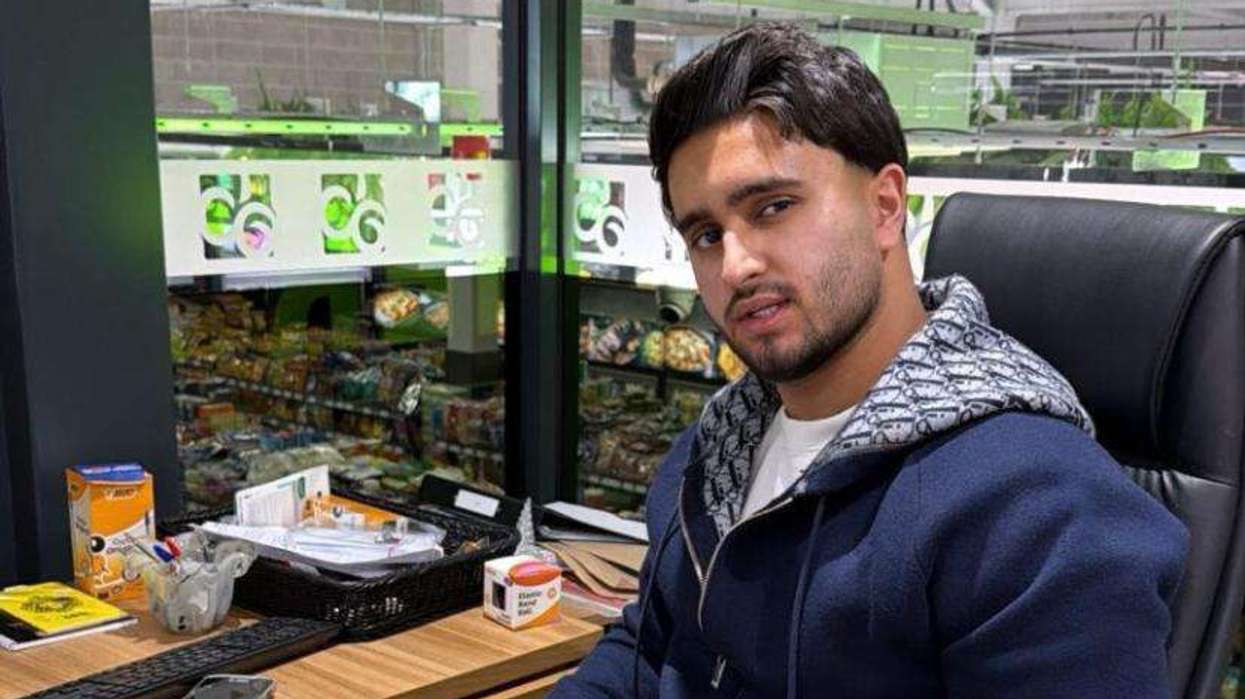 Hamza HussianHamza Hussian
“Ramadan is a religious time for us. Fasting is never an issue for me while I’m working and running the business,” he said. However, Hussian acknowledged the operational challenges, such as ensuring the stock is up to date and that customers are served.
Hussian explained the economic importance of the holy month. “Our Ramadan sale is designed to support families with affordable essentials, while also driving footfall, employment and spending across local businesses.”
He added: “As a Yorkshire-based retailer, we work closely with local suppliers and staff, meaning the increased demand we see during Ramadan has a direct and positive impact on the regional economy.”
For Sheraz Awan, the man behind Sheraz’s Westerhope Convenience Store, the approach is simpler. “I don’t work as much and hire staff during Ramadan,” he said, choosing to step back from day-to-day operations to focus on his faith.
On a personal level, Karsan, Hussain and Awan described Ramadan as spiritually transformative and said charity and community service form a central part of the holy month.
“Personally, fasting gives me peace of mind. It keeps me motivated,” said Hussian.
Karsan and her family donate to their local mosque to pay for iftar, the evening meals that break the daily fast.
“It’s important for us to educate our children on how important it is to give (during Ramadan),” she said. “They’ll go through their toys and choose which ones they want to give away.”
Hussian said, “We work with charities. Ramadan is about giving back (to good causes). We help as much as we can. We donate a lot.”
He explained the motivation behind this generosity. “In our religion, we fast because it’s an important time for us. During Ramadan, there are people who don’t have enough facilities, enough food, water or to break their fast. We have to make sure we want everyone to experience Ramadan.”
Awan’s charitable efforts are particularly notable. He continues to give away 2,000 loaves of bread free of charge every week in the UK, a commitment that extends beyond Ramadan, but takes on special significance during the holy month, supporting families in need.