
Skip to content
Search

Latest Stories

Meera Syal reveals how panto convinced her to be an actress

Earlier this year Syal received the prestigious BAFTA Fellowship, the highest honour awarded by the British Academy of Film and Television Arts.

Meera Syal reveals how panto convinced her to be an actress

Critically acclaimed actress and writer of Indian origin based in the UK, Meera Syal has revealed how a pantomime in Stoke-on-Trent convinced her to become an actress.

Syal, who is best known for such successful TV shows as Goodness Gracious Me and The Kumar’s at No. 42, told BBC Radio 4’s The Media Show that she first realised acting could be a realistic career path when she saw Dick Whittington as a child.


“This is why pantomimes are so important for kids, because it’s often their first experience of theatre and live performance,” Syal said. “I can see their makeup running and I can see their laboured breath. I pat the villain - and I smell those smells - and I go, ‘what is this place? I don't know what it is, but it's home. This is where anything is possible’. So that was the moment I realised what an actor was and that's when I fell in love with it.”

During the interview, she also spoke of being a "telly addict" and how it was a window into a world she "couldn’t imagine". "I was growing up in a little mining village. So seeing different parts of the world was all terribly exotic, but I was also excited by the storytelling," she said.

Earlier this year Syal received the prestigious BAFTA Fellowship, the highest honour awarded by the British Academy of Film and Television Arts. The award recognises Syal’s exceptional contributions to film and television and is the latest recognition of her achievements in the arts, which include being made an MBE and then a CBE by Queen Elizabeth II.


More For You

Samir Zaidi

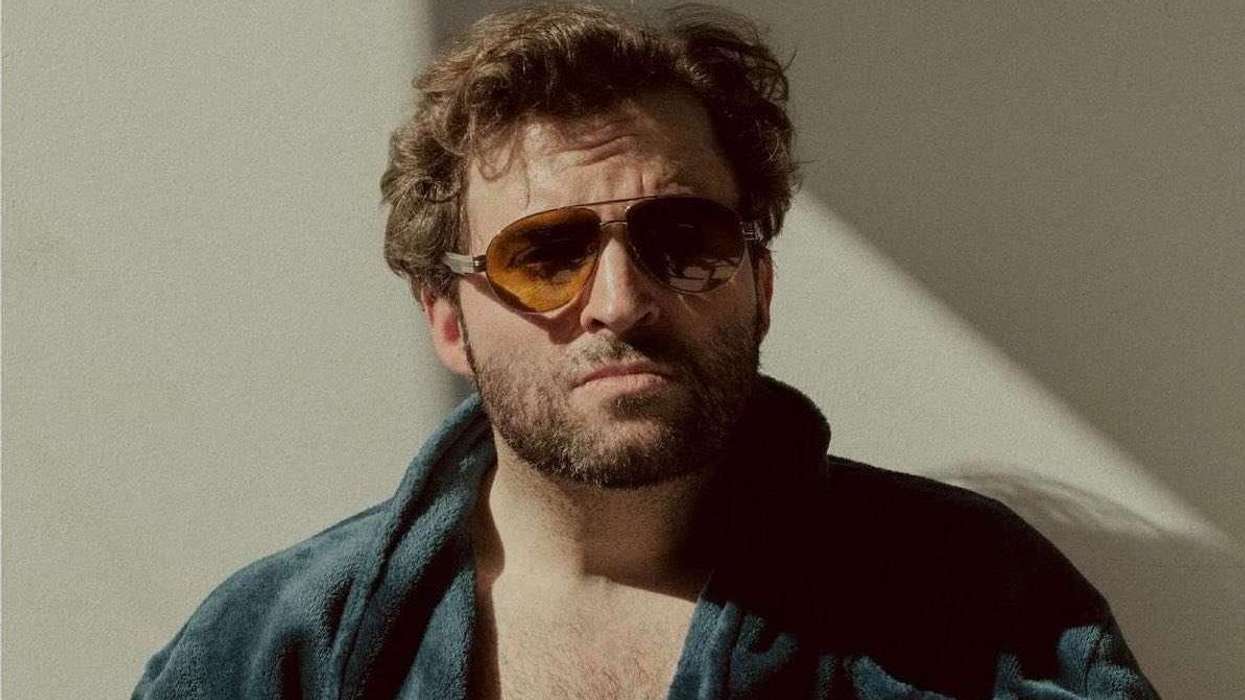
Two Sinners marks Samir Zaidi’s striking directorial debut

Samir Zaidi, director of 'Two Sinners', emerges as a powerful new voice in Indian film

Indian cinema has a long tradition of discovering new storytellers in unexpected places, and one recent voice that has attracted quiet, steady attention is Samir Zaidi. His debut short film Two Sinners has been travelling across international festivals, earning strong praise for its emotional depth and moral complexity. But what makes Zaidi’s trajectory especially compelling is how organically it has unfolded — grounded not in film school training, but in lived observation, patient apprenticeships and a deep belief in the poetry of everyday life.

Zaidi’s relationship with creativity began well before he ever stepped onto a set. “As a child, I was fascinated by small, fleeting things — the way people spoke, the silences between arguments, the patterns of light on the walls,” he reflects. He didn’t yet have the vocabulary for what he was absorbing, but the instinct was already in place. At 13, he turned to poetry, sensing that the act of shaping emotions into words offered a kind of clarity he couldn’t find elsewhere. “I realised creativity wasn’t something external I had to chase; it was a way of processing the world,” he says. “Whether it was writing or filmmaking, it came from the same impulse: to make sense of what I didn’t fully understand.”

Keep ReadingShow less