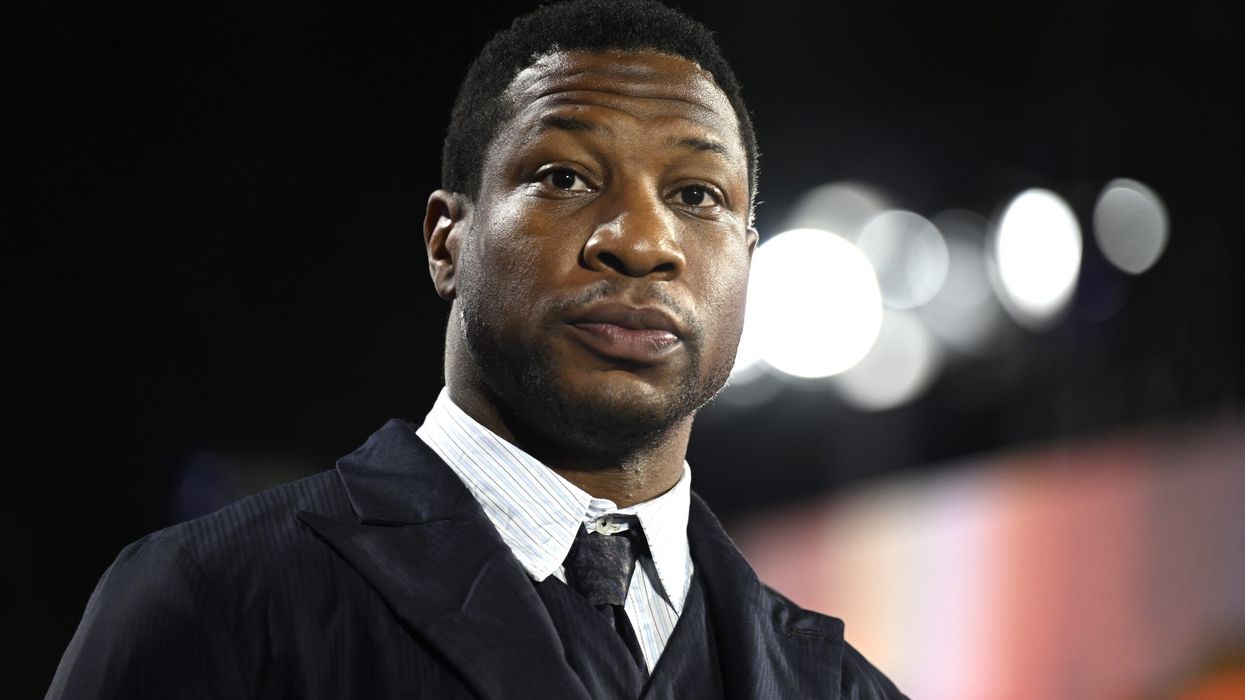

Jonathan Majors was convicted on Monday of assaulting his former girlfriend after a trial that he hoped would vindicate him and restore his status as an emerging Hollywood star. It did just the opposite: Marvel Studios and the Walt Disney Co. dropped him hours after the verdict.
A Manhattan jury found Majors, 34, guilty of one misdemeanour assault charge and one harassment violation stemming from his March confrontation with then-girlfriend Grace Jabbari. She said he attacked her in a car and left her in “excruciating” pain; his lawyers said Jabbari was the aggressor.
Majors, who was acquitted of a different assault charge and of aggravated harassment, looked slightly downward and showed no immediate reaction as the verdict was read. He declined to comment as he left the courthouse.
Marvel and Disney immediately dropped the Creed III star from all upcoming projects following the conviction, said a person close to the studio spoke on condition of anonymity because he wasn't authorized to speak publicly on the matter.
Before his arrest, Majors had been on track to become a central figure throughout the Marvel Cinematic Universe, playing the antagonist role of Kang. Majors had already appeared in Ant-Man and the Wasp: Quantumania and the first two seasons of Loki. He was to star in Avengers: The Kang Dynasty, dated for release in May 2026.
Majors, whose credits include The Last Black Man in San Francisco, Devotion” and Da 5 Bloods, had been one of the fastest-rising stars in Hollywood.
The Yale School of Drama graduate also starred as a troubled amateur bodybuilder in Magazine Dreams, which made an acclaimed debut at the Sundance Film Festival in January and was set to open in theatres this month.
Ahead of Majors' trial, Disney-owned distributor Searchlight Pictures removed Magazine Dreams from its release calendar.
Majors' sentencing was set for February 6. He faces the possibility of up to a year in jail for the assault conviction, though probation or other non-jail sentences also are possible.
Manhattan District Attorney Alvin Bragg said in a statement that the trial “illustrated a cycle of psychological and emotional abuse, and escalating patterns of coercion".
The dispute between Majors and Jabbari began in the backseat of a chauffeured car and spilled into the streets of Manhattan.
Jabbari, a 30-year-old British dancer, accused Majors of hitting her in the head with his open hand, twisting her arm behind her back and squeezing her middle finger until it fractured.
Majors' lawyers alleged that she flew into a jealous rage after reading a text message — from another woman — on his phone. They said Jabbari had spread a “fantasy” to take down the actor, who was only trying to regain his phone and get away safely.
But as Majors sought vindication from the jury, the trial also brought forth new evidence about his troubled relationship with Jabbari, whom he met on the set of Ant-Man and the Wasp: Quantumania two years ago.
Prosecutors shared text messages that showed the actor begging Jabbari not to seek hospital treatment for an earlier head injury. One message warned, “it could lead to an investigation even if you do lie and they suspect something”.
They also played audio of Majors declaring himself a “great man,” then questioning whether Jabbari could meet the high standards set by the spouses of the Rev. Martin Luther King Jr. and Barack Obama. Majors' attorneys countered that Jabbari had surreptitiously recorded her boyfriend as part of a plot to “destroy” his career.
Over four days of tearful testimony, Jabbari said Majors was excessively controlling and prone to fits of explosive rage that left her afraid “physically quite a lot”.


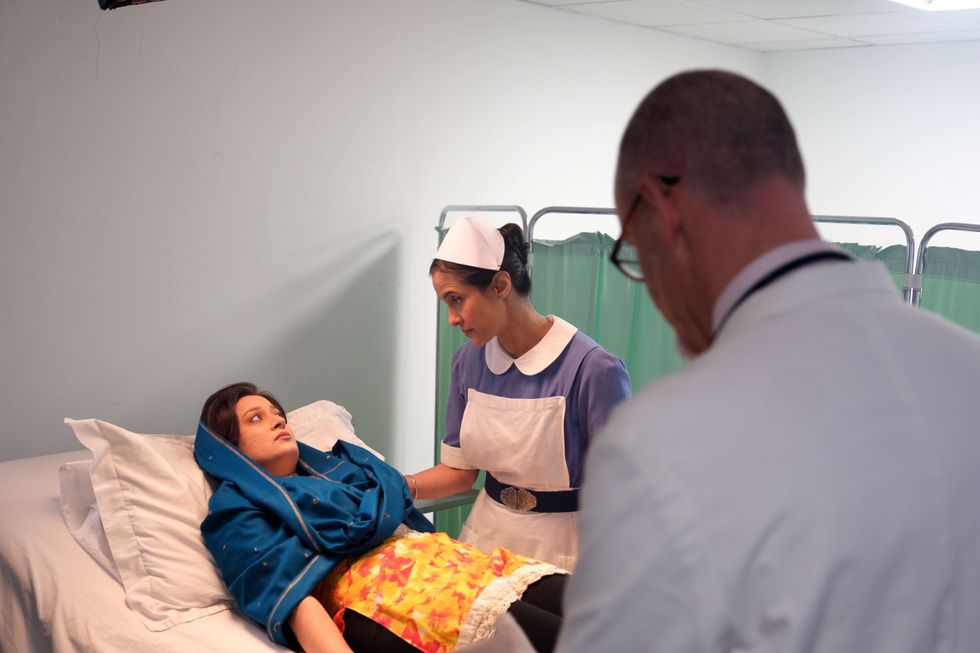 A still from the film showing nurse interacting with Simran Kaur for the virginity test.Google Drive
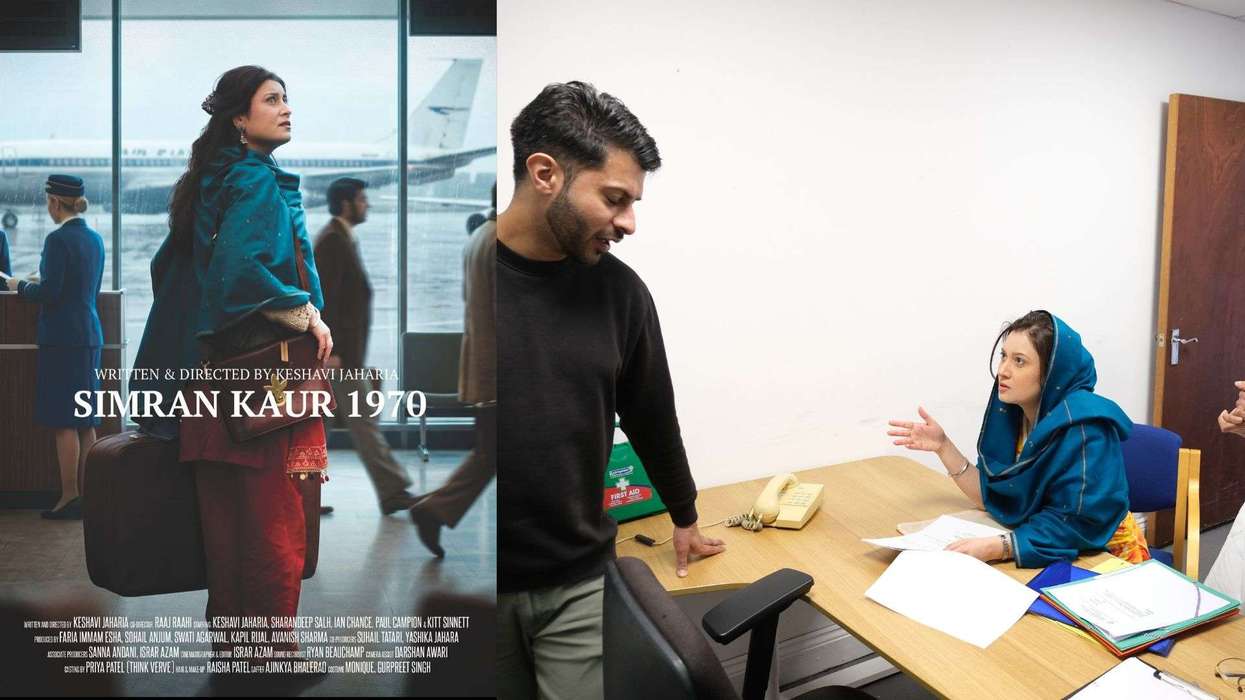
 Keshavi Jaharia as Simran KaurGoogle Drive
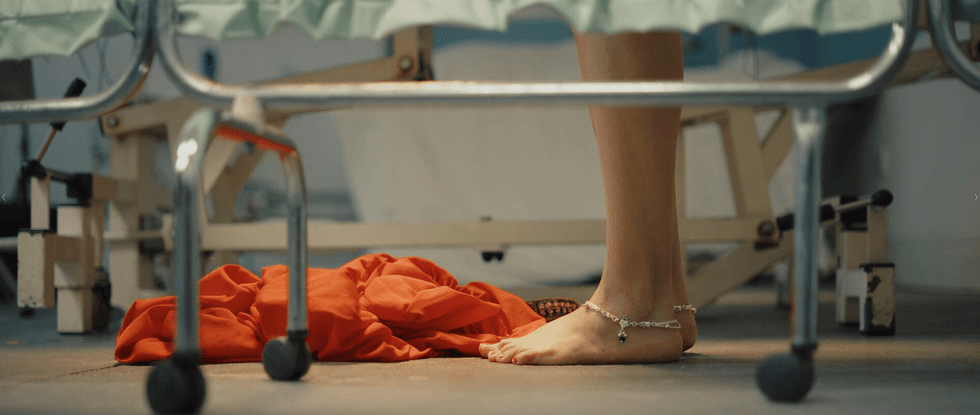 A still of the film portraying the alleged virginity testGoogle Drive
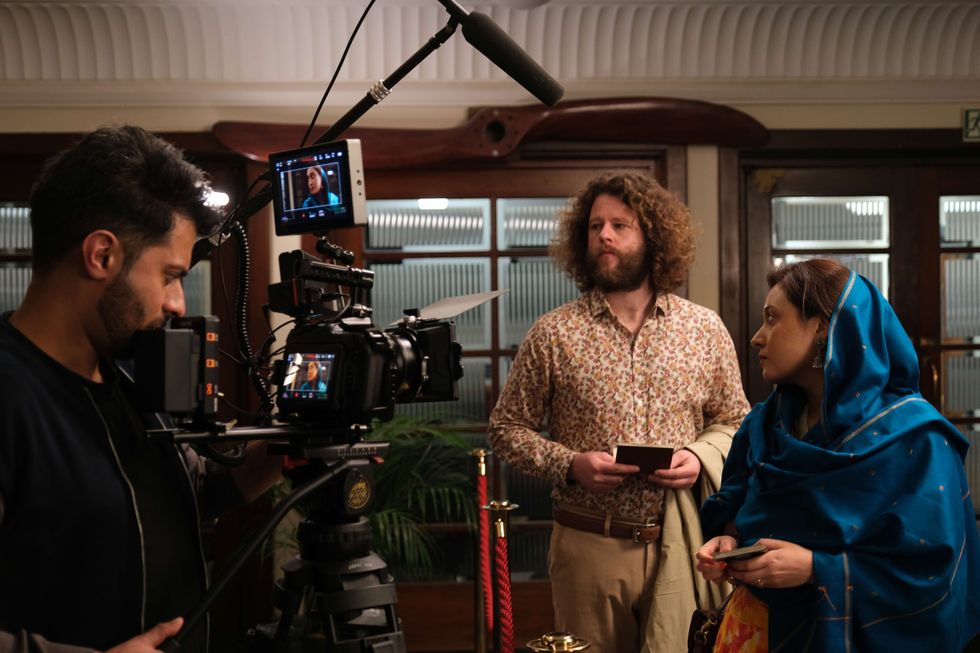 BTS of 'Simran Kaur 1970'Google Drive