
- London skyscraper construction costs have risen up to 40 per cent since 2020.
- Design choices alone can shift project costs by as much as 25 per cent.
- Developers are still betting on long-term demand despite tighter conditions.
London’s skyscraper construction costs are climbing sharply, with a new report from Turner & Townsend suggesting prices have increased by as much as 40 per cent since 2020.
The jump is being linked to a mix of factors — global inflation, stricter regulations, design upgrades and the after-effects of Brexit on trade. Together, these have made high-rise development in London far more expensive than it was just a few years ago.
Even so, the demand for premium office and mixed-use space does not appear to have dropped off entirely. According to the report, some investors are still willing to take a longer-term view, hoping that future rental markets will justify the upfront costs. But the margin for error looks thinner, and early-stage planning is becoming more critical.
A key detail from the study points to something less obvious — the shape of a building. It suggests that design decisions can shift costs by up to 25 per cent, meaning two towers of similar height could carry very different price tags depending on how they are built.
A new phase for London’s skyline
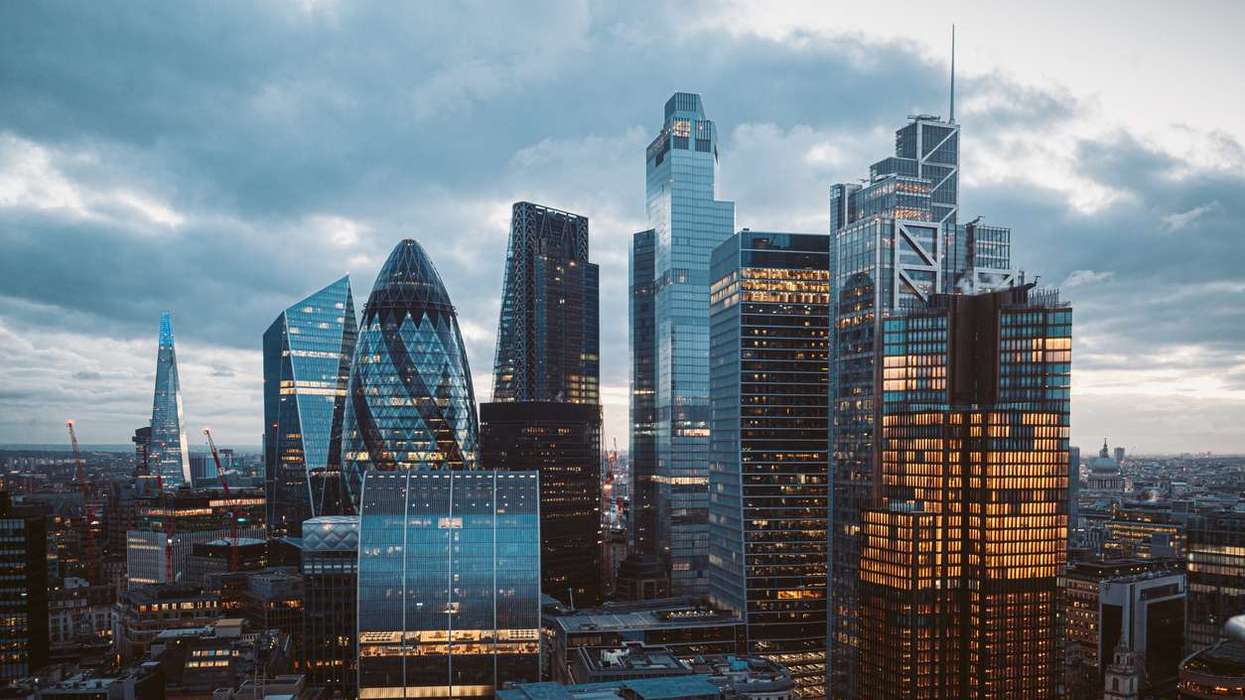
London’s high-rise development has moved through several phases over the past three decades, each shaped by different priorities. Early landmark projects like The Shard helped define the visual identity of height in the city.
Later developments such as 22 Bishopsgate leaned more towards efficiency, focusing on usable space and tenant amenities. More recent projects have started to reflect environmental concerns and user wellbeing, while newer proposals appear to be blending private developments with public access, adding viewing galleries and shared spaces.
The report suggests London may now be entering another phase — one where value and practicality take centre stage, as developers try to balance ambition with tighter financial realities.
Steve Watts, head of tall buildings at the firm, said demand for high-rise buildings remains strong globally but London has faced a tougher period, as quoted in a news report. He noted that rising construction costs, difficult financing conditions and weaker returns are making project viability the main concern, reportedly adding that many developers are now focused on doing “more with less”.
In that sense, London’s skyline is still evolving — just under far more pressure than before.