
India have ruled opening batsman Lokesh Rahul out of the first Test against Sri Lanka starting Wednesday (26) due to viral fever.
Rahul, who scored a half-century in a two-day warm-up match last week, stayed in Colombo as the rest of the squad practised in Galle.
The Board of Control for Cricket in India said Monday (24) that Rahul has "no major health concerns" but will miss the first Test as a "precautionary measure".
Rahul, who missed the Champions Trophy last month and a short tour of the West Indies with a shoulder injury, played a vital role in India's Test series win over Australia in March despite getting injured during the first match.
The 25-year-old averages over 44 in 17 Tests since making his debut for India against Australia at Melbourne in 2014. He has scored four hundreds and seven half-centuries.
Shikhar Dhawan, who replaced injured Murali Vijay in the 16-man squad for the three-Test series, and Abhinav Mukund are the other openers in the Indian squad.
India, the world number one side, are to play three Tests in Sri Lanka.


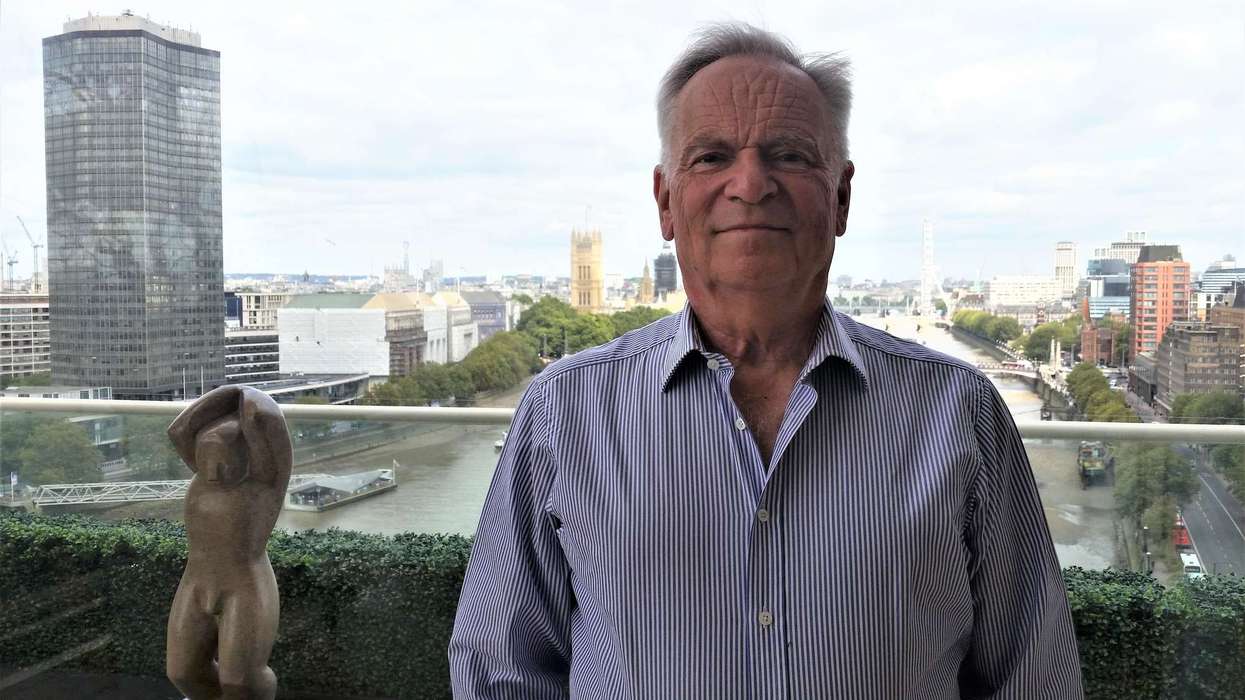
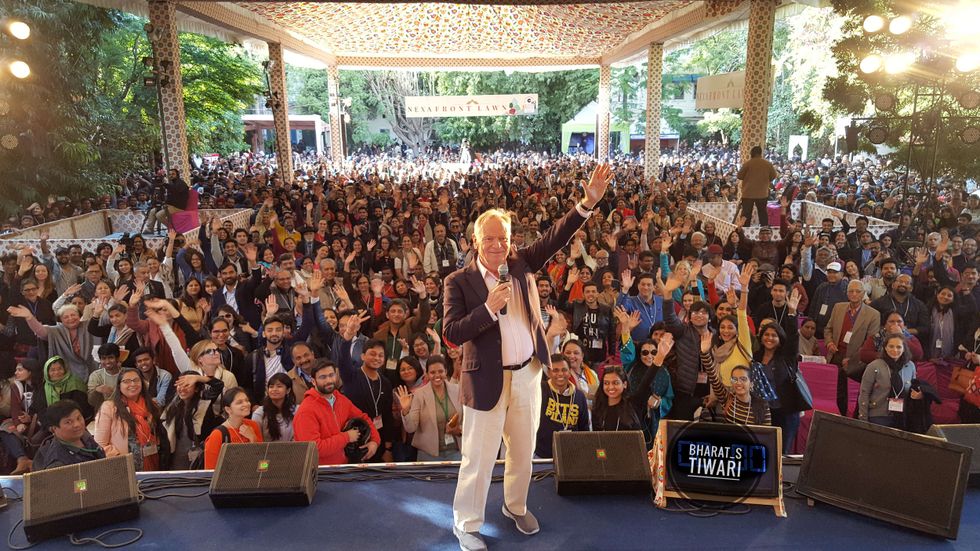 Jeffrey Archer at Jaipur Literary Festival in 2019Eastern Eye
 Jeffrey Archer part of the menuAmit Roy
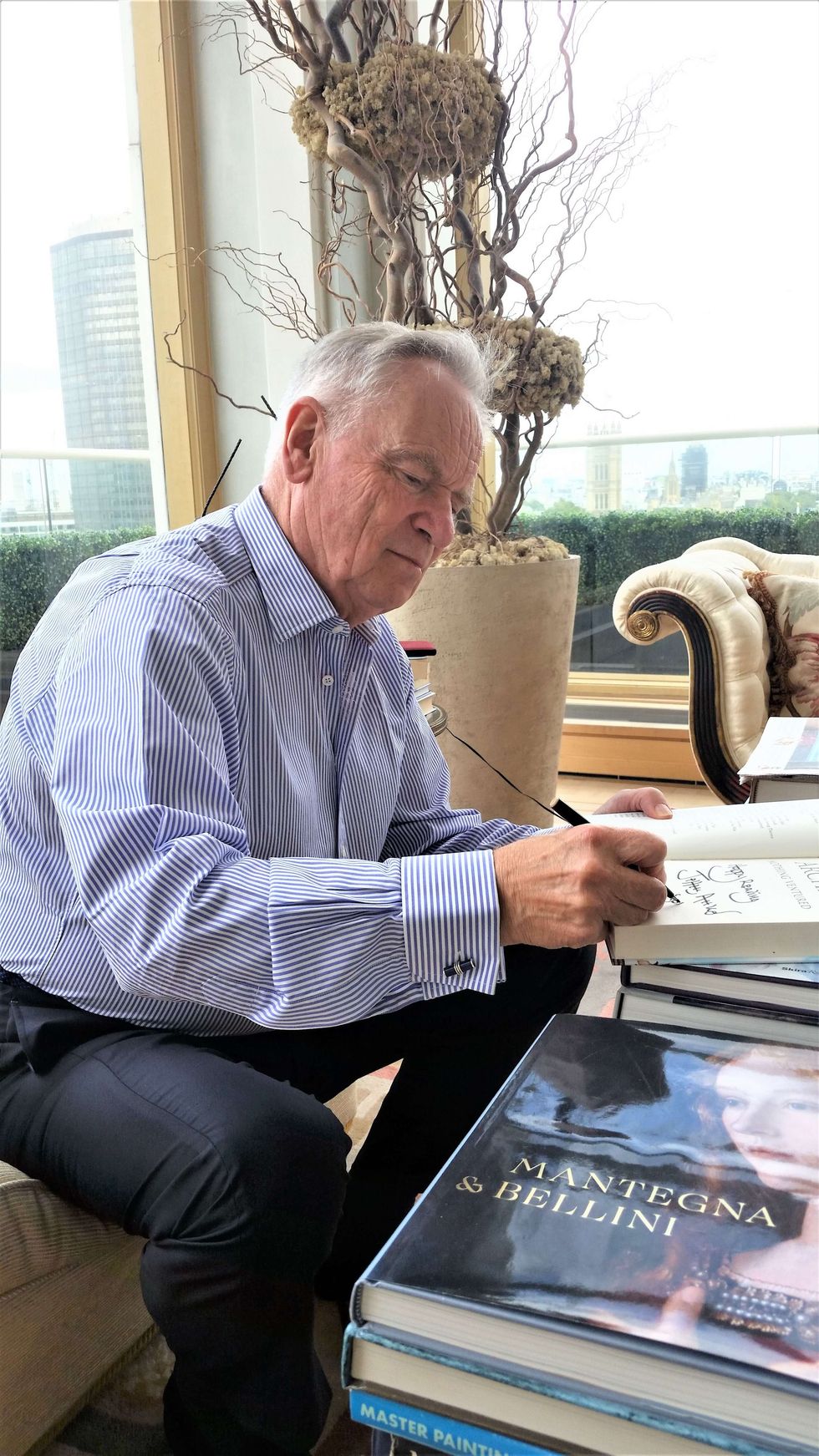 Jeffrey Archer signing a book Amit Roy
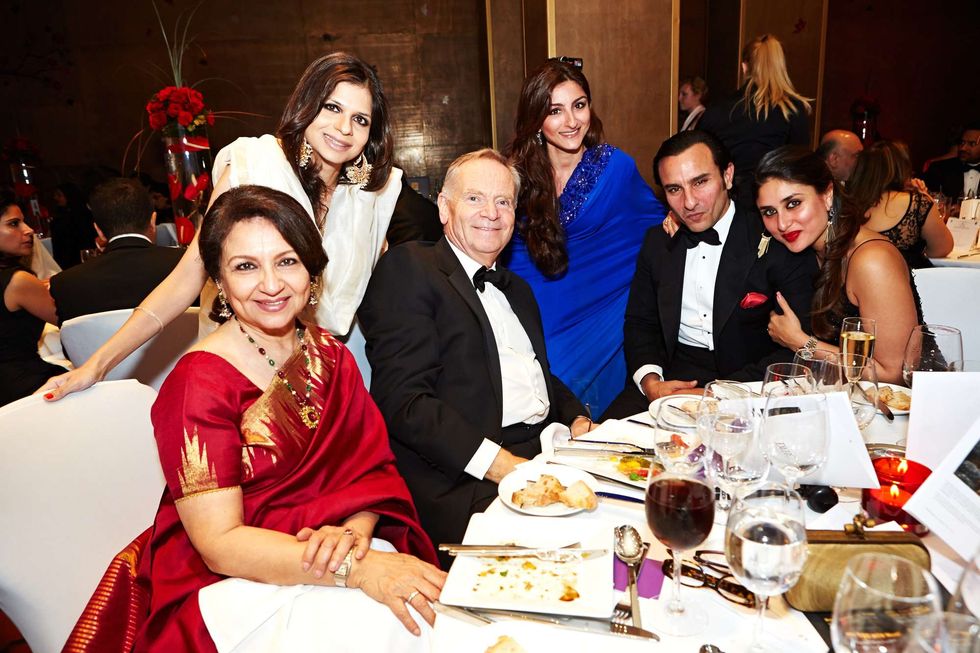 Jeffrey Archer with Sharmila Tagore and her family at an auction dinner in London in 2013Eastern Eye
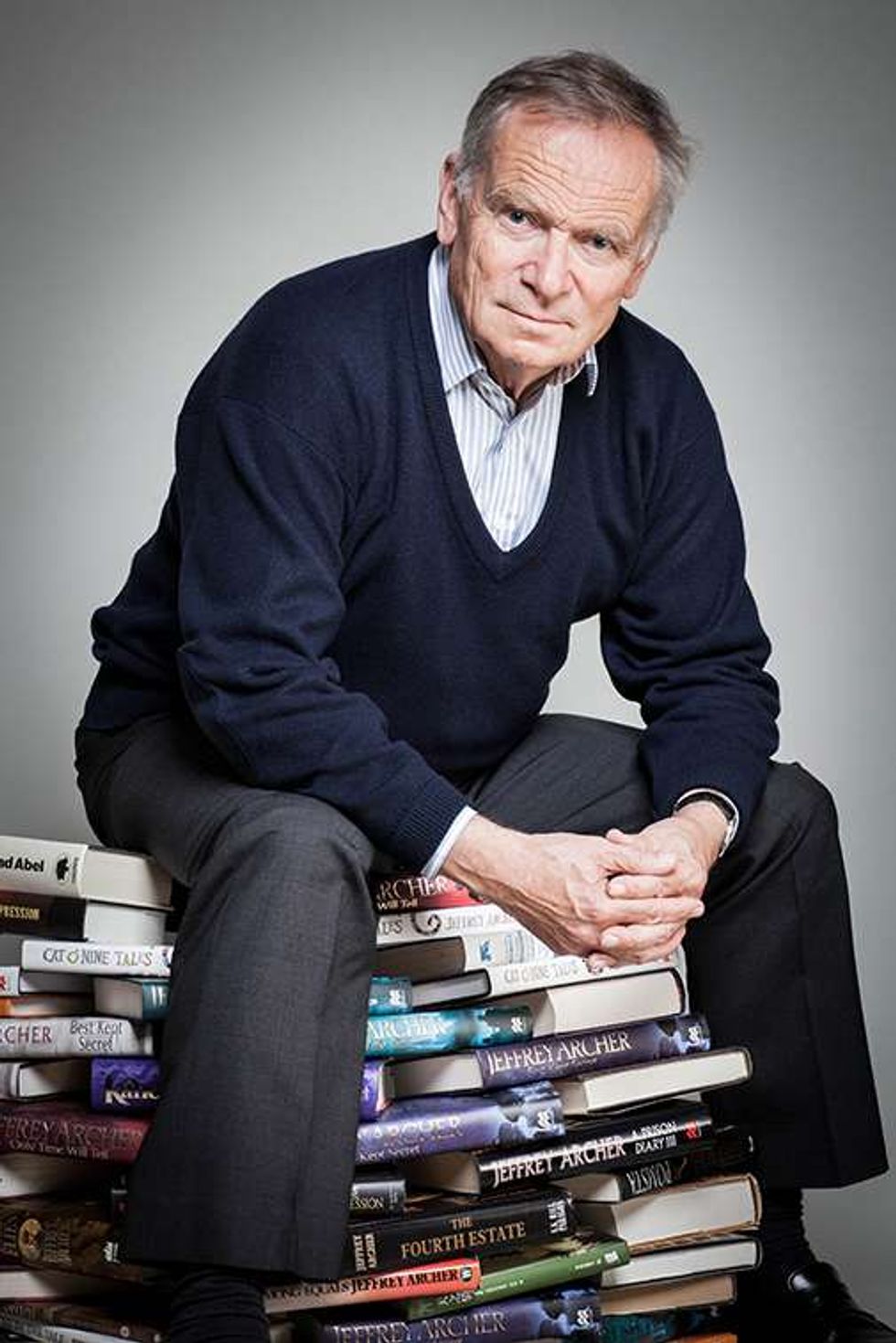 Jeffrey Archer Eastern Eye
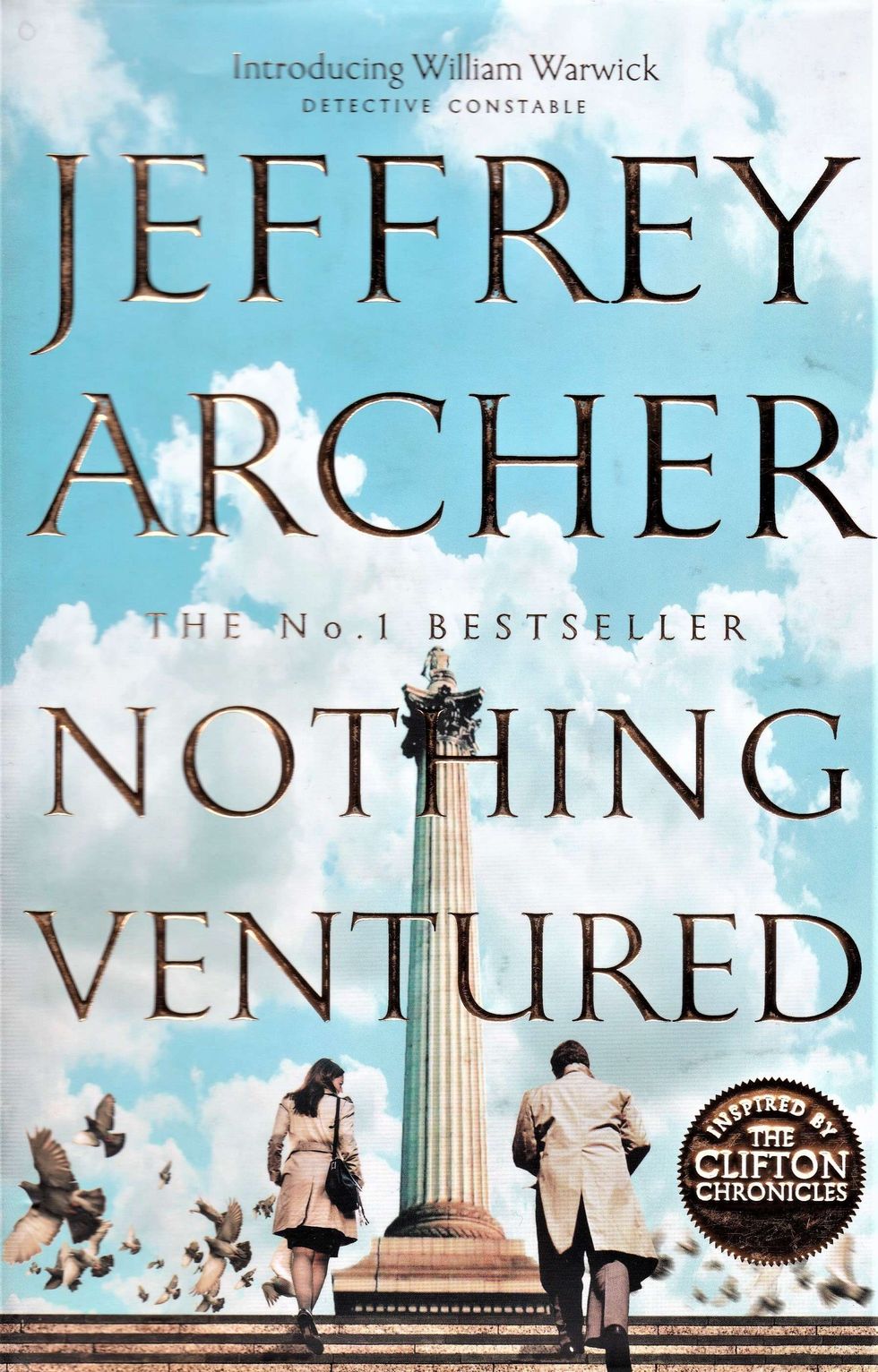 Cover of one of his booksEastern Eye