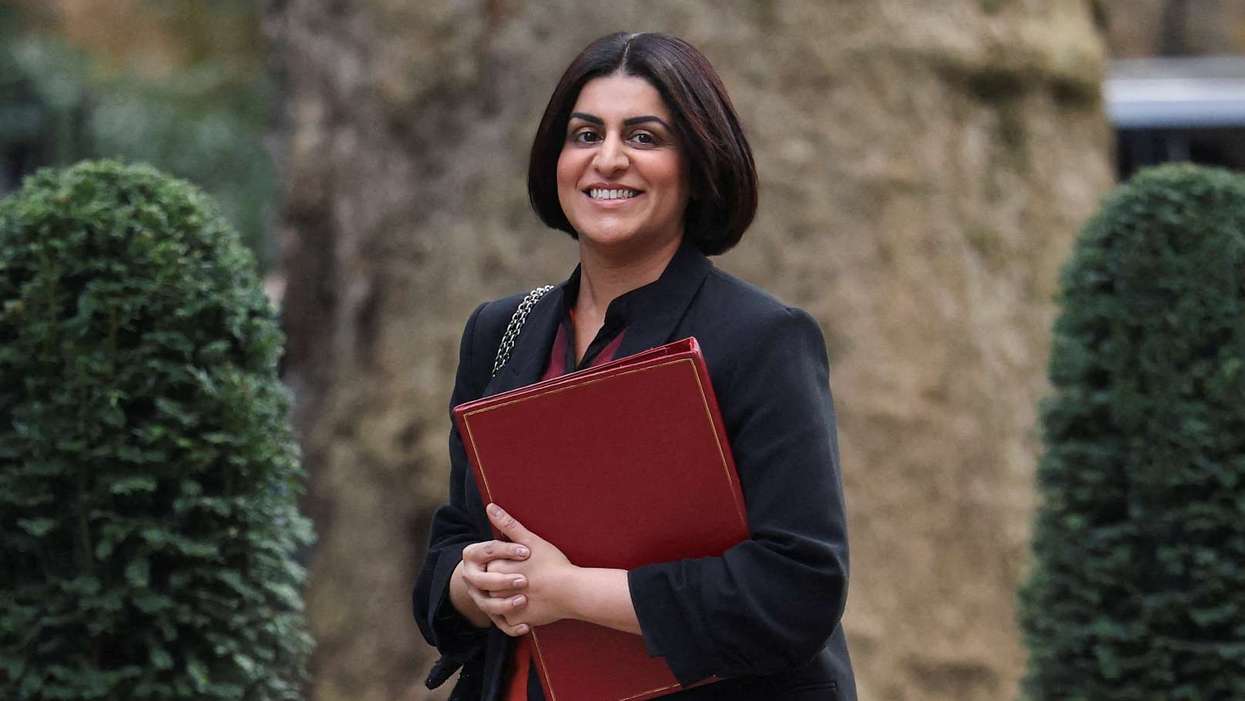
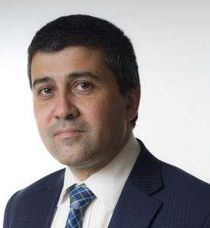
That home secretary Shabana Mahmood tops this year’s GG2 Power List reflects her role in a great office of state with responsibility for the government’s toughest issue: immigration. Yet the home secretary finds herself in a tug of war over the voice and policy of the government on immigration. The signs this week were of a government seeking to both soften and harden its approach to immigration, on different fronts, at the same time.
Prime minister Sir Keir Starmer sent his strongest signal yet that the home secretary’s backbench critics have persuaded him of the need to rethink and rebalance her major reforms to settlement. People wanted rules that are clear, but also “compassionate and fair”, he said. He had found “powerful” the case made by care workers - recently amplified by his former deputy prime minister Angela Rayner - about the impact of trebling how long they would have to wait, from five years to fifteen years, before they knew that they could stay in Britain.
But there was tougher news for students from Afghanistan and Sudan, who will now be banned from coming to Britain to study, along with those from Cameroon and Myanmar. The Home Office says too many students from those countries have gone on to make asylum claims to let any more in. There is increasingly rigorous scrutiny of student visa applications from other countries - so that half of applications from prospective Bangladeshi and Pakistani students are currently being rejected. But there is a foundational difference between that and a blanket country ban, which instrumentalises talented individual students from the world’s poorest countries as bargaining chips in diplomatic negotiations.
Half a dozen Sudanese and Afghan students - with offers from Cambridge, Oxford and UCL - will ask the courts to challenge the government’s refusal to let them into the country. The Home Office says it cannot make exceptions, despite the Foreign Office pressing it to do so. So a Labour government which rightfully denounces the Taliban at the United Nations for denying girls an education has now itself banned Afghan women from British universities. How far does banning Afghan men as well really mitigate that?
Yet I heard a very different conversation about welcoming refugees to Britain, just across the road from the Home Office itself, in the Emmanuel Centre in Westminster last Wednesday (25). Citizens UK held a summit to launch a new push for community sponsorship of refugees. Home Office minister Alex Norris was there to confirm what he described as the government’s “good faith” commitment to opening up the missing new routes to give refugees a safe and controlled way to come to the UK. The minister pledged imminent progress this year on a strand of the government’s asylum agenda that had been overshadowed by tougher messages in recent months.
“This is a bet on the British people”, Norris said, noting how - despite public frustrations about handling of asylum policy - so many people had stepped up for Afghans and Syrians, Ukrainians and Hong Kongers. How striking it was to hear Home Office official Paul Morrison, a veteran pioneer of the Homes for Ukraine and Syrian resettlement schemes, say that the rare and valuable thing about community sponsorship was that it was a public policy founded on the value of love, as local people joined together to welcome a stranger. He was preaching largely to the converted as Citizens UK had gathered those from across faiths and secular civic society committed to making community-based welcoming happen. Yet there is a much wider opportunity since community sponsorship has, in principle, the potential to get right so many things that the disastrous dispersal policies, of stranding asylum seekers in limbo in hotels, got wrong - by giving people the voice, power and control to welcome refugees to their local communities.
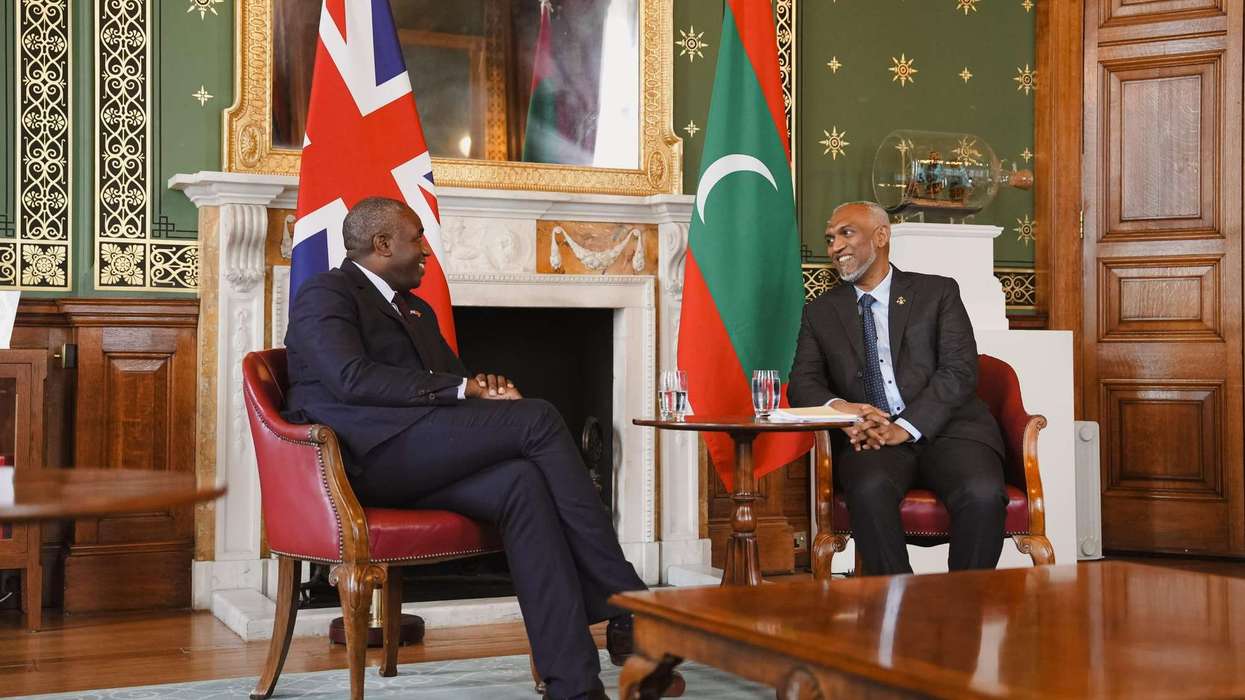
Later that evening, David Lammy was declaring himself to be a “proud son of the Windrush generation” as he accepted the GG2 Hammer Award as Britain’s first ethnic minority deputy prime minister. Lammy staked a claim to Indian heritage too, since his family roots in Guyana’s melting pot include a maternal great-grandmother from Calcutta. Lammy’s message was that the challenge of this generation was to defend once again the contribution of immigration and the presence of Britain’s ethnic diversity, when the authoritarian right increasingly talks not of merely slowing down the pace of immigration, but of aggressively reversing demographic change.
Could this government find its way through to blending control and compassion - rather than seeming to flip between them? That would be more difficult without deeper cooperation in the Channel, though tense UK-French negotiations to renew current efforts were going to the wire this week. The common ground in the sharply contested immigration arguments is that the stakes are high - not simply for the political fortunes of the current government, but for the future climate of British society.