Skip to content
Search

Latest Stories

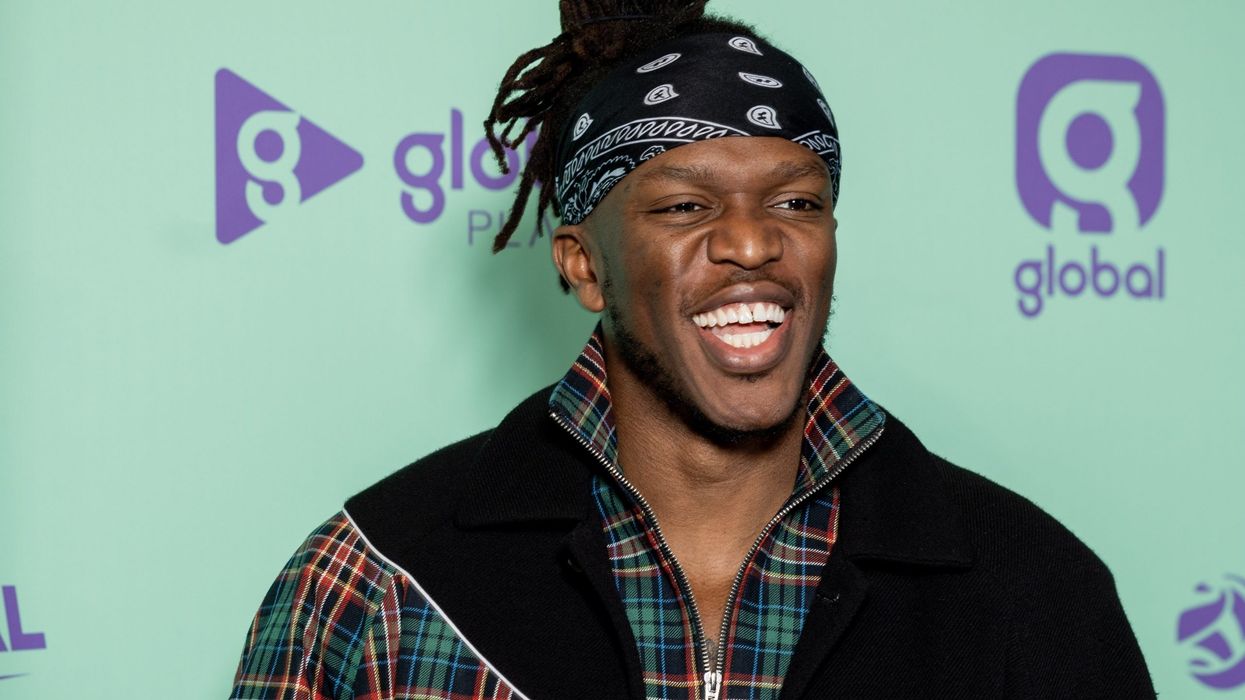
KSI apologises for using P word against South Asians, to take a break from social media

The 29-year-old used the derogatory term aimed at people of south Asian heritage while he was involved in a Countdown challenge with the group, The Sidemen

KSI apologises for using P word against South Asians, to take a break from social media

Influencer KSI has apologised for using the racist slur P**i in a YouTube video and has said he will be taking a break from social media.

The 29-year-old used the derogatory term aimed at people of south Asian heritage while he was involved in a Countdown challenge with the group, The Sidemen.


It prompted a widespread backlash and teacher and broadcaster Mehreen Baig criticised him for “casually throwing around a word that has consistently been used to bully and attack south Asians”.

Later, KSI said on Twitter, “I wanna apologise for saying a racial slur in a recent Sidemen video. There’s no excuse, no matter the circumstances, I shouldn’t have said it and I’m sorry."

“I’ve always said to my audience that they shouldn’t worship me or put me on a pedestal because I’m human. I’m not perfect, I’m gonna mess up in life, and lately I’ve been messing up a lot. So I’ve decided I’m gonna just take a break from social media for a while.”

KSI, whose real name is Olajide William Olatunji, is a social media influencer with more than 20 million subscribers on YouTube; he also has successful careers in boxing, music and business with his popular Prime energy drink brand.

More For You

Samir Zaidi

Two Sinners marks Samir Zaidi’s striking directorial debut

Samir Zaidi, director of 'Two Sinners', emerges as a powerful new voice in Indian film

Indian cinema has a long tradition of discovering new storytellers in unexpected places, and one recent voice that has attracted quiet, steady attention is Samir Zaidi. His debut short film Two Sinners has been travelling across international festivals, earning strong praise for its emotional depth and moral complexity. But what makes Zaidi’s trajectory especially compelling is how organically it has unfolded — grounded not in film school training, but in lived observation, patient apprenticeships and a deep belief in the poetry of everyday life.

Zaidi’s relationship with creativity began well before he ever stepped onto a set. “As a child, I was fascinated by small, fleeting things — the way people spoke, the silences between arguments, the patterns of light on the walls,” he reflects. He didn’t yet have the vocabulary for what he was absorbing, but the instinct was already in place. At 13, he turned to poetry, sensing that the act of shaping emotions into words offered a kind of clarity he couldn’t find elsewhere. “I realised creativity wasn’t something external I had to chase; it was a way of processing the world,” he says. “Whether it was writing or filmmaking, it came from the same impulse: to make sense of what I didn’t fully understand.”

Keep ReadingShow less