By Trusha Dawada
WITH India battling the second wave of the coronavirus pandemic amid lack of oxygen, hospital beds, vaccines and other medical supplies - people of the Indian diaspora living abroad are reaching out with aid and support.
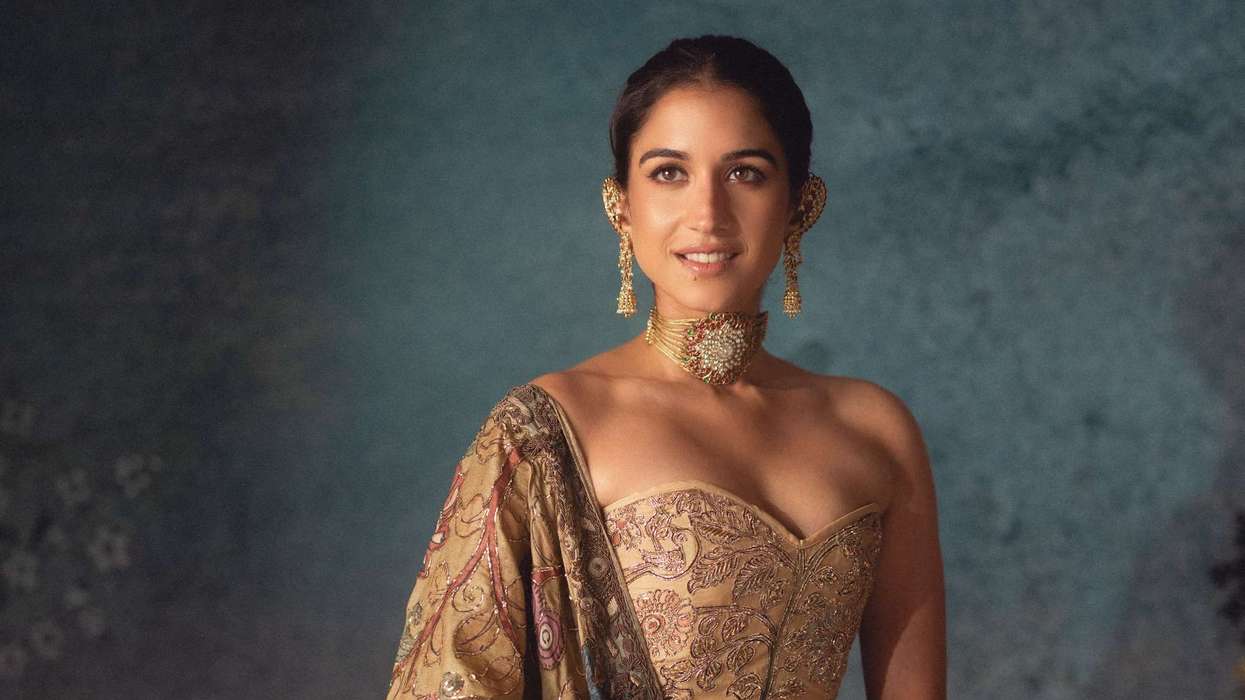
Similarly Jay Shetty, author and purpose coach, and his wife Radhi Devlukia-Shetty, felt compelled to do something. In 48 hours they called up their friends and organised a virtual fundraiser ‘Help India Breathe’ on Saturday (May 1).
As the event drew to a close in the evening, $3 million dollars were raised, with social media channels still open for donations over the next two weeks.
Partnering with Indiaspora, a non-profit organisation, stepped up and donated $1 million. Vinod Khosla, an Indian-American businessman, venture capitalist and co-founder of Sun Microsystems also offered $1 million.
As little as one dollar was welcome for donation as Sean Mendes donated $50,000 and YouTube $100,000.
Celebrities including Kunal Nayyar, Jahanvi Harrison, Willow Smith and Deepak Chopra being part of the event urged people to give donations and help India in its fight against the pandemic.
India is struggling to contain the surge of the pandemic with more than 3,00,000 daily new coronavirus cases being reported in the past few days, and hospitals are reeling under a shortage of medical oxygen and beds.