
Highlights
- Iran warns of further attacks on US and Israel after Trump’s remarks
- Missiles fired at Tel Aviv; casualties reported as light
- Conflict spreads across West Asia, impacting global markets
- Oil prices surge as uncertainty over war continues
IRAN on Thursday warned of further attacks on the United States and Israel, and fired missiles at Tel Aviv after US president Donald Trump said he would bomb the country “back to the Stone Ages”.
The conflict, which began more than a month ago with US-Israeli strikes on Iran, has spread across West Asia and affected the global economy.
In a prime-time address from the White House, Trump said the United States was “very close” to its objectives but warned strikes would continue if Iran did not agree to a settlement.
“Over the next two to three weeks, we are going to bring them back to the Stone Ages, where they belong,” he said in a 19-minute speech.
ALSO READ: Tehran rocked by blasts as Trump says war may end soon
Iran responded with missile attacks, with Israeli air defences activated and police called to “several” impact sites. Media reports said four people were lightly injured in the Tel Aviv area.
Iran’s military command centre Khatam Al-Anbiya said the US and Israel should expect “more crushing, broader, and more destructive actions”.
“With trust in Almighty God, this war will continue until your humiliation, disgrace, permanent and certain regret, and surrender,” the statement said.
The attacks came as Jewish Israelis marked Passover, with some gathering in shelters.
“This is not my first choice,” said a writer who gave his name as Jeffrey.
“But at least in the shelter, we can sit here and just ride it out,” he said.
Trump said talks could be possible with Iran’s new leadership, which he described as “less radical and much more reasonable”. However, Iran rejected US demands.
ALSO READ: Trump tells UK and other countries to 'go get your own oil'
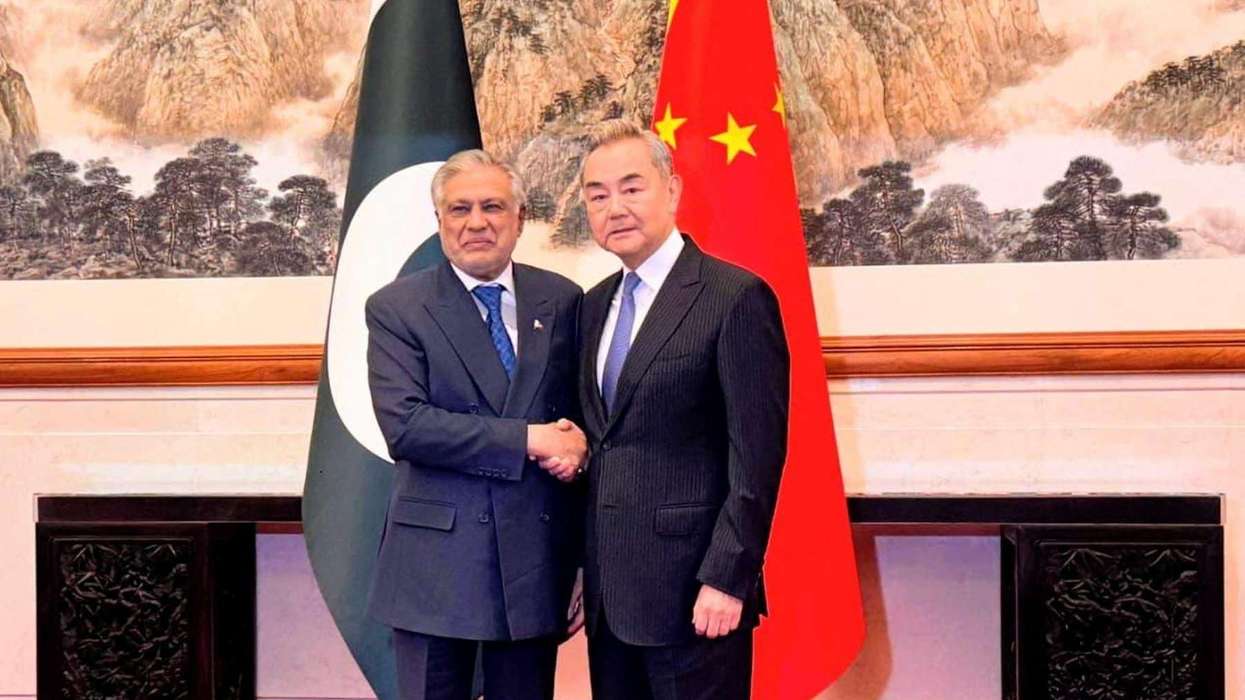
“Messages have been received through intermediaries, including Pakistan, but there is no direct negotiation with the US,” said Iranian foreign ministry spokesman Esmaeil Baqaei.
Trump also warned that if no agreement was reached, Washington had “our eyes on key targets including the country's electric generating plants”.
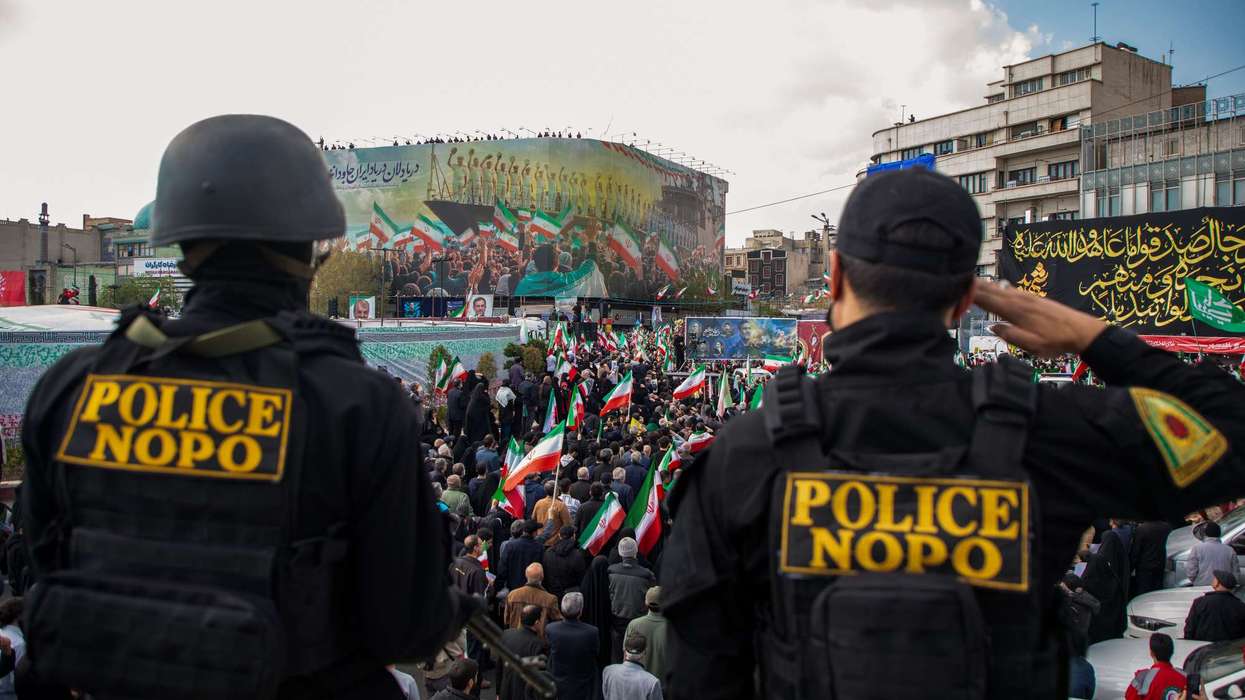
In Tehran, people at the funeral of a Revolutionary Guards naval commander killed in an Israeli strike expressed support for continuing the war.
“This war has lasted a month. However long it takes, we will continue,” said Moussa Nowruzi, a 57-year-old pensioner.
“We will resist until the end.”
In Lebanon, Hezbollah said it launched drones and rockets at northern Israel, while Israeli authorities said air raid sirens were activated. A day earlier, an Israeli strike in Beirut killed a senior Hezbollah commander, according to two sources, while Lebanon’s health ministry said seven people were killed.
ALSO READ: Tanker attack in Gulf adds to tensions as US weighs ending Iran war
Lebanese authorities say Israeli attacks have killed more than 1,300 people in the country since March 2, when fighting between Israel and Iran-backed Hezbollah escalated.
The conflict has also affected Gulf countries, with the United Arab Emirates saying its air defences responded to missile and drone “threats”.
Trump said the United States would not allow allies including Israel, Saudi Arabia, Qatar, the UAE, Kuwait and Bahrain to “get hurt or fail in any way, shape or form”.
The war has drawn attention to the Strait of Hormuz, through which about one-fifth of the world’s oil passes. Iran’s Revolutionary Guards have said it will remain closed to the country’s “enemies”, while Trump has called for it to be reopened.
Britain is hosting a meeting of about 35 countries to discuss restoring navigation through the strait.
“The root cause of interruptions to navigation through the Strait of Hormuz is the United States and Israel's illegal military operations against Iran,” China’s foreign ministry spokeswoman Mao Ning said.
“Military means cannot fundamentally solve the problem,” she said, calling for an end to the war.
The US embassy warned that “Iraqi terrorist militia groups aligned with Iran may intend to conduct attacks in central Baghdad in the next 24-48 hours,” and urged Americans to leave.
ALSO READ: Houthi attacks raise fears of wider conflict
Global markets reacted to Trump’s speech, with oil prices rising and stocks falling.
Brent crude rose almost seven per cent to $108.15 a barrel, while West Texas Intermediate increased more than six per cent to $106.75.
Analyst Stephen Innes said: “The message was not one of panic, but it was unmistakably one of unfinished business. And in markets, unfinished business is oxygen for volatility.
“So oil did what oil always does when the illusion cracks. It surged, not because the war suddenly worsened, but because the market had prematurely priced in the expectation that it would end.”
Michael Brown of Pepperstone said investors “wanted to hear a bit more than the president provided” and that he “failed to give a definitive timeframe for ending the conflict”.
He added: “The last couple of days have again proven that risk assets are acting in a manner akin to a coiled spring, ready to rip higher on even an inkling of good news.
“But it remains the case that the war is not yet over, commodity supply continues to tighten, and that the full macroeconomic implications of the conflict will only become clear in the fullness of time”.
World Bank Managing Director Paschal Donohoe said: “We are extremely concerned regarding the effect that this will have on inflation, on jobs and on food security.”
The economic impact is being felt in multiple countries. Airlines in China said they would increase fuel surcharges, Malaysian civil servants were asked to work from home, and Bhutan raised fuel prices.
“I don't know what to say. It's not like our government is responsible, they are trying their best despite the war in West Asia and price hike in India,” said Karma Kalden, a resident of Thimphu.
South Korean president Lee Jae Myung proposed a $17.2 billion supplementary budget and said the government “is treating the economy as being on a wartime footing”.
Australian prime minister Anthony Albanese said: “Now those objectives have been realised it is not clear what more needs to be achieved or what the end point looks like.”
Trump said the United States was nearing its goals and would continue strikes.
“We are going to finish the job, and we're going to finish it very fast. We're getting very close,” he said.
(With inputs from agencies)