- A gas tanker accident left commuters stranded for up to 18 hours.
- Dr Sudhir Mehta hired a helicopter after being stuck for nearly eight hours.
- He urged authorities to create emergency exits and helipads along the expressway.
An 18-hour traffic standstill on the Mumbai–Pune Expressway forced hundreds of commuters to wait it out inside their vehicles. One of them chose a different route — straight up.
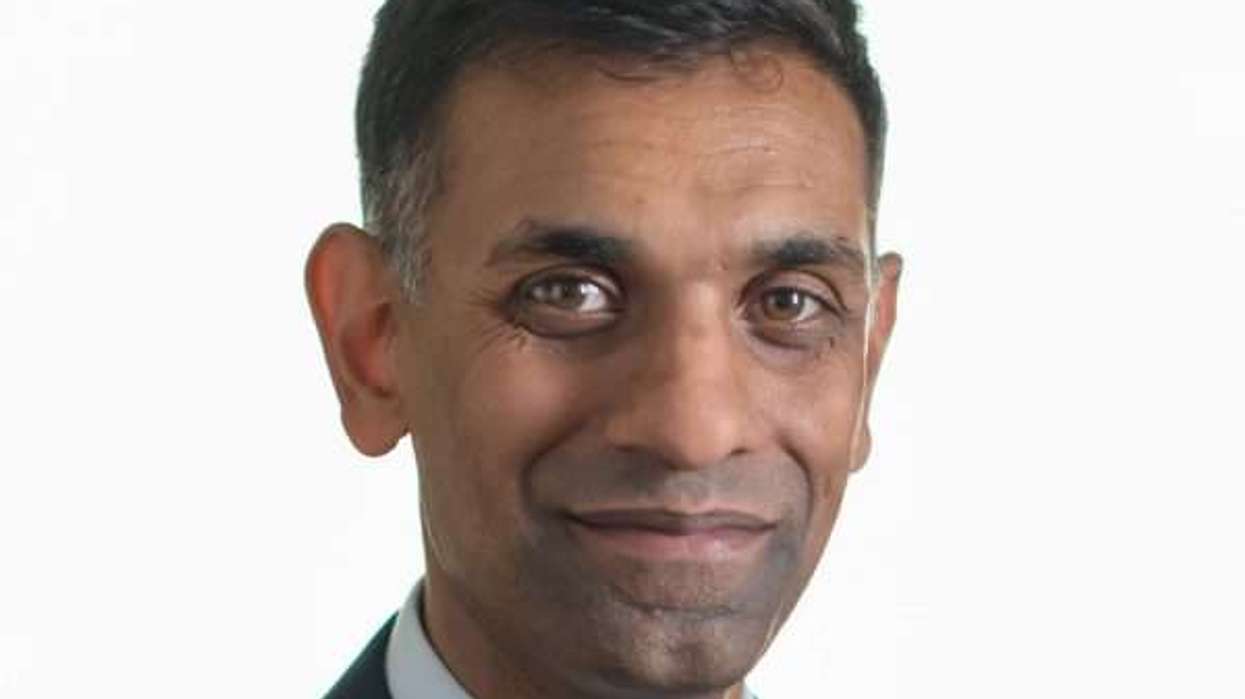
Industrialist Dr Sudhir Mehta, chairman of EKA Mobility and Pinnacle Industries, arranged a helicopter to reach Pune after being stuck for nearly eight hours in the massive queue. He later posted aerial footage of the gridlock on X, describing the situation as a failure in managing highway emergencies.
“Lacs of people are stuck on the Mumbai-Pune expressway for the last 18 hours for one gas tanker,” Mehta reportedly wrote, urging authorities to create emergency exit points so vehicles could be turned back safely during such incidents.
One accident, miles of chaos
The disruption began around 5 pm on Tuesday after a gas tanker carrying propylene overturned near the Adoshi Tunnel in the Khandala Ghat section. The tanker reportedly developed a continuous gas leak, prompting police to shut traffic towards Mumbai and divert vehicles as a safety precaution.
Even with diversions in place, normal movement could not be restored for hours. Many commuters remained stranded well into the next day.
The Mumbai–Pune Expressway, stretching 94.5 km, is India’s first six-lane, access-controlled concrete highway. It links Mumbai, Navi Mumbai and Raigad with Pune and carries heavy daily traffic, including commercial vehicles. When movement stops, the backlog builds quickly.
Mehta thanked aviation expert and Air Force veteran Nitin Welde for helping arrange the helicopter. His escape, however, sparked mixed reactions online.
Helipads or better planning?
In his posts, Mehta suggested the expressway should have designated emergency turn-back points. He also proposed mandatory helipads at key locations along the route, reportedly saying they would cost less than ₹10 lakh and require less than an acre of land.
“These should be compulsory at key locations,” he reportedly said, arguing that such facilities could assist in emergency evacuations.
Not everyone agreed. Several social media users questioned whether helipads would realistically help in large-scale traffic crises involving thousands of vehicles. Others said the focus should be on faster accident response, better coordination between agencies and clearer diversion systems.
The episode has once again drawn attention to how major highways handle emergencies, especially when hazardous materials are involved. While accidents are not uncommon on the hilly Khandala stretch, prolonged shutdowns of this scale are less frequent but deeply disruptive.
For many stranded commuters, the helicopter footage may have underscored the contrast between those who can lift off and those who cannot. The wider issue, however, remains how a single tanker accident brought one of India’s busiest highways to a standstill for nearly a full day.