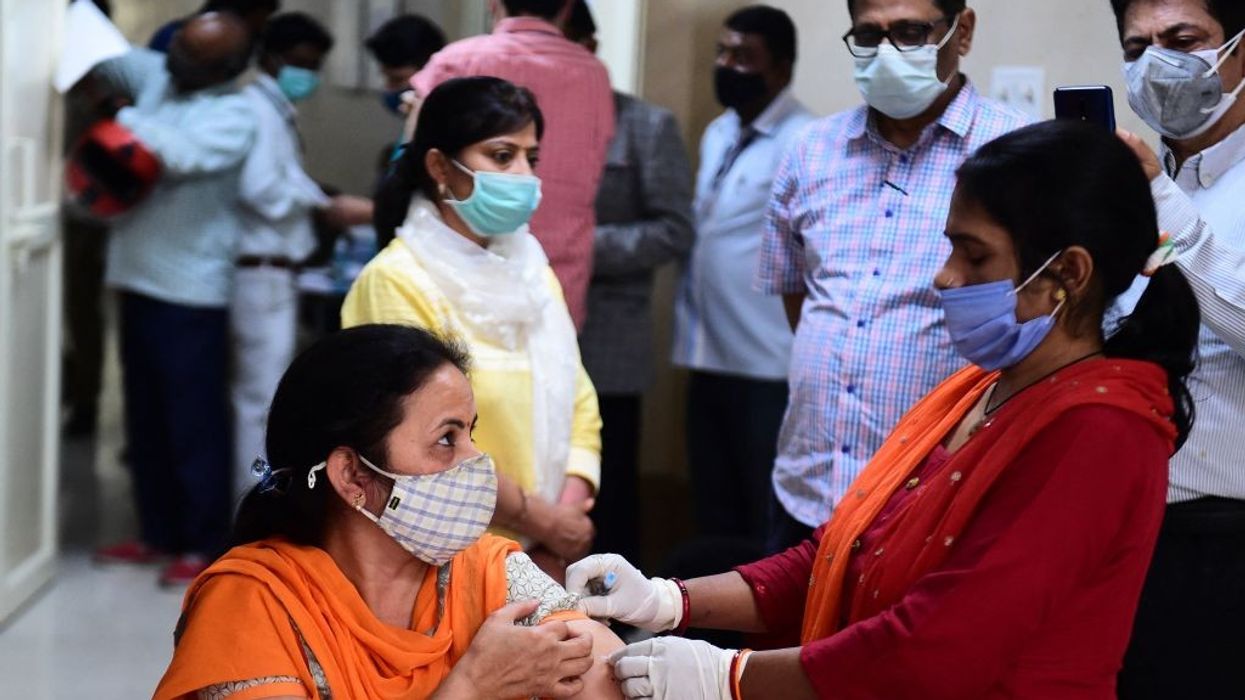

INDIA began vaccinating tens of thousands of people above the age of 45 on Thursday (1) in its biggest push yet against a surging coronavirus that has hit the highest daily count since early October, officials said.
Data released by the health ministry on Thursday showed 72,330 new Covid-19 infections, the highest since October 11. Deaths stand at 162,927.
India's overall caseload stood at 12.22 million, making it the third worst affected globally, behind the United States and Brazil.
The world's second most populous country aims to immunise 400 million people after expanding the programme, which had been restricted to the over-60s and people with serious health conditions, said a government official.
"Our requirement is 400 million people to be vaccinated. That is our minimum requirement, our target," the source, who did not wish to be identified, told Reuters.
"Right now we are dealing with an emergency situation. Whatever we have, we will use it," the source said.
Anxious people lined up early at New Delhi's Max hospital to get shots of the Oxford-AstraZeneca vaccine produced by the Serum Institute of India, the world's biggest maker of vaccines.
"We have been saying from the beginning, everywhere and on social media, that please open up the vaccination programme, let everyone get it and be free from tension," said Madhav Singh Rathore, 53, a salesman at a clothes store, who sat among a line of people waiting to get the injection.
India kicked off its innoculation programme in January focused on health workers and then the elderly, saying it wanted to cover the most vulnerable first.
The country also shipped millions of doses of the vaccine to neighbouring countries and then across the world as part of a diplomatic initiative to win friends, but of late this has prompted criticism that people at home were being neglected.
Adding to the pressure on the government, the daily rise in cases has quadrupled in the space of a month as most of India has reopened for business and travel curbs have been lifted.
"The situation is going from bad to worse" V K Paul, the top Covid-19 adviser to prime minister Narendra Modi, said this week.
Despite the second wave of infections, hundreds of Hindu devotes gathered on the banks of the river Ganges in the northern town of Haridwar to take a holy dip on the first day of a month-long 'Kumbh Mela, or the pitcher festival.
"Mother Ganga will protect us and destroy all the negative impact of Covid-19 in the world. However, we should be cautious and take precautions," said Sunanda, a devotee.
Local authorities have said anyone coming from the 12 states where cases are rising will have to produce a negative Covid-19 test before being allowed to bathe in the river.


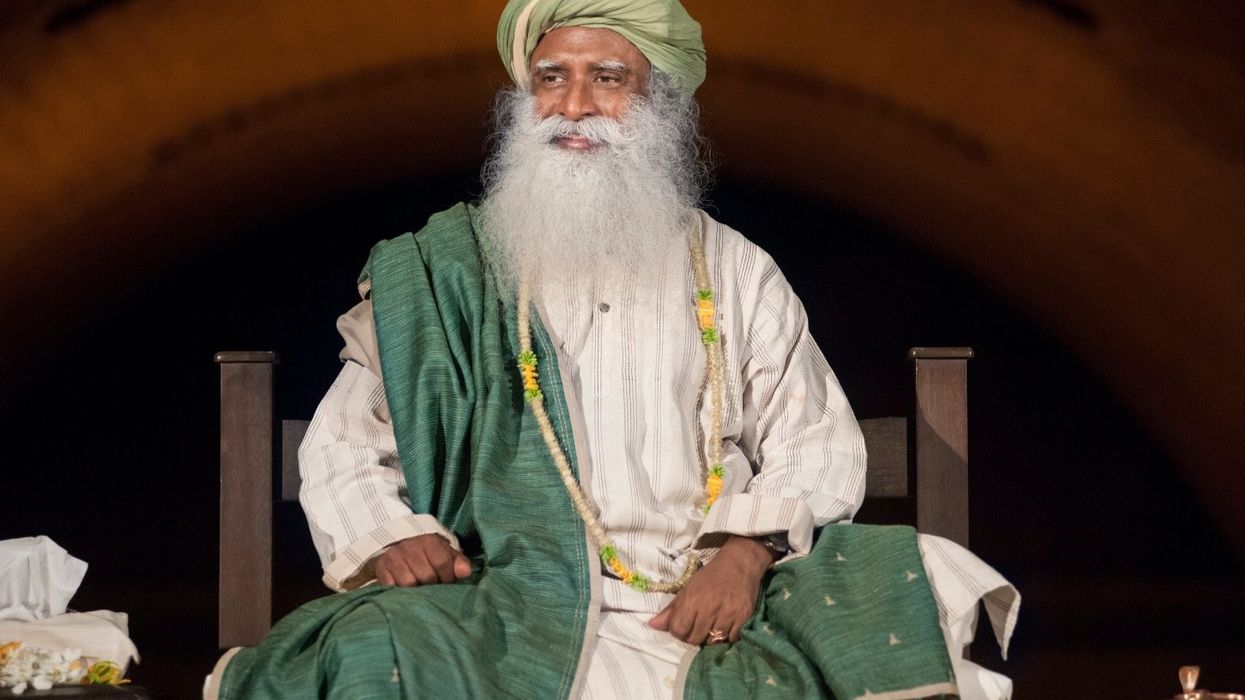

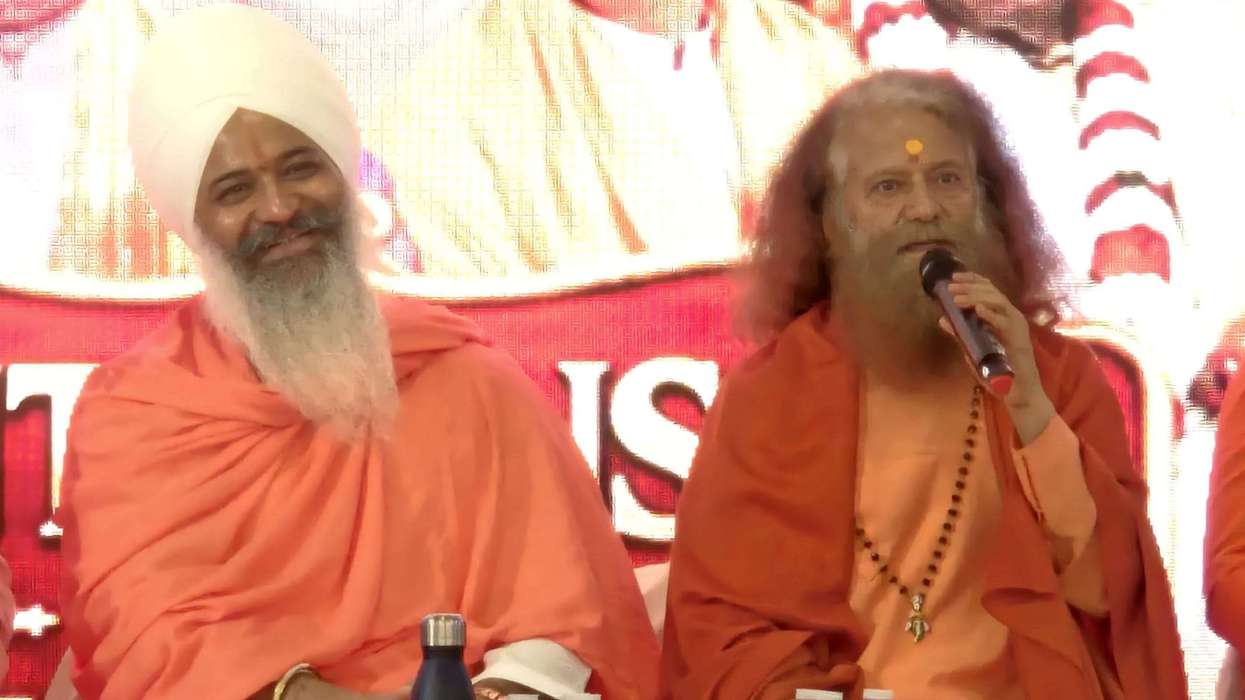
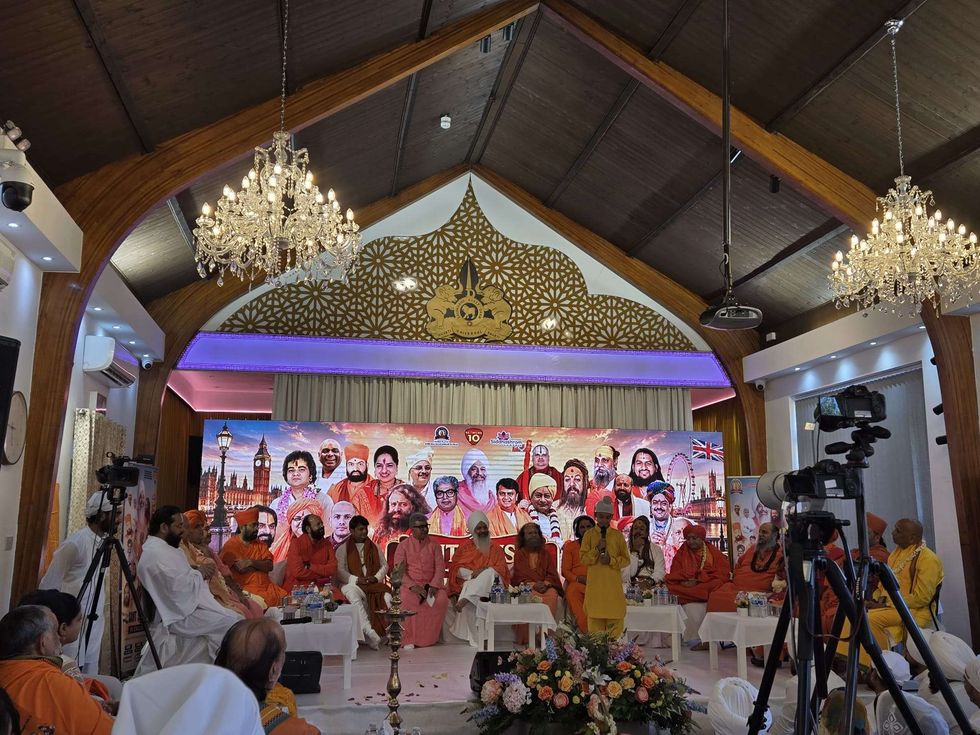 Sant Sansad Master Jasraj sharing his views Mahesh Liloriya
 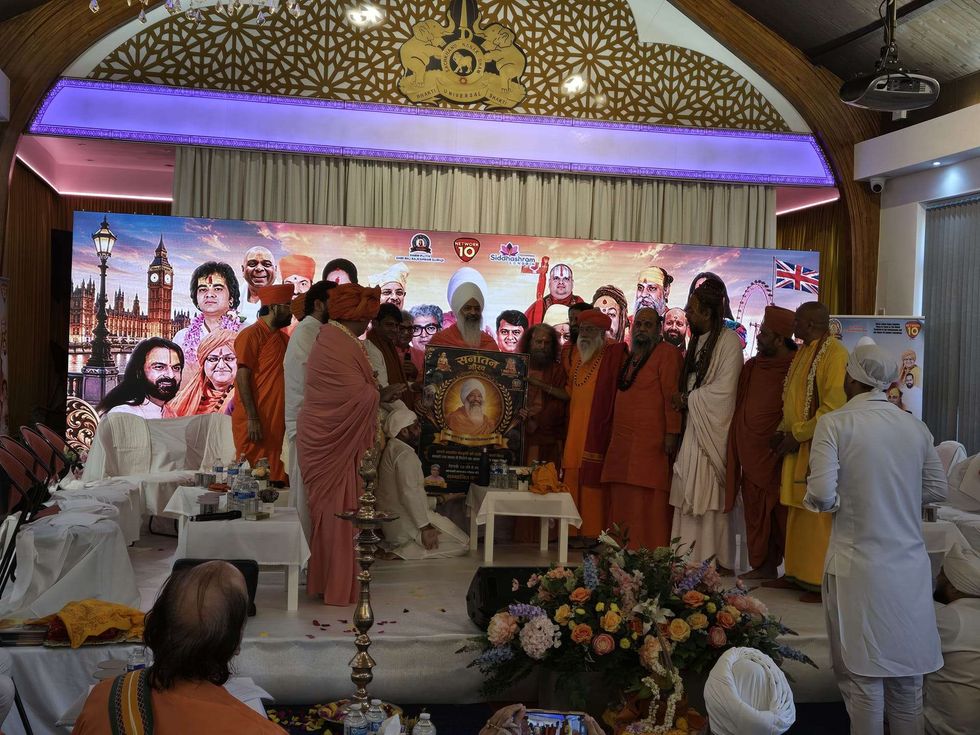 Sant Sansad- Deep PrajjawalanMahesh Liloriya