INDIA-BORN US district judge Amit Mehta will preside over the justice department’s crucial lawsuit against Google in which the internet search giant's business model based on free services and advertising will be put to the test.
The lawsuit filed on Tuesday(20) accuses Alphabet's Google of illegally using its market muscle to hobble rivals like Microsoft's Bing in search and search advertising.
Mehta was appointed to the US district court for the district of Columbia on December 22, 2014, by former US president Barack Obama.
Born in Patan, Gujarat, Mehta received his BA in Political Science and Economics from Georgetown University in 1993 and his JD from the University of Virginia School of Law in 1997.
According to reports the selection of Mehta to hear the case suggests a tough courtroom battle ahead for the $1-trillion search and advertising company.
Mehta is not seen as pro-business or favorable to monopolies, said Sally Hubbard, who advocates for tougher antitrust enforcement at the Open Markets Institute.
"We have a judge that is not hostile to antitrust, so this is a really good moment for the case," she said.
Google had no comment on Mehta's selection. The search and advertising company has called the lawsuit "deeply flawed," adding that people "use Google because they choose to - not because they're forced to or because they can't find alternatives."
Sam Weinstein, who teaches antitrust at the Benjamin N. Cardozo School of Law, noted that Mehta had ruled for the government in blocking the merger of Sysco and US Foods in 2015, shortly after he was confirmed in late 2014. The deal was abandoned.
Andre Barlow of the law firm Doyle, Barlow & Mazard PLLC, agreed that Mehta's selection was "good news for the government" but warned that the case against Google is a monopolisation case, which tend to be harder to win than merger cases.
Legal experts point to the fact that it may be difficult to show Google's conduct was illegal under the longstanding "consumer welfare" standard in monopoly cases because its services are largely free.
Avery Gardiner, a former US antitrust enforcement lawyer who researches competition for the Center for Democracy & Technology, said the government appears to be skirting the question of whether Google benefits consumers by offering free services.
The lawsuit "basically ignores price and focuses on quality and innovation," she said.
Data provided by the justice department showed Google controls 88 per cent of US search queries, with the share in the mobile market at 94 per cent, and argued that Google reinforces it monopoly with its "exclusionary" deals.
With a market value over $1 trillion, Google generated $161 billion in revenue last year, the bulk of which comes from digital advertising including messages linked to people's search queries.





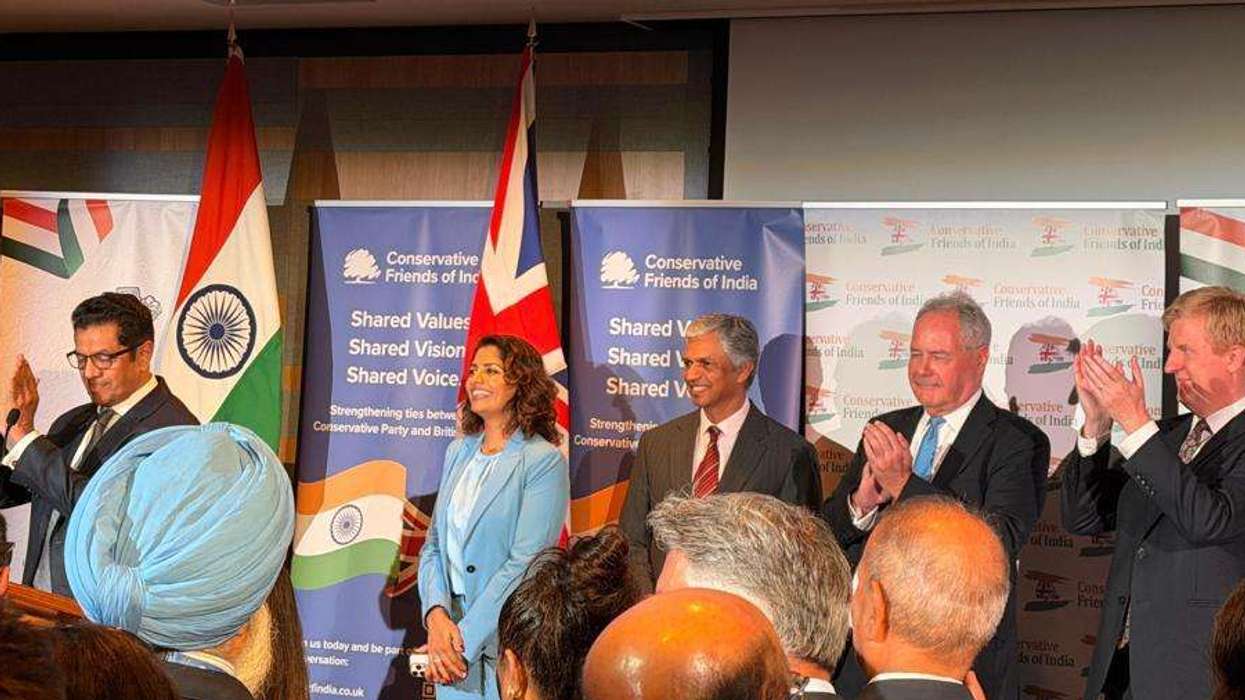
 CFIndia co-chair Dr Koolesh Shah CFIndia
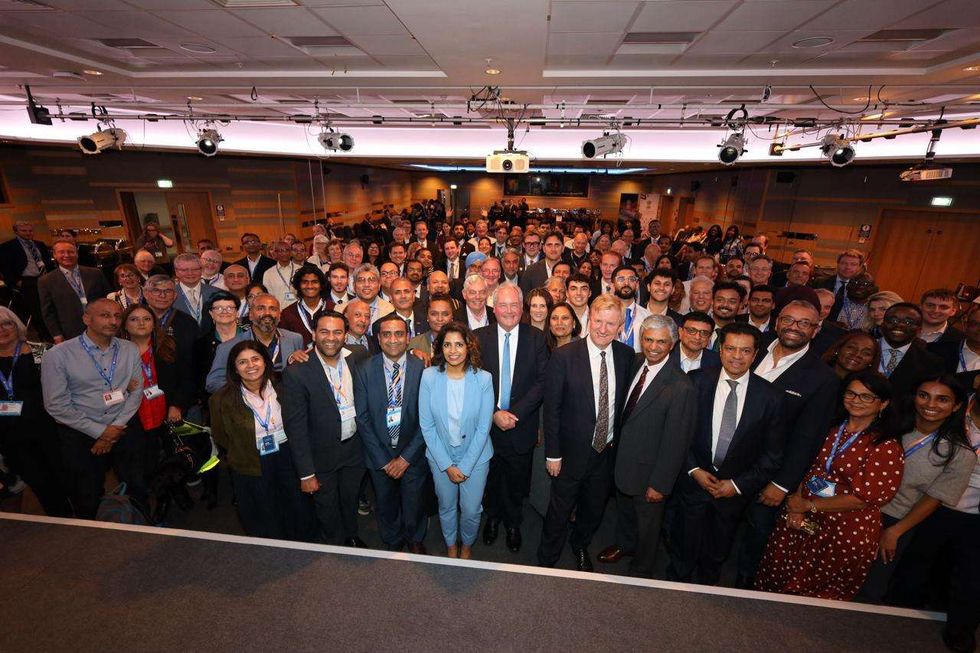 Nearly 500 attended the Conservative Friends of India event.CFIndia
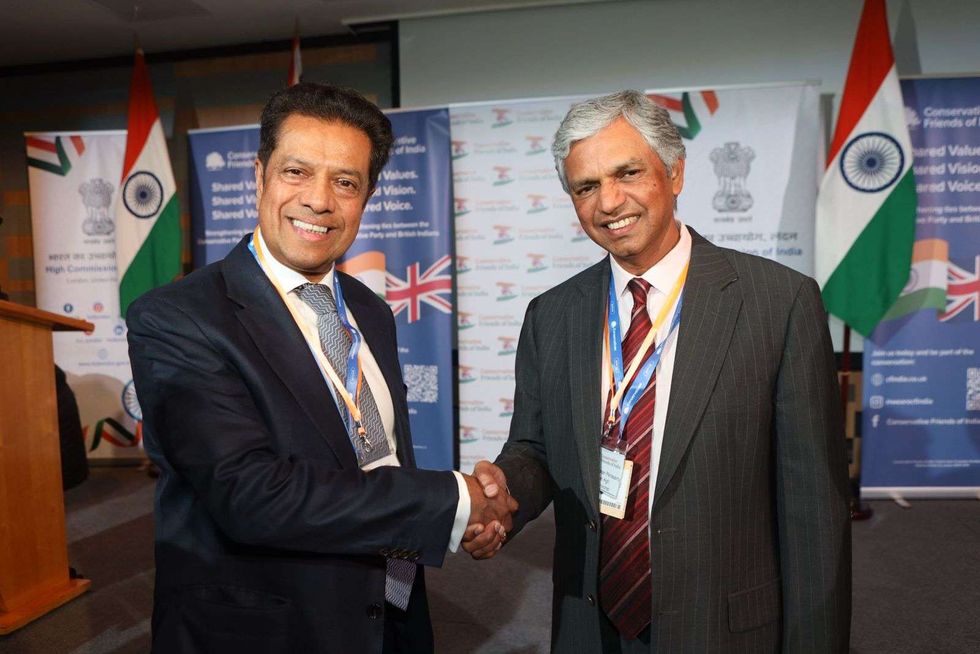 CFIndia co-chair Dr Koolesh Shah with Indian High Commissioner to the UK Kumaran PeriasamyCFIndia