
- India and the EU have concluded a major free trade agreement after nearly 20 years
- Both sides will gradually cut tariffs across most traded goods
- The deal is expected to come into force within a year after legal checks
India and the European Union have concluded a long-pending free trade agreement, ending nearly two decades of stop-start negotiations between the two sides.
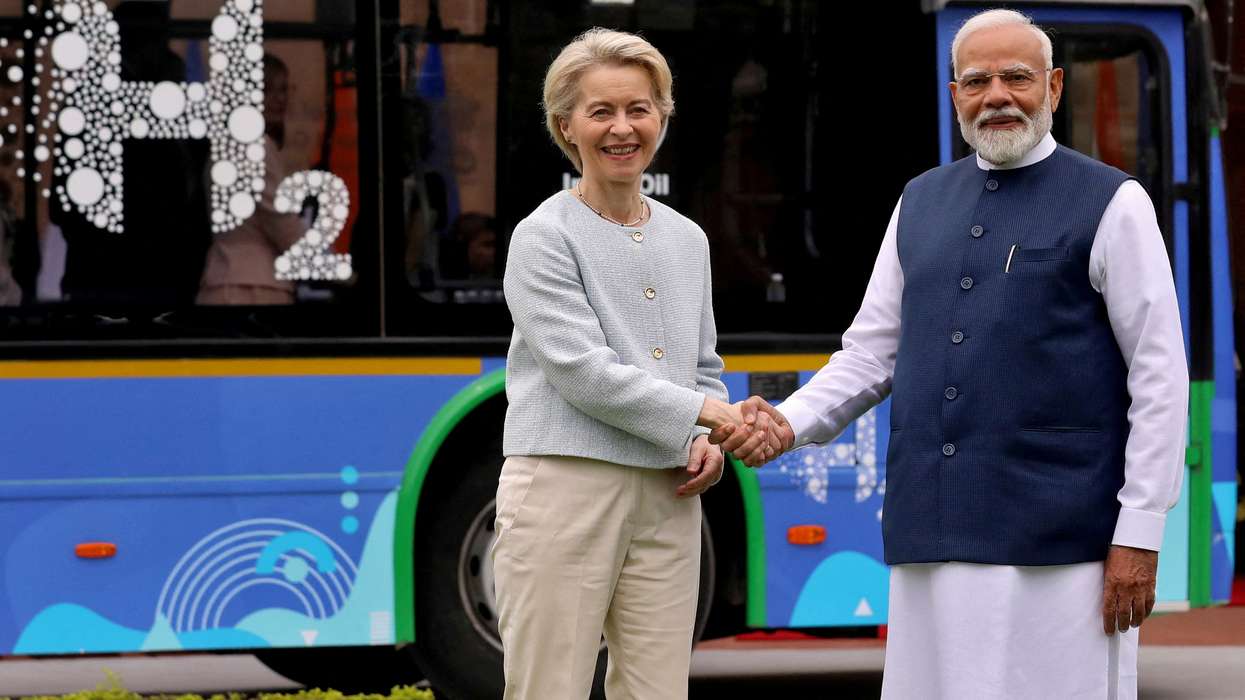
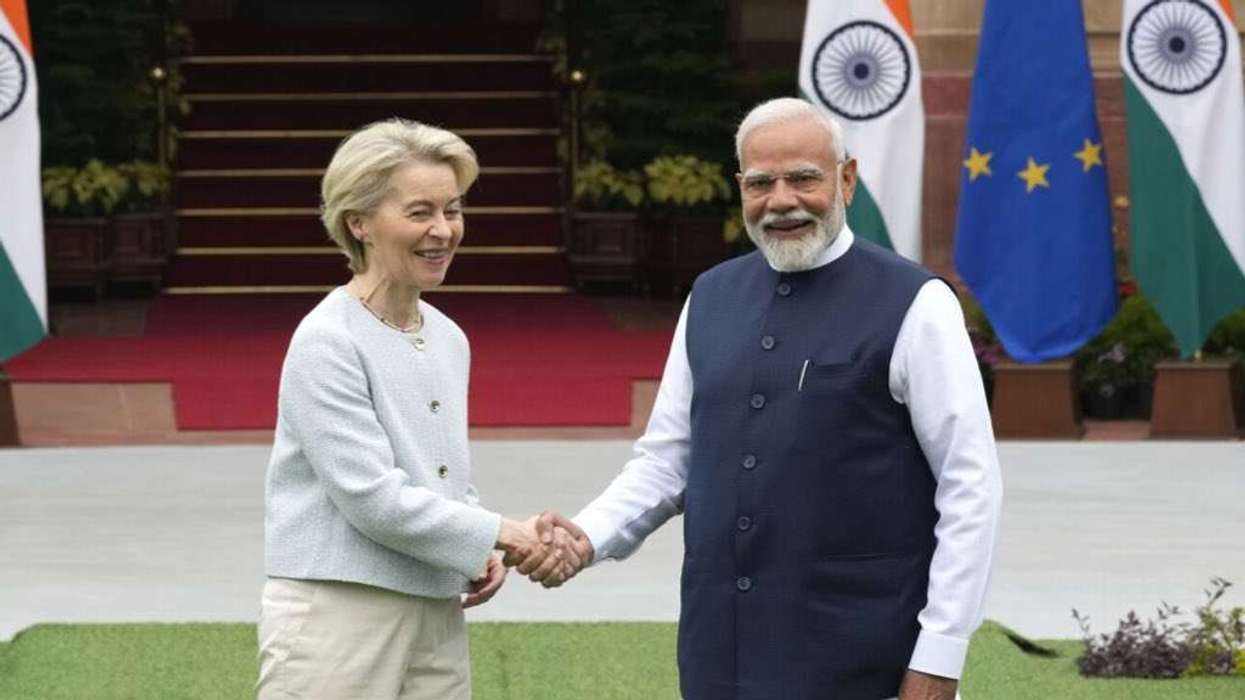
Indian Prime Minister Narendra Modi said the agreement had been signed, adding that it would create new opportunities for people in India and Europe. A joint announcement is expected at an India–EU summit in New Delhi, where Modi and Ursula von der Leyen are likely to share further details.
Trade between India and the EU stood at about £107 billion ($136.5 billion) in the financial year ending March 2025, making the bloc India’s biggest trading partner.
The deal covers
In simple terms, the agreement lowers import taxes on most goods traded between India and the EU, but not all at once.
The EU will remove tariffs on 99.5 per cent of the value of goods it imports from India. Most Indian exports will become cheaper in Europe from the day the deal comes into force, while the remaining tariffs will be phased out over seven years.
India will cut tariffs on 97 per cent of goods imported from the EU. Around 30 per cent of trade value will see duties drop to zero immediately. Over the next 10 years, this will expand to cover about 93 per cent of bilateral trade.
Indian officials have said exporters of marine products, apparel, gems and jewellery, leather, chemicals, plastics and metals are expected to gain, as these products currently face import duties of more than 10 per cent in Europe.
Some sectors have been handled more cautiously. India’s average import tariff is around 16 per cent, but duties on items such as alcohol and automobiles can cross 100 per cent.
In the automobile sector, India has agreed to cut import duties from 110 per cent to about 30–35 per cent from the first year, but only within fixed quotas. These duties will gradually fall to 10 per cent over time. Mass-market European cars priced up to ₹25 lakh will face tighter limits, while higher quotas will apply to premium vehicles, where domestic production is limited.
Electric vehicles will not get immediate access. Quotas for European EVs will begin only after five years, giving Indian manufacturers time to scale up.
Certain sectors such as dairy, cereals, poultry and sugar have been excluded from the deal due to sensitivities on both sides.
One of the tougher areas in the talks was the EU’s carbon border adjustment mechanism, which came into force on January 1. Indian officials have said the EU did not agree to country-specific exemptions, but India has secured a commitment that any flexibility offered to other countries would also apply to India.
A technical group will also be set up to help Indian companies understand EU carbon rules and verify emissions data. This could help prevent double taxation if India introduces its own carbon pricing system in the future.
In services, the EU has opened 144 sub-sectors, while India has opened 102. There are also commitments related to student mobility, including some assurances around post-study work visas.
The agreement includes 21 chapters covering areas such as technical standards, intellectual property, subsidies, rules of origin and anti-fraud measures. Talks on investment liberalisation in non-services have been deferred and are expected to resume after the deal takes effect.
What happens next
The text of the agreement willnow undergo legal vetting, a process expected to take five to six months. AnIndian government official was quoted in a news report as saying the deal couldbe implemented within a year.
The pact comes amid a globalrush to secure trade partners as ties with the UnitedStates remain uncertain. Both India and the EU have recently signedmultiple trade agreements to reduce dependence on any single market.
If implemented as planned, thedeal would become one of India’s most comprehensive trade agreements and a keymarker of how global trade is being reshaped.