
HOW intelligent is artificial intelligence? Very, judging from what I heard at India House last week.
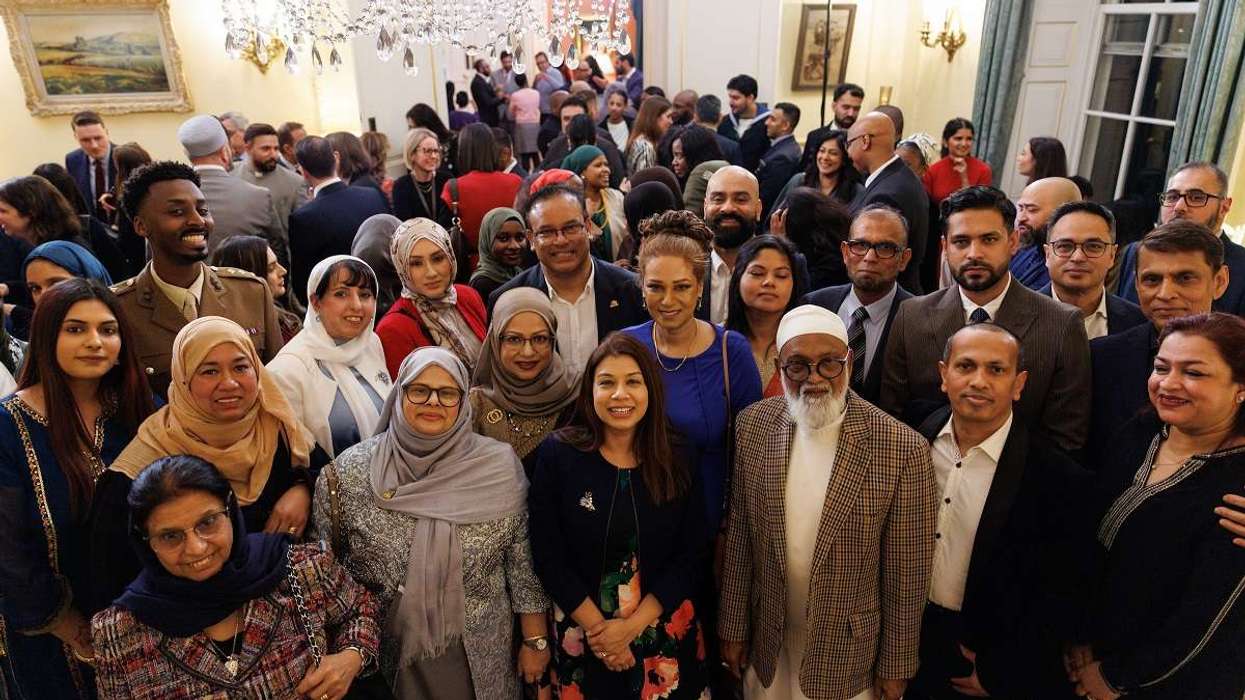
It was at a function called 'Beyond the New Delhi AI Summit: India and the UK Shaping the AI Age – India-UK Dialogue on Artificial Intelligence.'
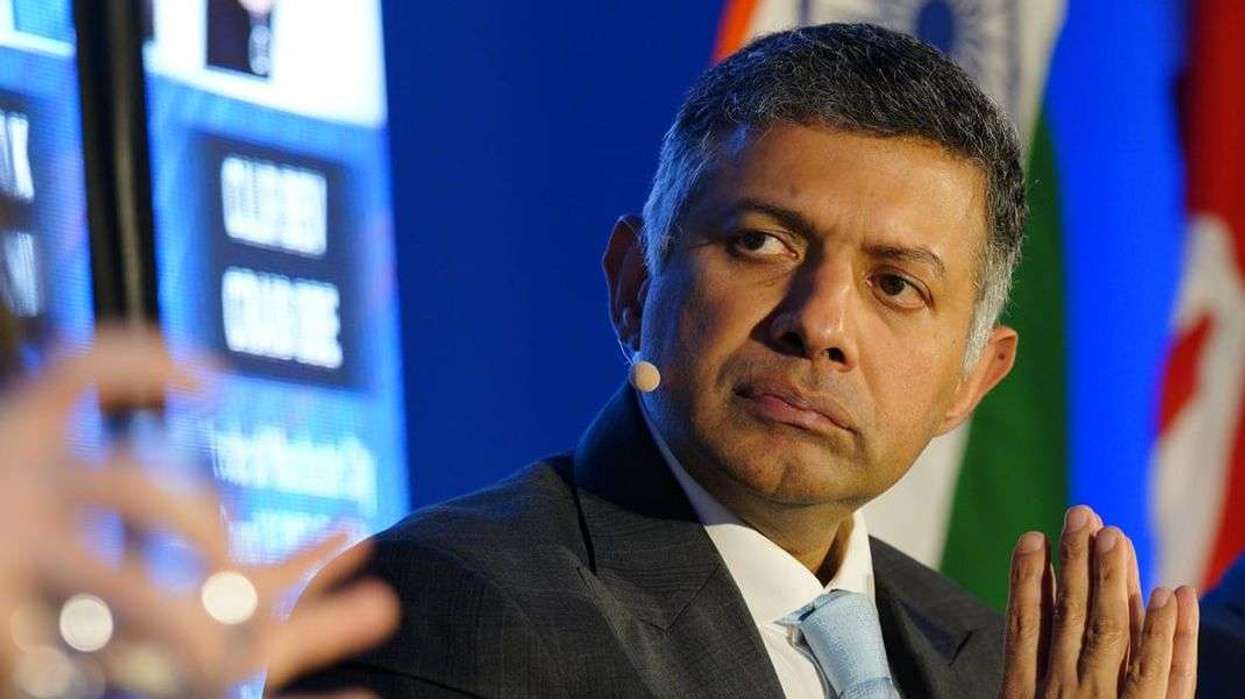
One of the main speakers – Pushmeet Kohli, vice-president of research at Google Deepmind – made a casual remark that immediately caught my attention. In 2023, Kohli was included by Time magazine as one of the 100 most influential people in AI.
He began: “What is intelligence? Intelligence is the ability to solve problems.”
He spoke about AI being able to do things that human beings can do, but “much more efficiently and much more quickly”.
He gave an example: “So imagine, in government, you might want to digitise some documents. What used to take two hours can now be done in 40 seconds.”
Later, when I asked Kohli how many documents were being digitised, his response was slightly pre-stone age – he palmed me off to one of his employees.
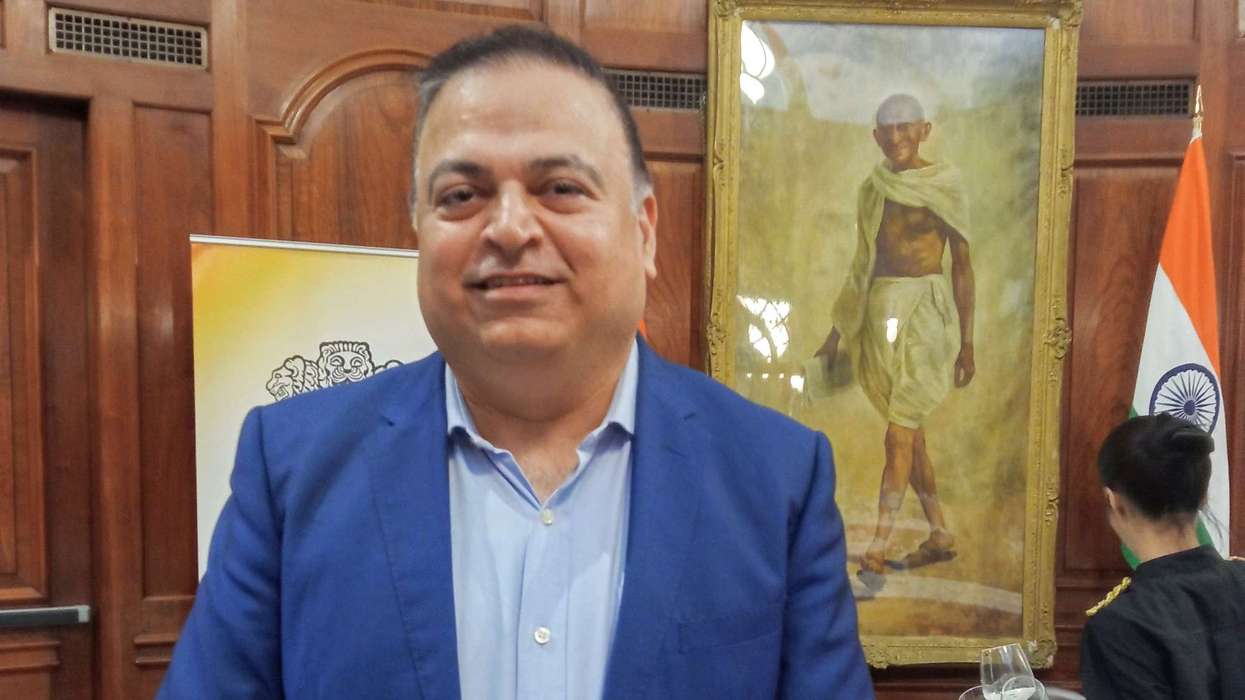
Another intervention I could grasp came from Manish Malhotra, the London-based UK and Ireland country head for Infosys (this is the huge IT firm founded by Rishi Sunak’s father-in-law, NR Narayana Murthy).
He said that Infosys was recruiting the brightest maths, physics and engineering graduates from Oxford, Cambridge, Manchester and other top British universities, taking them to Bangalore and Mysore for training and then bringing back to join its UK workforce.
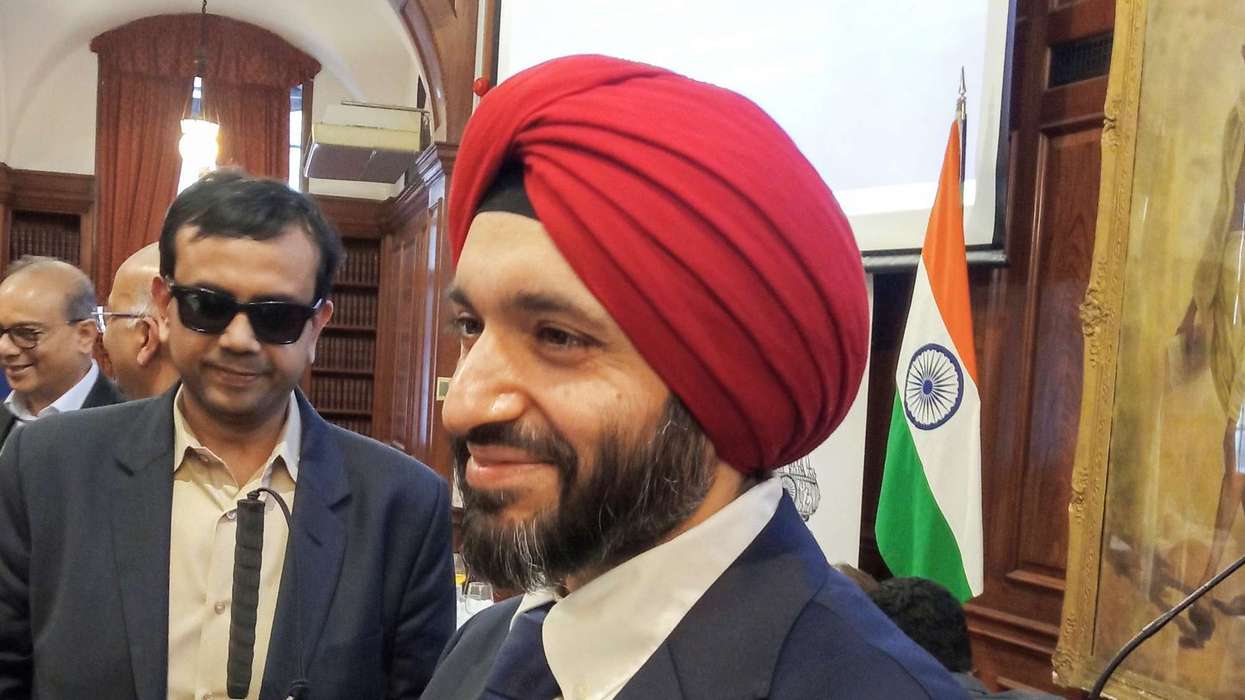 Pushmeet KohliEastern Eye
I grew up with the old concept that the brightest students in India invariably “proceed to the UK for higher studies”. Conventional wisdom has depicted India as a third world country which exported its cleverest young people to the advanced west.
This vision of India is out of date, Malhotra told me.
“We moved away from that bit 10 years ago at least,” he said.
Infosys has launched its programme by recruiting 25 people, using the “young professional visa” scheme, and putting them on the payroll from day one. Few of them are of Indian origin.
In India, the recruits will be trained in such areas as “AI, blockchain, and crypto” but there will also be time for sightseeing in Agra, Delhi and elsewhere.
“They have to be citizens of this country,” clarified Malhotra. “The idea is how do we skill up the new graduates, bring them back to the UK and embed them in our workforce. They are on permanent employee contracts. We are not sending them on training contracts. The actual time spent in India is four and a half months. The rest of the time is spent in the UK being culturally aligned.”
He talked of the pace of change brought about by AI: “Everyday you wake up, the technology has moved ahead by four steps. We have never experienced anything like this in our technology world. And we have been in the technology space for so many years.”
Compared with “gloom and doom” Britain, it does seem young people in India have taken eagerly to AI. Personally, I would be very happy if AI could sort out my digital photographs. I also have boxes and boxes of printed photographs from a pre-digital era. I would love to have them catalogued by AI in 40 seconds.