
Many want to achieve nirvana in this lifetime, and their idea of it will differ according to what their specific desires are.
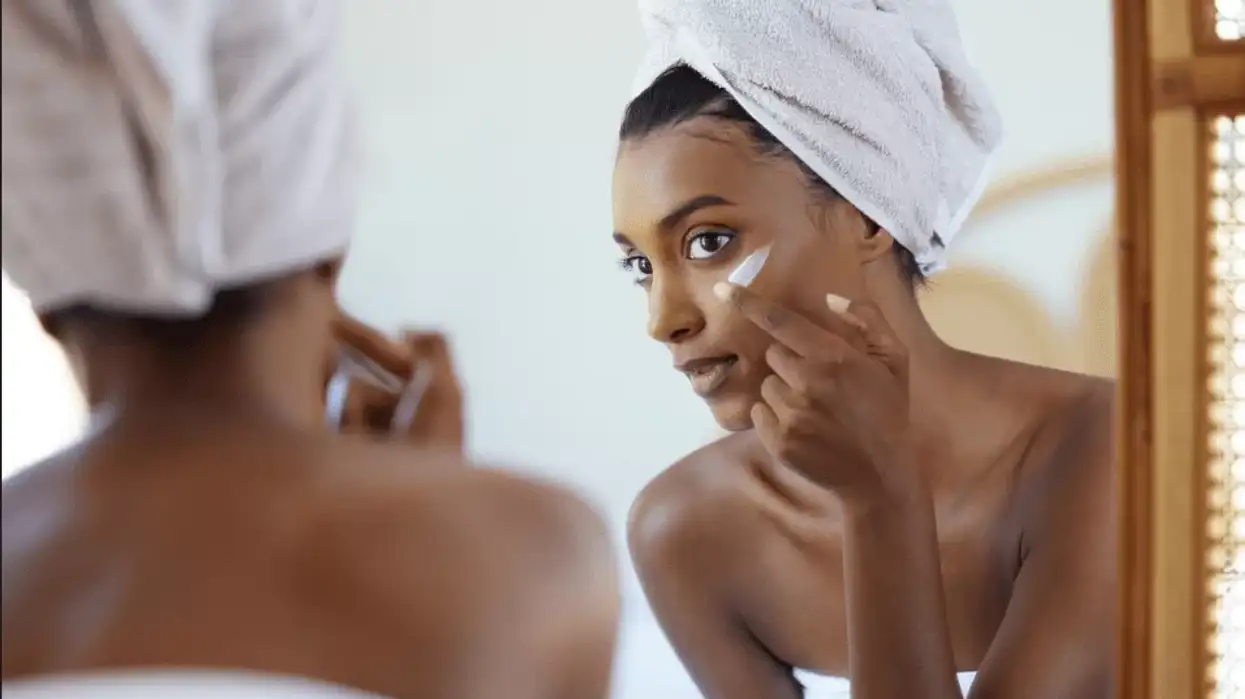
For some, it is trying to achieve the popular trend of getting “the glass skin.” This is when your skin is at its healthiest, appearing without pores, luminous, and translucent. Attaining that has become difficult, especially since the increasingly stressful, post-pandemic world. With all the worries going on, we often forget how important it is to practice good skincare etiquette.
There is no doubt that eastern cultures have mastered the art of preserving skin, the largest organ of our body, like no other. Depending on your ultimate goals and skin concerns, it is very important to figure out a good regimen, especially where preservation is key.
In my own personal skincare journey, I have found that Koreans, otherwise popularly known as K-beauty, have nailed it. It is relatively a recent concept adapted in the western world over the past decade. Many brands have now produced and released products out into the market emulating the popular K-beauty trend.
While there are several factors prohibiting some parts of the western world from using certain filters and ingredients within their products, you can still purchase many K-beauty brands at stores or online at a reliable storefront.
Let me tell you, the results are real, and they hit. Would you ever in your dreams think of applying snail mucin as a healing aide? It’s a true remedy that works like magic. It’s high in hyaluronic acid, zinc, copper, antimicrobial peptides, and proteoglycans, all important factors for skin barrier health.
It is not essential to follow the famous, yet effective, K-beauty 10-step skincare regimen daily, morning and night. You can pick and choose what best suits your needs or an alternate known as skin cycling. If there is anything to take away from the 10-step regimen, always double cleanse. Pick a good oil-based cleanser and a good waterbased cleanser. Here are the 10 steps to achieve close-to-skin-smooth perfection. You can thank me later.
1. Oil cleanse
2. Water cleanse
3. Exfoliate two-three times a week
4. Toner
5. Essence
6. Serum
7. Sheet mask
8. Eye cream
9. Moisturiser
10. Sunscreen
And that’s it, folks. These are some of the things that will help you hopefully achieve that all elusive ‘glass skin’. It is never too late to start taking care of skin, irrespective of how old you are. When your outer self glows, it will make you shine on the inside too. Happy skin-caring.