A “highly revered” GP, with 45 years of service, has died after being under treatment for COVID-19.
Dr Habib Zaidi, 76, died in intensive care at Southend Hospital, Essex, after he fell sick on Tuesday.
Dr Zaidi’s family said he “sacrificed his life for his job” as reports noted that he could be the first doctor in the UK to die due to coronavirus.
His daughter Dr Sarah Zaidi, who is also a GP, said her father had "textbook symptoms" of COVID-19.
"For that to be the thing that took him is too much to bear. It is reflective of his sacrifice. He had a vocational attitude to service,” she told the BBC.
"He was treated as a definitive case. There is little clinical doubt it is coronavirus, the test result is academic.
"We can't mourn in the normal way. We can't have a normal funeral.
“He left a gaping hole in our hearts, but a loss that is also felt within the community that he devoted almost his entire life to”.
"We are praying for the safety of everyone right now."
Dr Zaidi, who was a GP in Leigh-on-Sea, had been under self-isolation and avoiding personal consultation for a week.
Along with wife Dr Talat Zaidi, he was a managing partner of Eastwood Group Practice.
The couple’s son and three daughters, too, are medical professionals.
The NHS Southland Clinical Commissioning Group, which had recently conferred an excellence award upon Dr Zaidi, portrayed him as "legend" who was "highly revered by staff and patients alike".
Southend Council leader Ian Gilbert said: "We are deeply saddened to hear of the passing of Dr Zaidi. Dr Zaidi and his family are well known and well-loved within the community."
Tributes for the "well respected and loved GP" from patients and colleagues were pouring in on social media.
"A kinder more caring gentleman, doctor and friend you would be hard to find," said a patient on Facebook.



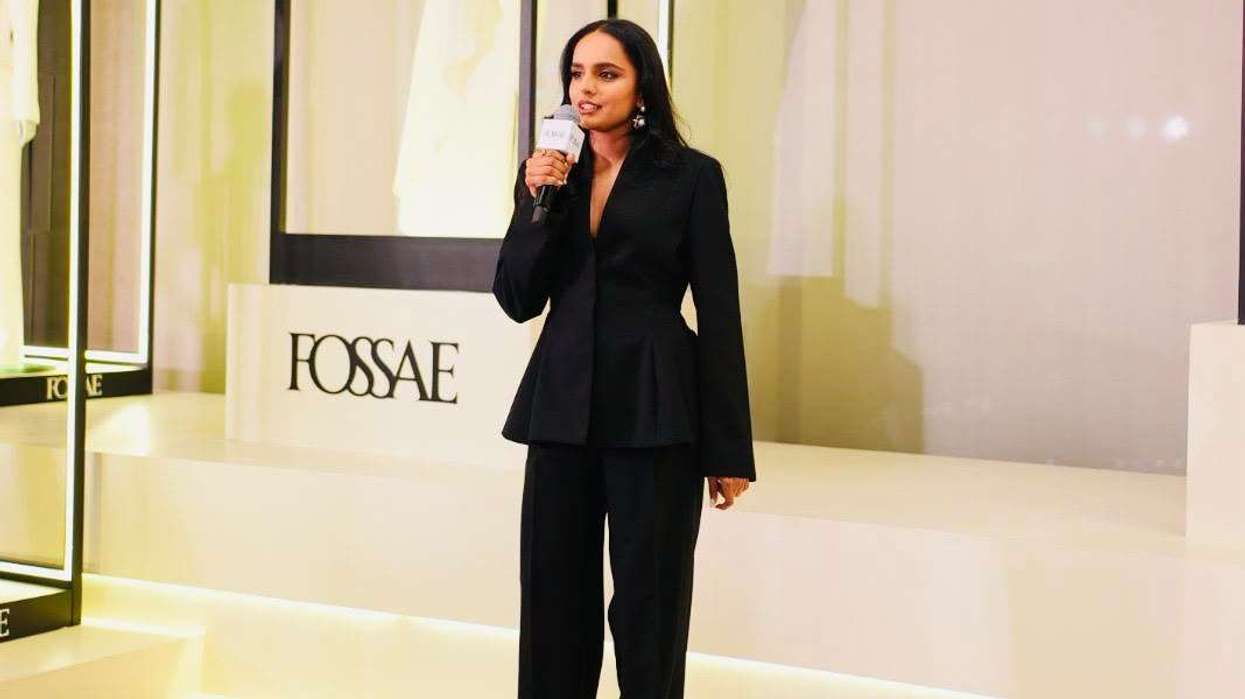
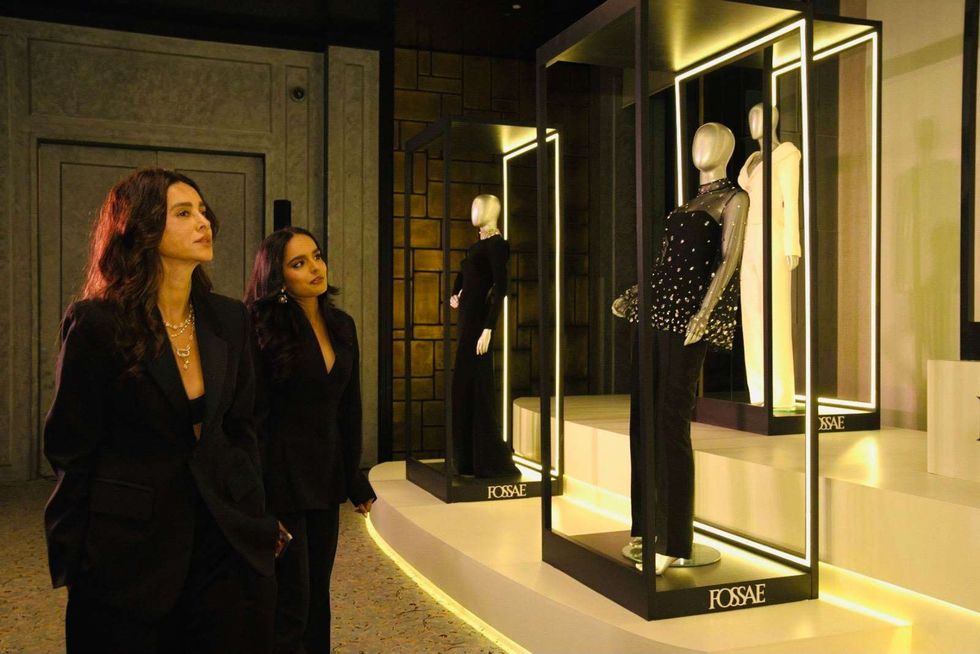 FOSSAE LaunchEastern Eye
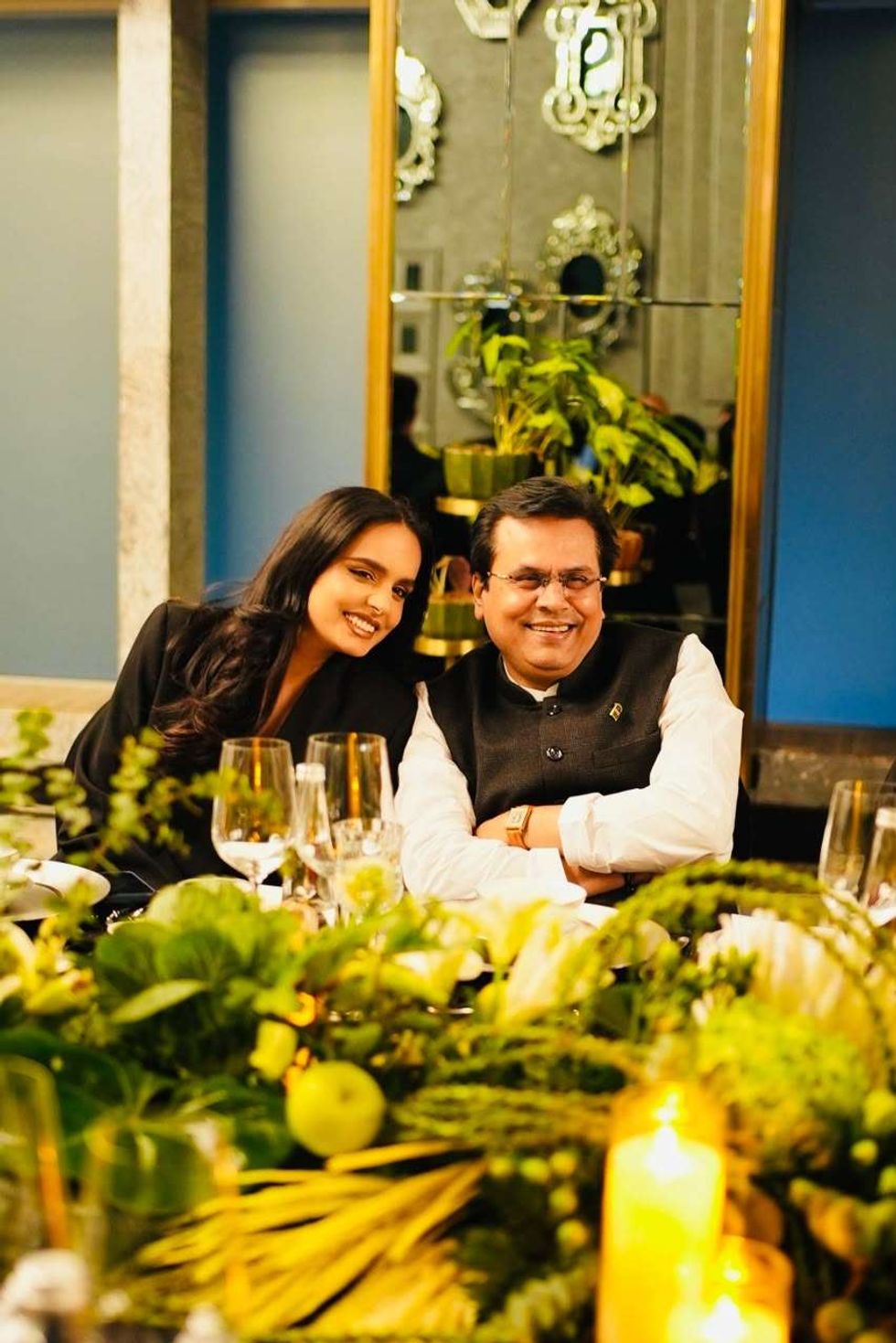 Unnati with father Rakesh K ShuklaEastern Eye
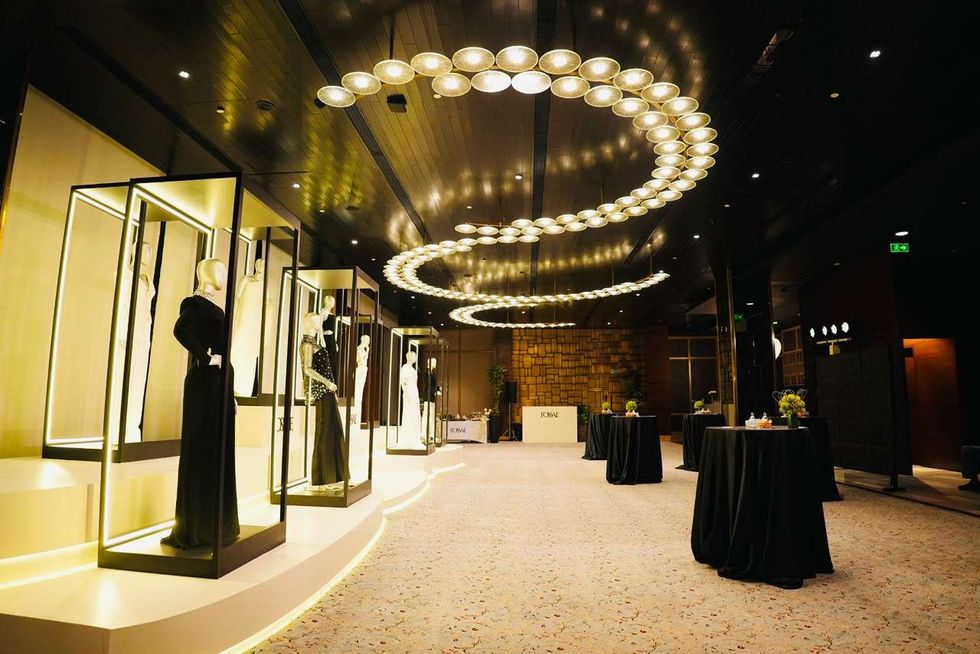 FOSSAE LaunchEastern Eye
 FOSSAE LaunchEastern Eye