
- British travellers keep left, many Europeans keep right.
- Third runway could add 40 million more passengers.
- £80m fund launched to boost cleaner aviation fuel use.
Heathrow’s congestion problem may not just be about space. According to its chief executive, it could also be about which side people choose to walk on.
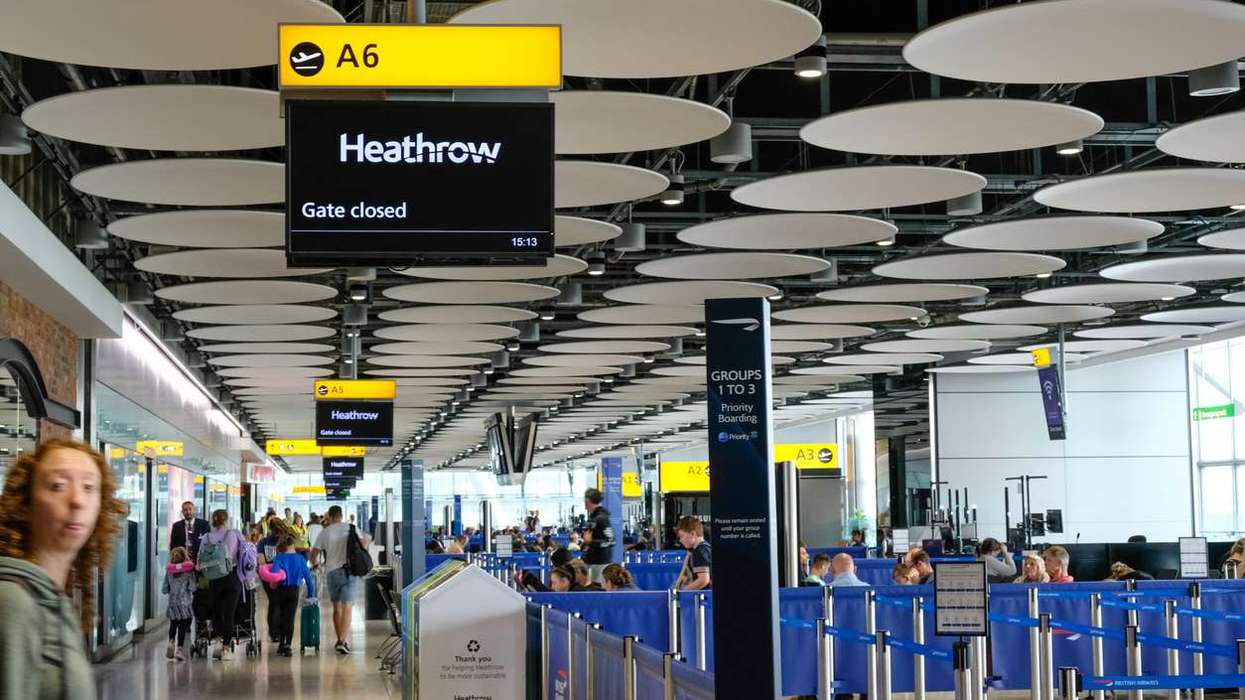
Thomas Woldbye has suggested that one reason parts of the airport feel crowded is because British and foreign passengers instinctively move in opposite directions, leading to constant collisions in busy terminals.
Speaking at an Aviation Club UK event, the Danish boss reportedly said Heathrow handles more passengers within a smaller footprint than comparable European hubs. Yet part of the issue, he suggested, comes down to habits.
“The problem is that all the British people keep to the left and normally Europeans keep to the right. And they do that in both directions,” he reportedly said. “So we can be crashing into each other, and I see that from personal experience.”
He added, reportedly with some humour, that clearer direction could ease the issue. If passengers moving one way kept left and those moving the other kept right, that kind of thinking could reduce friction, he reportedly said.
Terminal 5, mainly used by British Airways, is often described as crowded. But Woldbye suggested that some of that perception comes from people simply being “in the wrong place”.
The debate comes as Heathrow pushes ahead with plans for a third runway. If approved, it could bring around 40 million additional passengers a year and roughly 240,000 extra flights. Satellite terminals would also be built to handle the growth.
Even so, Woldbye reportedly warned that rival global hubs are expanding faster. London will lose market share every single year for the next 10 years, he reportedly said, adding that this should be a serious concern.
Fuel, climate and a £80m pot
Alongside expansion plans, Heathrow is attempting to address criticism that a third runway would clash with the UK’s 2050 net zero target.
The airport has created an £80m fund, financed through landing charges, to encourage airlines to use more sustainable aviation fuel, known as SAF. Under national rules, aviation fuel in the UK must average at least 3.6 per cent SAF during 2026. Heathrow says it expects to reach 5.6 per cent, helping airlines offset some of the higher costs associated with the cleaner fuel.
SAF is largely made from waste sources such as used cooking oil. While aircraft running on SAF emit similar levels of CO2 during flight as those using conventional jet fuel, the overall carbon footprint is considered lower because of how the fuel is produced over its life cycle. Some in the industry see it as a possible route to cutting emissions from long-haul travel, though scepticism remains.
Matt Gorman, Heathrow’s director of sustainability, reportedly said the airport has used its scale to attract SAF supply and demonstrate it can be delivered. The next step, he reportedly said, is stimulating domestic production, both for carbon reduction and energy security.
Duncan McCourt, chief executive of Sustainable Aviation, reportedly said government pledges to begin construction on five UK fuel plants by 2025 had been optimistic, with none yet under way. However, he suggested progress is being made and pointed to the potential for tens of thousands of UK jobs by 2050.
Provisional figures published this week showed that the 2025 fuel supply met the UK’s first annual mandate of 2 per cent SAF, following a strong uptake in the final months of the year.
For now, Heathrow’s challenges appear to stretch from passenger foot traffic to long-term climate targets. And as Woldbye’s comments suggest, not all of them can be solved by pouring more concrete.