
Highlights
- Educator moved from UK to Punjab with her young sons to keep Punjabi a lived language
- Mother tongue placed at the centre of family life after returning to Britain
- Approach blends cultural identity, daily routines and play-based learning
A mother tongue lived, not learned
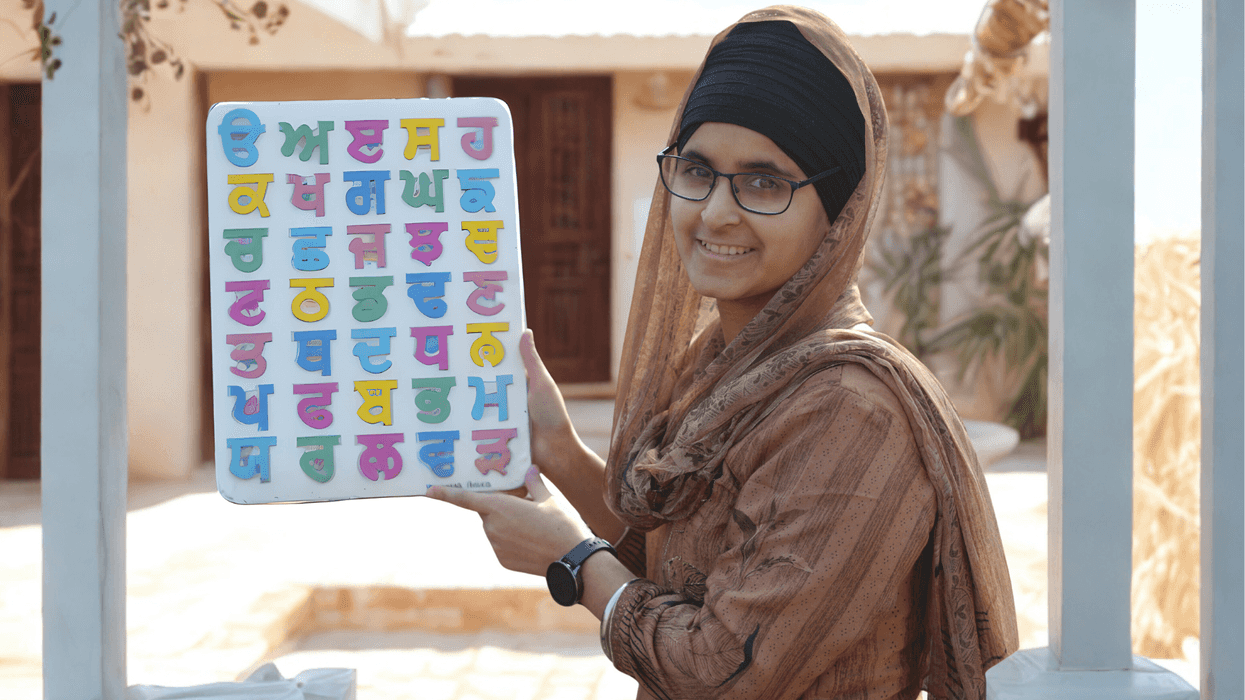
When Punjabi language educator Harsimrat Kaur left the UK for Punjab with her two young sons, the move was driven by a clear concern shared by many diaspora parents: how to ensure a mother tongue remains alive beyond passive understanding. For seven months, the family immersed themselves in an environment where Punjabi was heard in homes, markets and everyday interactions, reinforcing its place as a first language rather than an optional extra.
That experience reshaped how she views language transmission, a perspective that feels especially resonant on International Mother Language Day. She argues that when children hear and use their mother tongue consistently in early childhood, it becomes tied not just to communication but to identity, belonging ,and confidence. Returning to Britain did not change that priority. Punjabi remains the language of home, with English largely confined to schoolwork, ensuring daily exposure continues.
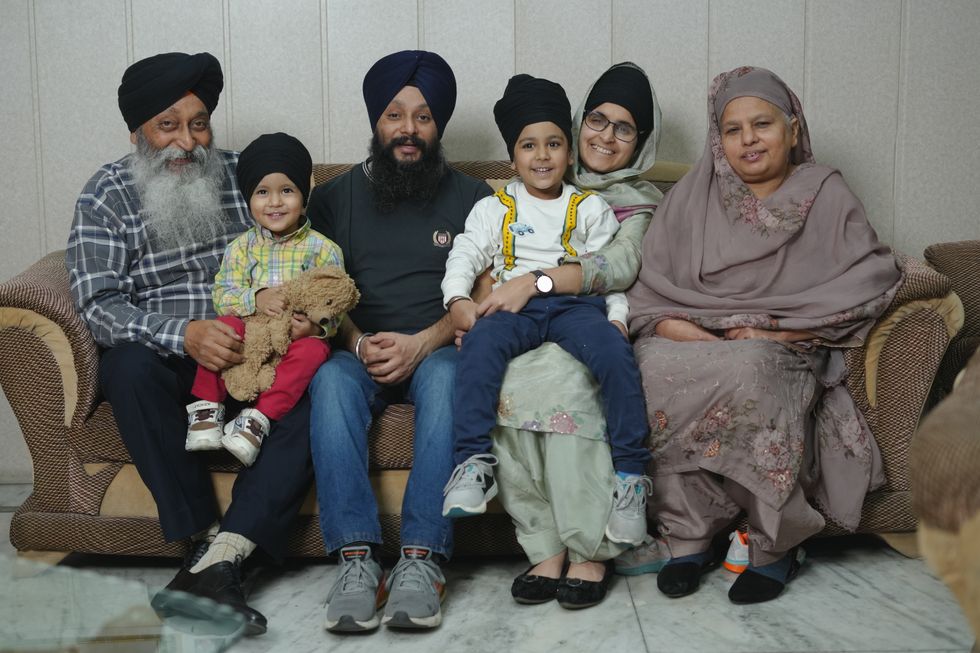 For her children, Punjabi shapes more than communicationHarsimrat Kaur
What bilingual parenting looks like in practice
The impact of immersion became clear in small but telling moments. Her eldest quickly adopted traditional vocabulary and polite forms of address, mirroring the speech patterns he heard around him. Exposure to neighbours, shopkeepers and extended family also meant he absorbed Hindi naturally, highlighting how multilingual settings expand children’s linguistic instincts.
Back in the UK, maintaining fluency relies on routine rather than strict instruction. The family speaks Punjabi at home, while structured habits such as dedicated speaking time help keep the language active. Through her teaching work with Nirmolak Heera, she encourages families to adopt similar approaches, favouring play, conversation and real-life use over memorisation.
Her philosophy reflects a broader shift in thinking about bilingualism. Instead of seeing heritage languages as competing with English, she frames them as complementary, strengthening cognitive development while deepening cultural ties.
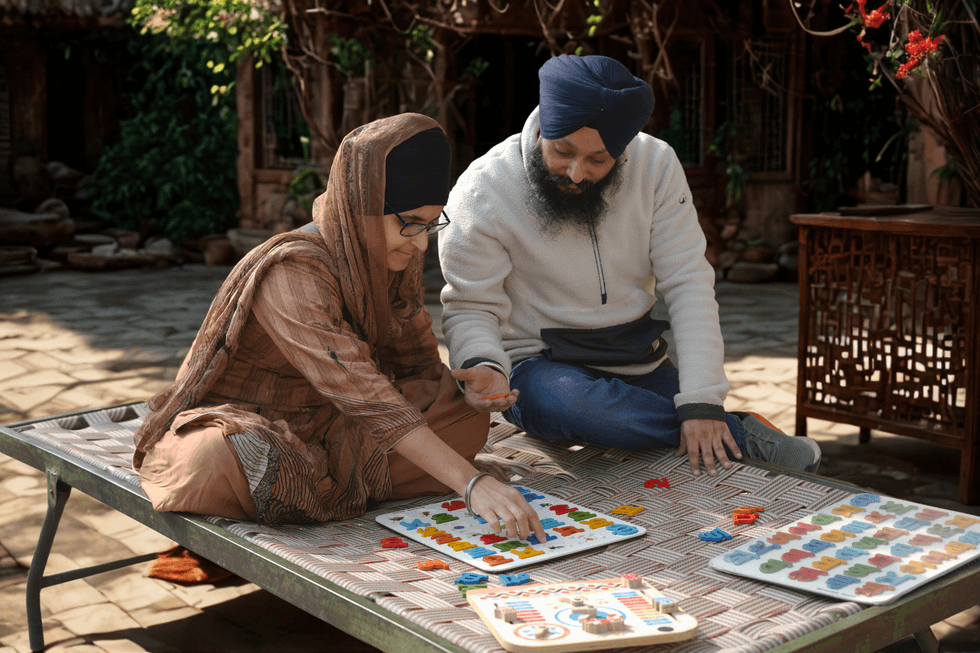 Through her work with Nirmolak Heera, she promotes Montessori-style techniquesHarsimrat Kaur
Language, identity and the next generation
For Kaur, the stakes extend beyond fluency. Speaking Punjabi enables her children to communicate directly with older relatives and engage more deeply with their cultural and faith traditions. The language’s built-in markers of respect also shape how children understand relationships and social cues.
Her wider aim is to help diaspora families feel confident prioritising their mother tongue without feeling they must choose between languages. Success, she says, is measured simply in continuity: that Punjabi is spoken at home, understood across generations and carried forward rather than fading into memory.