
AFTER months of rumour and speculation about what tax reforms might emerge, the eventual outcome for family business leaders was better than feared for most.
The general sentiment is that the announcements have restored a measure of confidence and positivity among family entrepreneurs. Several tax updates were introduced, and below we set out the main changes, their implications for family businesses, and the steps leaders should now consider given this greater clarity.
The most impactful update actually came after the budget. Many business owners were concerned about the planned reduction of Business Property Relief (BPR) and Agricultural Property Relief (APR) from 100 per cent to 50 per cent from April. The government’s pre- Christmas announcement increasing the threshold from £1 million to £2.5m has eased the pressure significantly. This change removes the issue entirely for many businesses and reduces the impact for others, demonstrating a welcome willingness by government to listen and respond to legitimate concerns.
Even so, some family and agricultural businesses remain within scope of the IHT changes. For them, the period between now and April is critical. Succession plans should be reviewed urgently to protect value and ensure that wealth passes across generations as efficiently as possible.
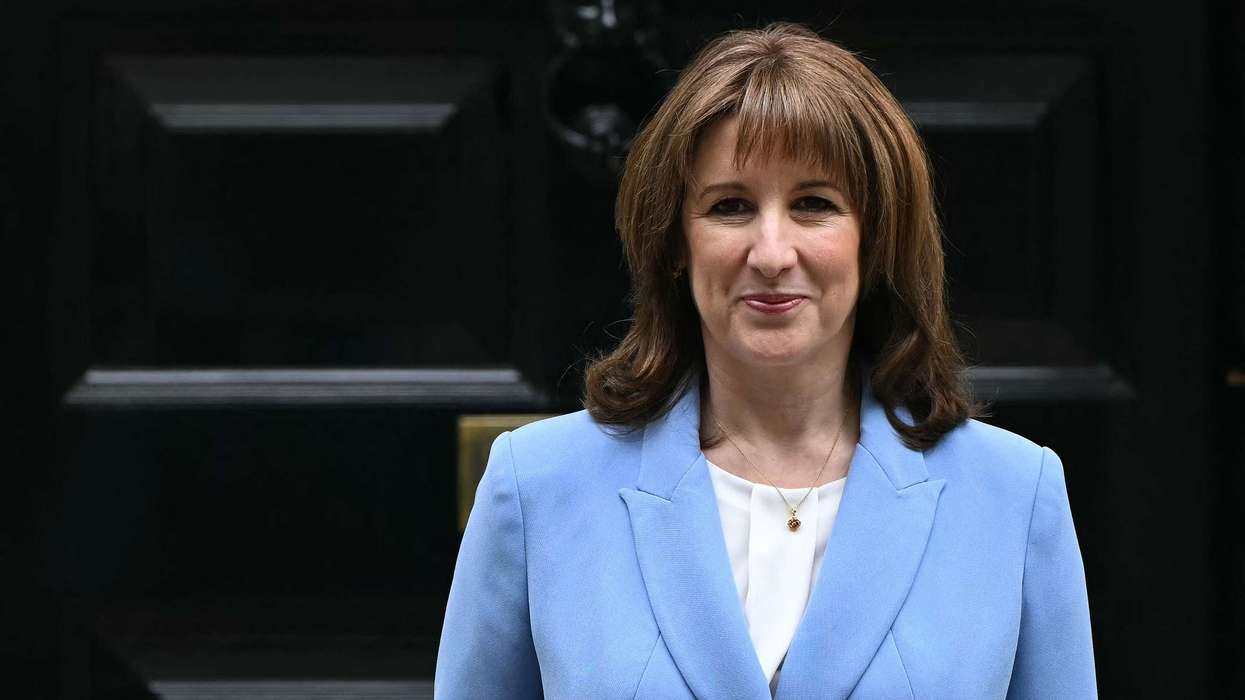
 Jaswinder Gahunia.
There were other positives in the budget, especially the decision to leave Capital Gains Tax (CGT) unchanged. With widespread speculation that CGT might be increased, potentially hitting family business owners particularly hard, the absence of any change is a significant relief. Medium-sized firms also benefited from confirmation that the exemption from the transfer pricing regime will continue following this year’s consultation.
However, as with any budget, there were also measures that will raise the tax burden for both businesses and i n d i v i d u a l s . Writing down allowances on plant and machinery will fall from 18 per cent to 14 per cent from April 2026, which will have a significant impact for some businesses. At the same time, business rates are set to rise for many companies as discounts for some sectors begin to be phased out. This is an area where further government reform may yet emerge.
Employment costs are also set to increase due to the uplift in the national minimum wage and the reduction in the tax-free allowance for pension-related salary sacrifice. This will see employers paying 15 per cent NIC on more of their employees’ contributions, which could accumulate significantly in some cases.
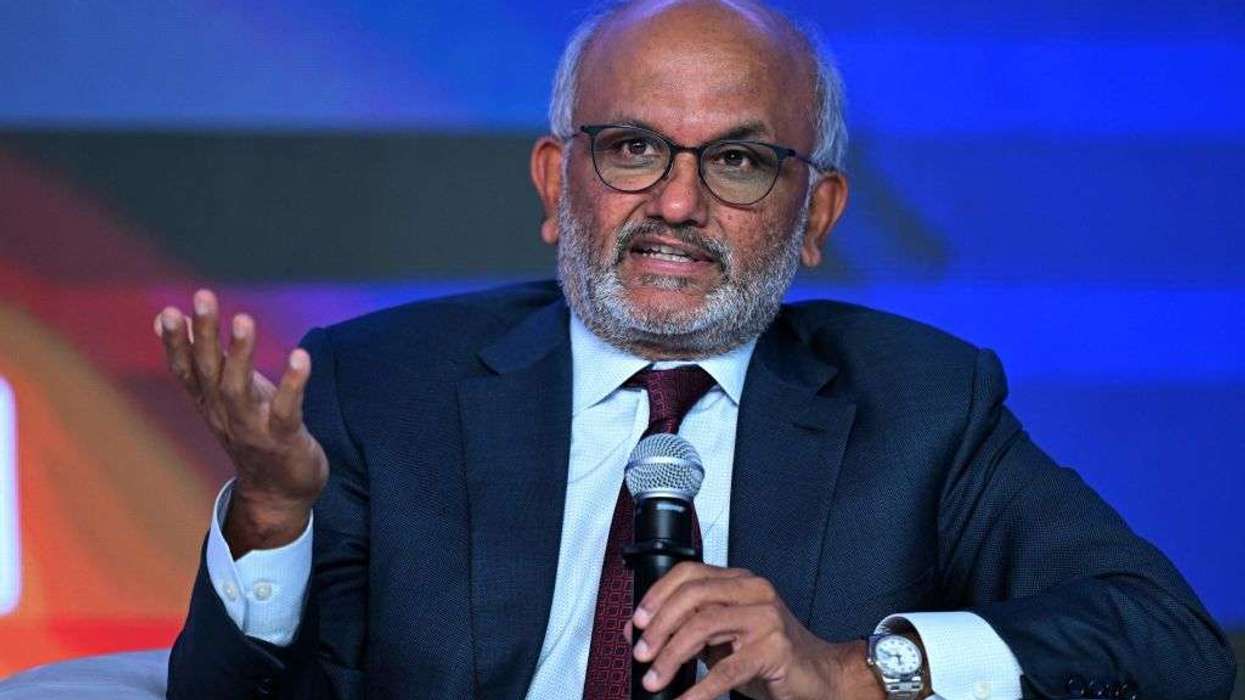
 Shashi Prashad.
For hotel and accommodation businesses, the potential introduction of an overnight visitor levy, or “tourist tax”, is a concern. Local mayors in England now have the power to decide whether to introduce such schemes. This leaves hoteliers with a difficult choice: either pass the cost on to visitors and risk reduced demand, or absorb the cost and take a hit to profitability. It will also create an additional administrative burden to collect and transfer the monies to the authority.
On the personal side, the freezing of tax band thresholds until 2031 was the biggest revenue raiser for the government and will affect everyone, whether business owner or employee. The tax rate on dividends will rise by two per cent from April 2026 for basic and higher rate taxpayers, meaning shareholders in a business will pay more on their returns. The tax rate on savings and property income will also rise for all taxpayers from April 2027.
 Shivani Taparia.
The property or “mansion” tax, which places an additional levy on homes worth £2m or more – starting at £2,500 and rising to £7,500 for properties valued above £7.5m – might also affect some family business owners.
Overall, the budget and the policy announcements have been better than many expected for family enterprises. Businesses in general – not just family firms – are relieved. Now that the taxation roadmap is clear, business leaders can refocus on growth and exploring the opportunities ahead. Many family businesses are already exploring expansion, mergers and acquisitions, and new initiatives, appearing re-energised in the wake of the budget.
 A tractor drives through the streets near Parliament Square in central London on March 3 in support of British farmers Brook Mitchell/AFP via Getty Images
However, despite this renewed confidence, the IHT changes remain a pressing issue for many family and agricultural businesses that still need to address them. Trusted professional advice, open and honest conversations among family members, effective succession planning and decisive action will all be essential. Businesses also need to be aware that HMRC is scrutinising corporate structure changes. Adjusting group structures by setting up a holding company can improve operational efficiency while also being tax effective, but the clearance application process must be robust.
 A mounted guard stands on duty in Whitehall as government tax policy remains under scrutinyBen Stans all/AFP via Getty Images
The confidence and positivity of family business leaders was striking in our Pulse survey this summer1, with 84 per cent optimistic about future prospects. Now that the budget has landed more positively than expected, it will be interesting to see how that sentiment evolves in our full KPE Barometer2.
1 https://kpmg.com/uk/en/insights/strategy/resilient-family-businesses-navigating-challenges.html
2 https://assets.kpmg.com/content/dam/ kpmgsites/uk/pdf/2026/02/barometer-2026.pdf?utm_campaign=KPE-KPE_ B a r o m e t e r _ 2 0 2 6 - 2 2 6 & u t m _ medium=DIR&utm_source=RP
The authors are Jaswinder Gahunia, senior manager in corporate tax; Shivani Taparia, family business tax director; and Shashi Prashad, tax partner and head of family business, advising family enterprises on taxation and succession planning