

Actor Fahadh Faasil's upcoming Malayalam movie Aavesham will be released in theatres countrywide on April 11, 2024.
The actor, known for critically acclaimed titles such as Take Off, Thondimuthalum Driksakshiyum, Malik, and Joji, shared the news in a post on Facebook on Friday.
"AAVESHAM on its way !! Passing on to you from 11 April 2024," Faasil wrote alongside the film's poster.
Set in Bangalore, the film is directed by Jithu Madhavan of Romancham fame and features Fahadh in the role of a local gangster.
According to media reports, Aavesham is set in the same world as Romancham, which was released earlier this year.
Producer Anwar Rasheed's banner, Anwar Rasheed Entertainments, is backing the film, which is co-produced by Faasil's actor-wife Nazriya Nazim through their company Fahadh Faasil and Friends.
Besides Aavesham, Faasil will be next in Pushpa: The Rule, the sequel to the 2021 Allu Arjun-led blockbuster Pushpa: The Rise.
The actor recently joined the cast of megastar Rajinikanth's upcoming movie Vettaiyan, which also includes Amitabh Bachchan, Rana Daggubati, and Manju Warrier.




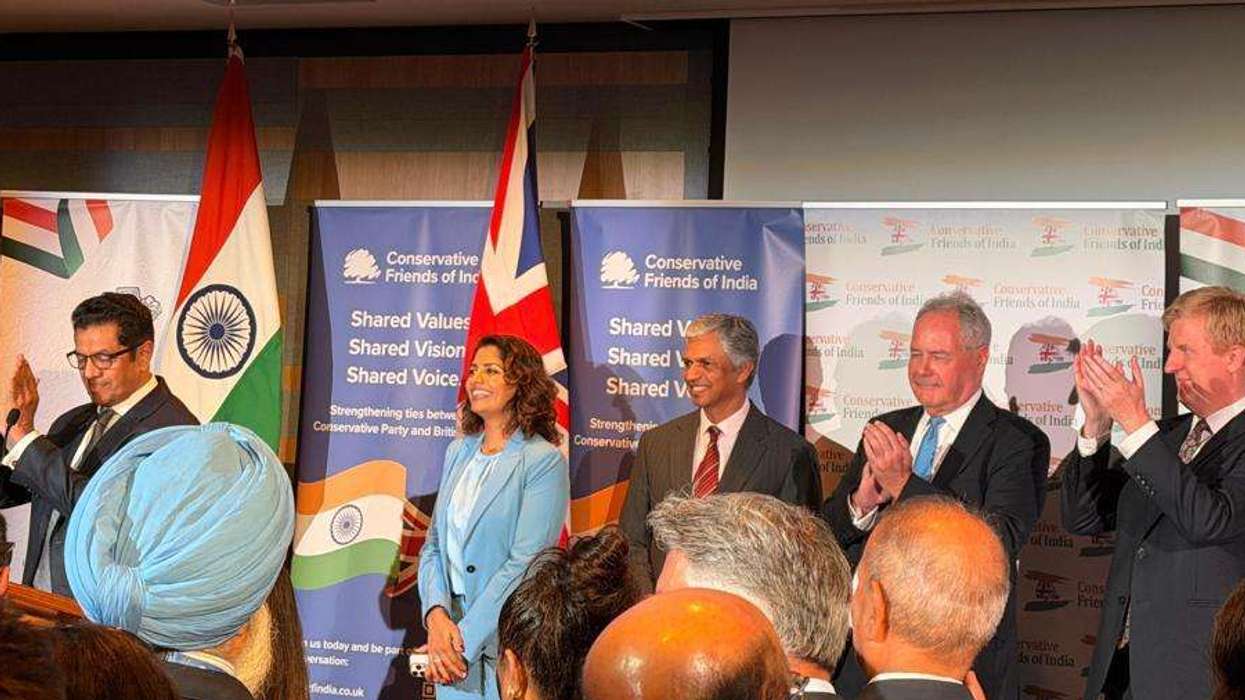
 CFIndia co-chair Dr Koolesh Shah CFIndia
 Nearly 500 attended the Conservative Friends of India event.CFIndia
 CFIndia co-chair Dr Koolesh Shah with Indian High Commissioner to the UK Kumaran PeriasamyCFIndia

